


King & Country · Wehrmacht · WH
Wehrmacht figures and vehicles
Find WH infantry, vehicles and support subjects by their release code. Each illustrated card leads to the corresponding set article where available.

Historical context
The WH range focuses on the German Army, or Heer, during the Second World War. Its subjects extend beyond combat poses to transport, medical care and everyday military work. Uniforms, weapons and equipment help distinguish the early-war setting from later campaigns when planning a display.
From the collection
Featured sets
Different subjects, poses and stories from the collection.
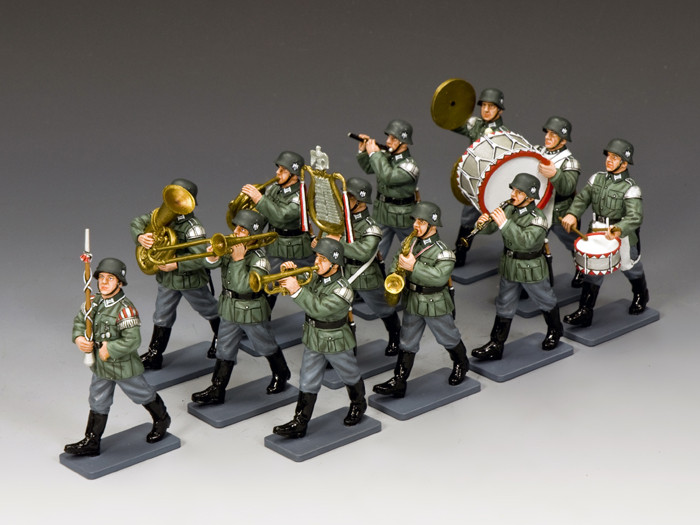
WH · WH013
The 12 Piece Classic Wehrmacht Band
Twelve musicians in field-grey uniforms bring a different rhythm to the WH range. The varied instruments and repeated marching stance make the group work as an ensemble, rather than as a row of identical figures.
Explore this set →WH · WH021
Panzer III Ausf. N
The Panzer III Ausf. N combines a short-barreled gun with protective plates around the turret. A commander in the hatch gives the armored vehicle a focal point above its angular bodywork.
Explore this set →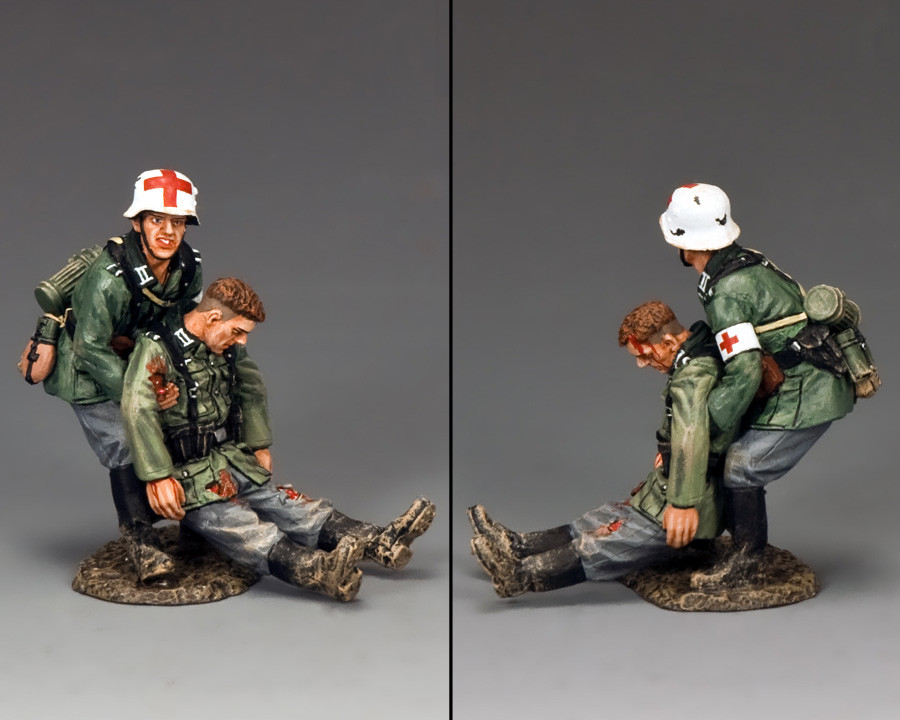
WH · WH002
Medic & Wounded
A medic drags a wounded soldier in a closely linked two-figure composition. Their connected poses make the rescue action clear without needing a vehicle or a larger group around them.
Explore this set →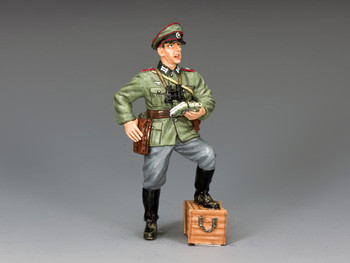
WH · WH063
Artillery Officer
With one foot resting on a crate and a document held open, this officer belongs beside a gun position or command group. The pose adds a moment of consultation to an artillery scene.
Explore this set →The collection
Wehrmacht set catalog
Browse the sets by code and photograph. Set numbers are not a continuous sequence, and separately coded variants have their own entries. Linked entries open the full article; more articles and release records are being added as this fan catalog grows.
110 sets
No sets match your search. Try another name or set code.
WH001–WH100
 SGS-WH012Wehrmacht Transport Set
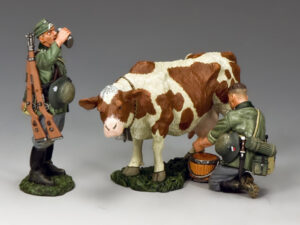 WH001Fresh Milk Today!
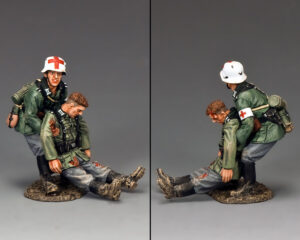 WH002Medic & Wounded
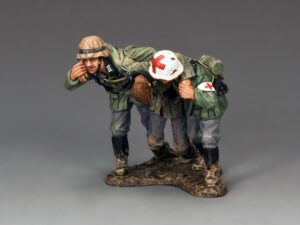 WH003Out of Danger!
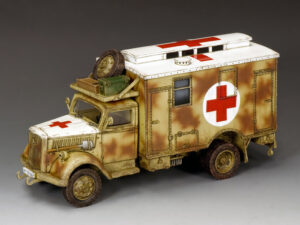 WH004Opel Blitz Ambulance (Camouflage)
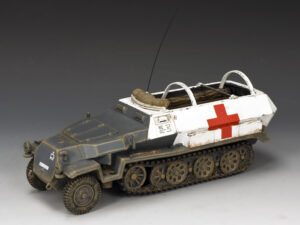 WH005Sd.Kfz251 Armoured Ambulance
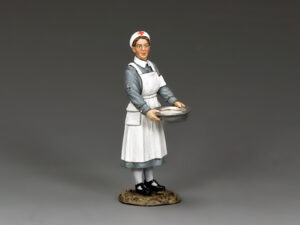 WH006Nurse with Basin
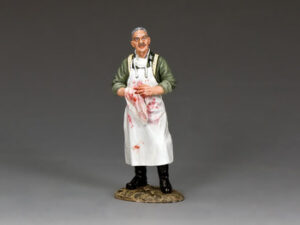 WH007The Surgeon
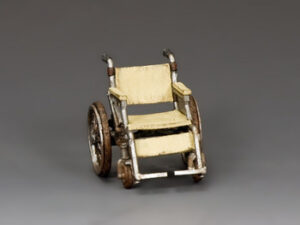 WH008The Wheelchair
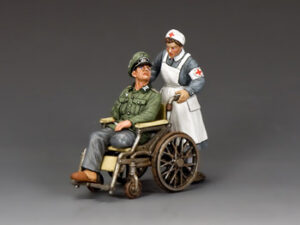 WH009Disabled Officer and Nurse
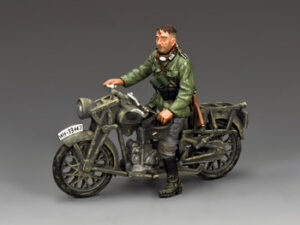 WH011Dispatch Rider
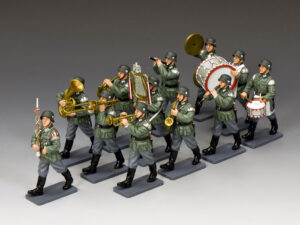 WH013The 12 Piece Classic Wehrmacht Band
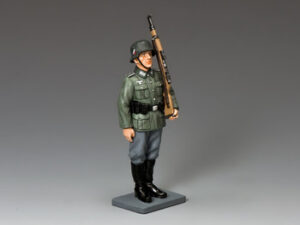 WH014At Attention
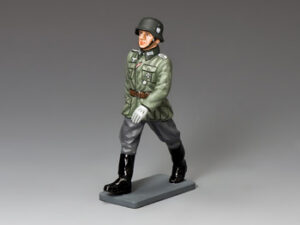 WH015Marching Officer
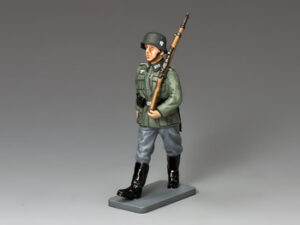 WH016Marching Rifleman
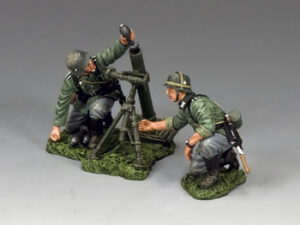 WH017Wehrmacht Mortar Team
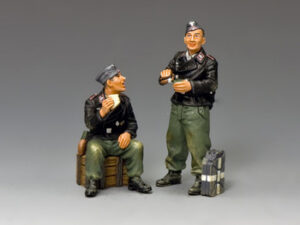 WH018-BDismounted Armoured Vehicle Crewmen in Black
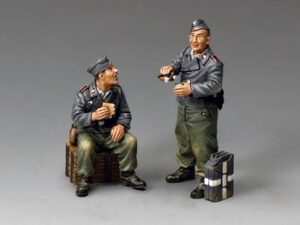 WH018-GDismounted Armoured Vehicle Crewmen in Feldgrau
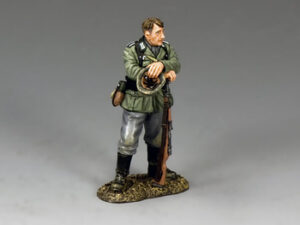 WH019Take a Breather
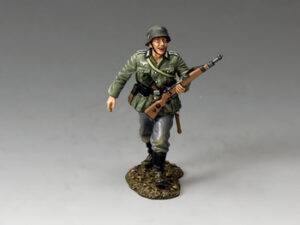 WH020Happy
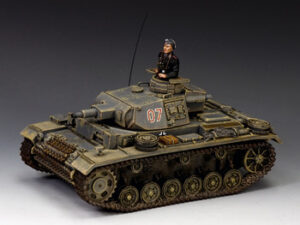 WH021Panzer III Ausf. N
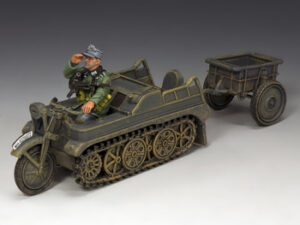 WH023Kettenkrad and Trailer
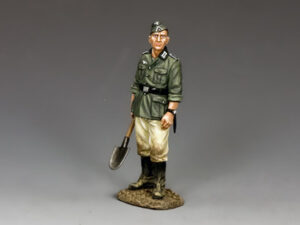 WH024Standing Engineer
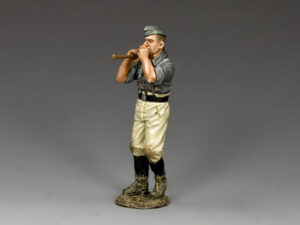 WH025Engineer with Pickaxe
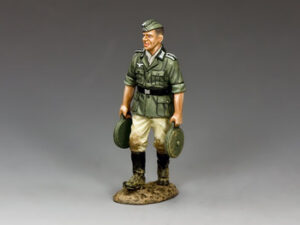 WH026Engineer with Land Mines
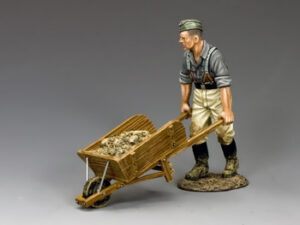 WH027Engineer with Wheelbarrow
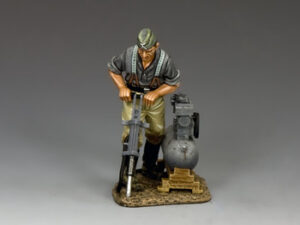 WH028Engineer with Drill
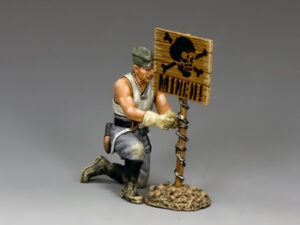 WH029Kneeling Engineer
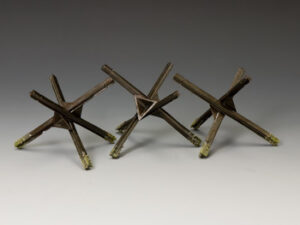 WH030Beach Obstacles
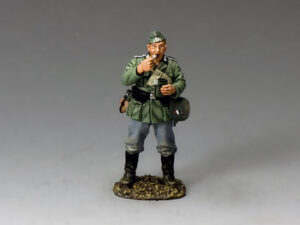 WH031Eat When You Can
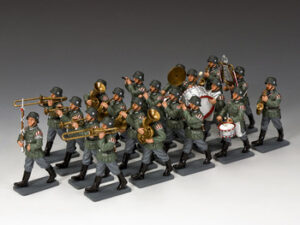 WH032The 20-Piece Classic Wehrmacht Band
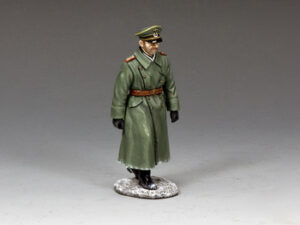 WH034Field Marshal Friedrich Paulus
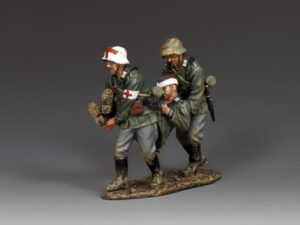 WH035Battlefield Rescue
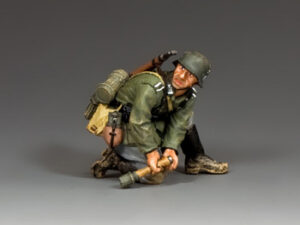 WH036Kneeling Grenadier
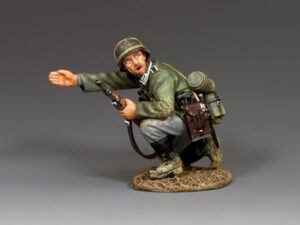 WH037This Way Lads
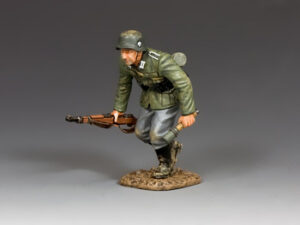 WH038Running Rifleman Grenadier
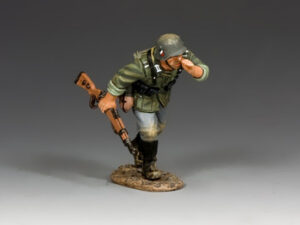 WH039Running and Shouting
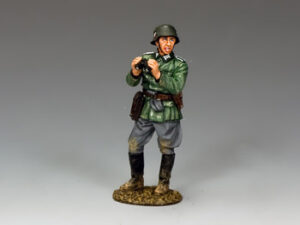 WH040Officer with Binoculars
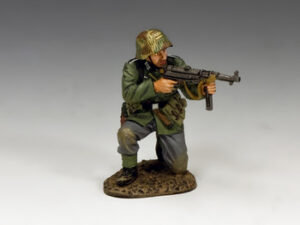 WH041Kneeling with MP40
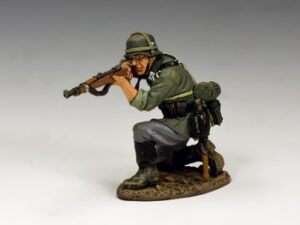 WH042Kneeling Firing Rifleman
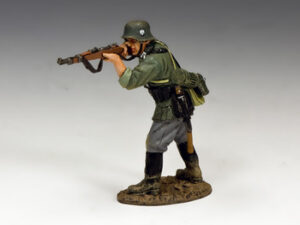 WH043Standing Firing Rifleman
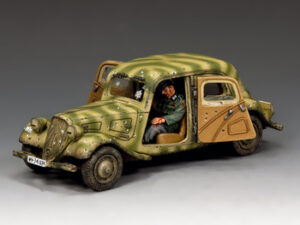 WH044Arnhem Ambush
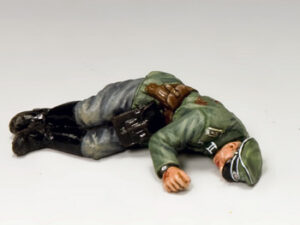 WH045Dead German Officer
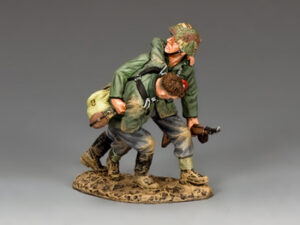 WH046Battlefield Rescue
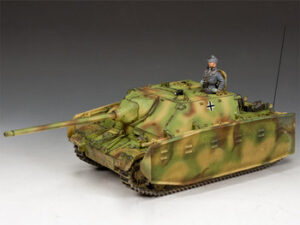 WH047Jagdpanzer IV L/70
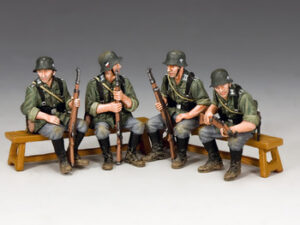 WH048Wehrmacht Sitting Soldiers
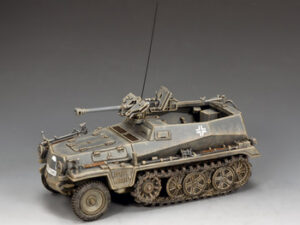 WH049Sd.Kfz. 250/11 Panzerbüchse 41
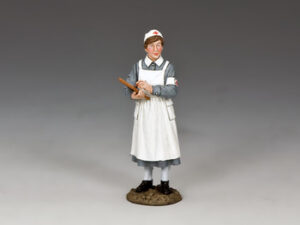 WH055Nurse Taking Notes
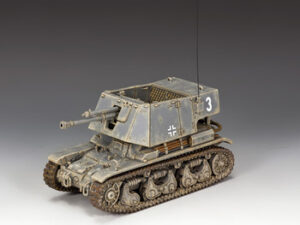 WH05635R(F) Self-Propelled Gun
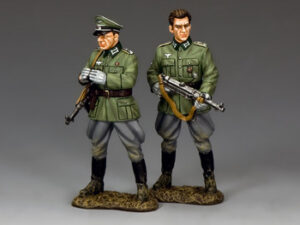 WH057Where Vultures Fly
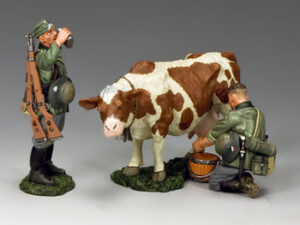 WH058Fresh Milk Today
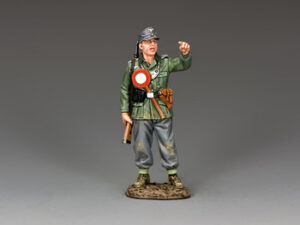 WH059German Military Policeman
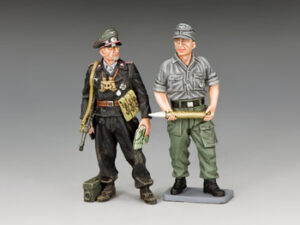 WH060SPG Crew Members
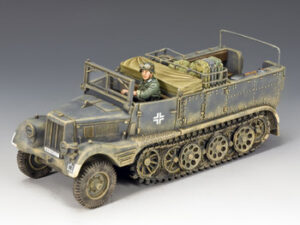 WH061Sd.Kfz. 11 Special Tracked Transport
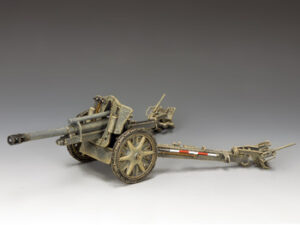 WH06210.5cm Light Field Howitzer
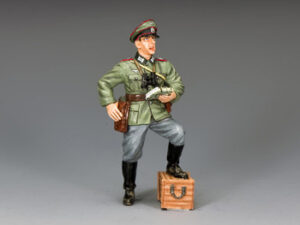 WH063Artillery Officer
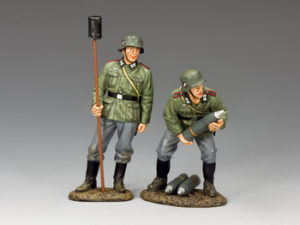 WH064Gun Crew No. 1
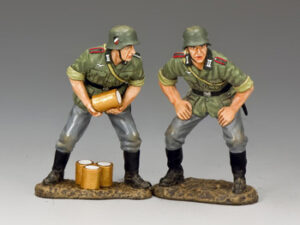 WH065Gun Crew No. 2
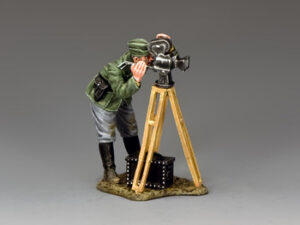 WH066Propaganda-Kompanie Cameraman
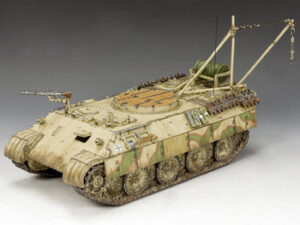 WH067Bergepanther
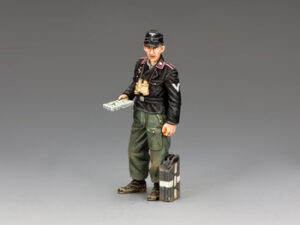 WH068Tank Repair Commander
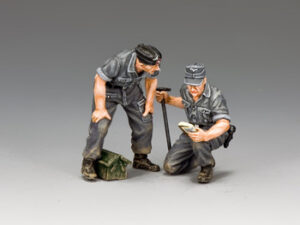 WH069Tank Repair Crew
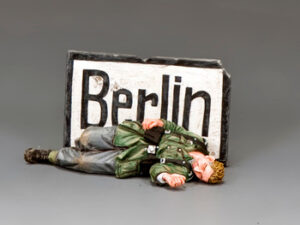 WH072Death in Berlin
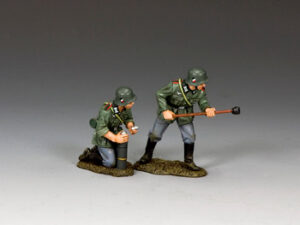 WH073Additional Artillery Crew No. 3
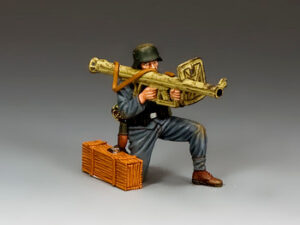 WH075Kneeling Panzerschreck Grenadier
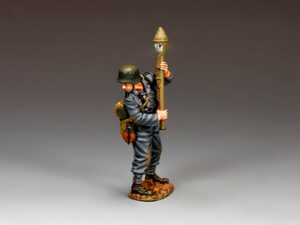 WH076Standing Ready with Panzerfaust
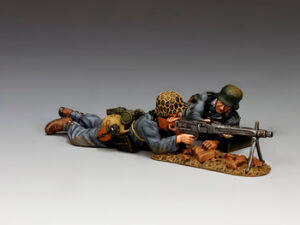 WH077Machine Gun Team
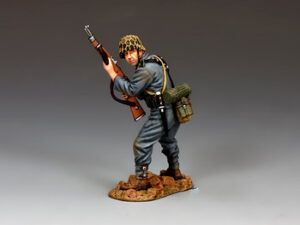 WH078Standing Ready Panzer Grenadier
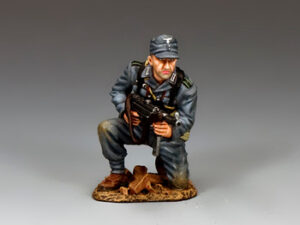 WH079Kneeling Panzer Grenadier with MP40
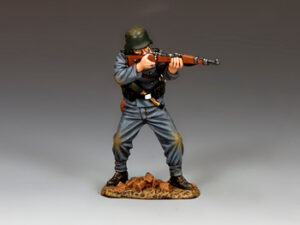 WH080Standing Firing Panzer Grenadier
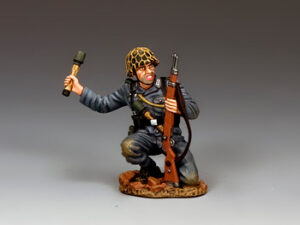 WH081Kneeling Panzer Grenadier
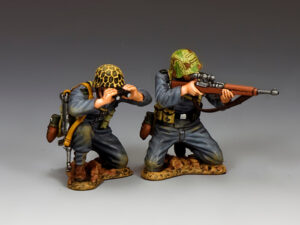 WH082The Sniper Team
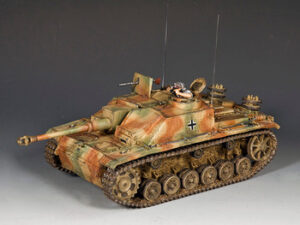 WH083Sturmgeschütz III Ausf. G
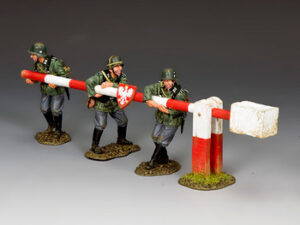 WH084Breaking the Barrier
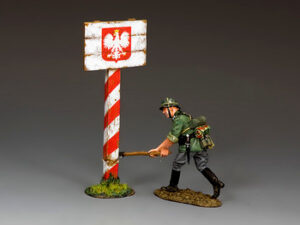 WH086Cutting Down the Polish Road Sign
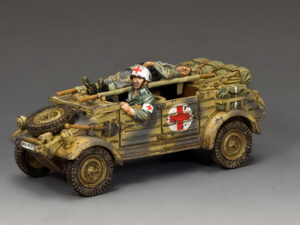 WH087Ambulance Kübelwagen, Mid-to-Late War
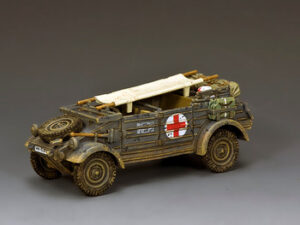 WH088Feldgrau Kübelwagen Ambulance
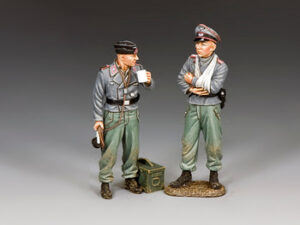 WH089Dismounted Assault Gun Crew No. 1
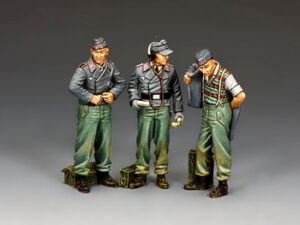 WH090Dismounted Assault Gun Crew No. 2
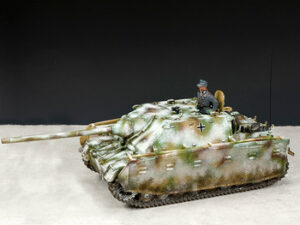 WH091Jagdpanzer IV L/70, Winter Version
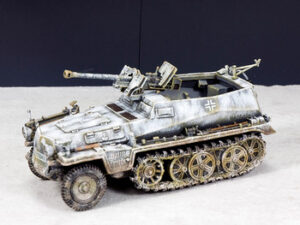 WH092Sd.Kfz. 250/11, Winter Version
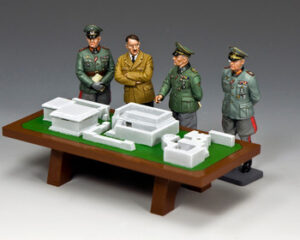 WH093Hitler, His Generals and the Atlantic Wall
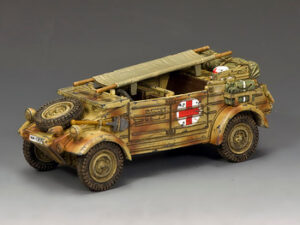 WH094Afrika Korps Kübelwagen Ambulance
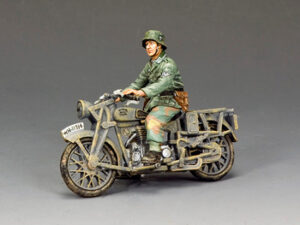 WH096The Normandy Dispatch Rider
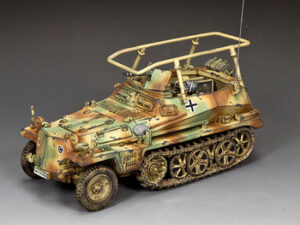 WH098Panzer Lehr Command Vehicle
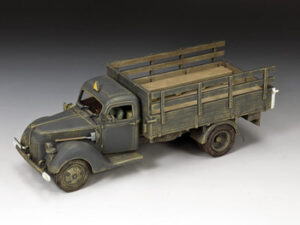 WH099Fordwerke V3000 Truck
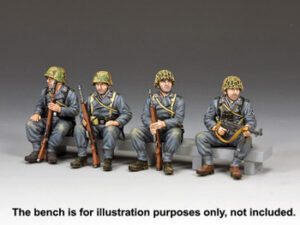 WH100Sitting Panzer Grenadiers
WH101–WH200
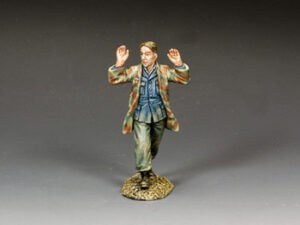 WH101Fallschirmjäger—Hände Hoch
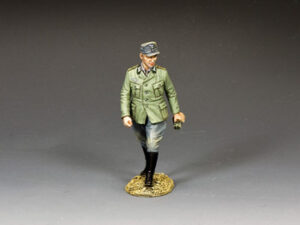 WH102For You Fritz, the War Is Over
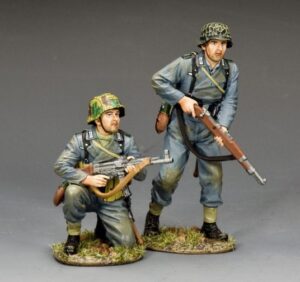 WH103The Scouts
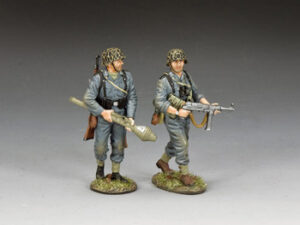 WH104The Squad Leader Set
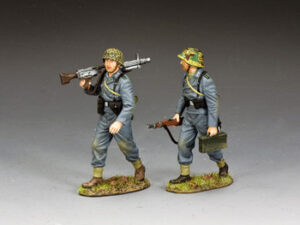 WH105The MG42 Gun Team
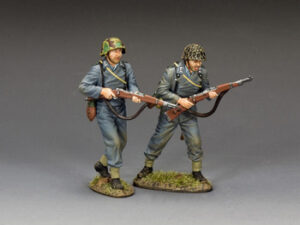 WH106Extra Escort
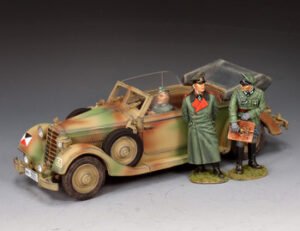 WH107Rommel’s Staff Car, Normandy
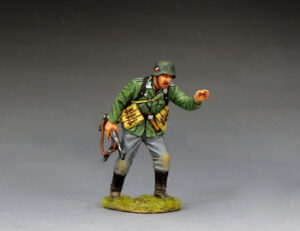 WH117Classic Wehrmacht NCO Indicating
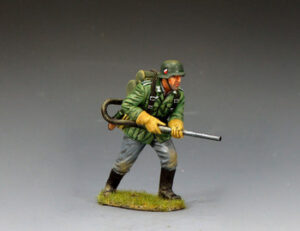 WH118Advancing Pioneer with Flammenwerfer 41
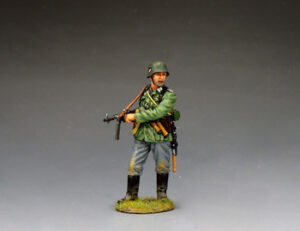 WH119Sergeant with MP40
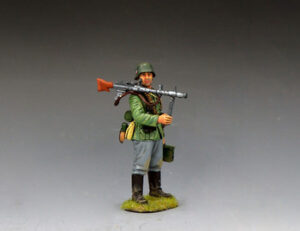 WH120Standing MG34 Gunner
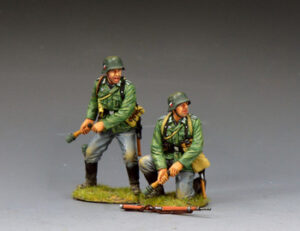 WH121Grenadiers in Action
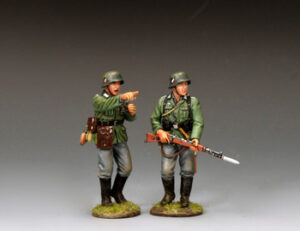 WH122Look Over There
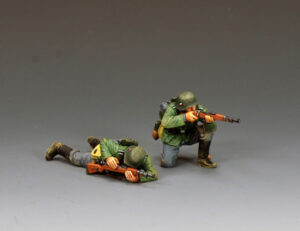 WH123Riflemen in Action
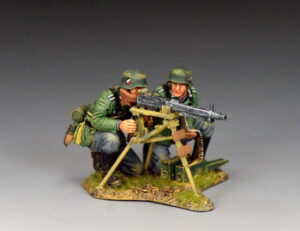 WH124MG42 Gun Team
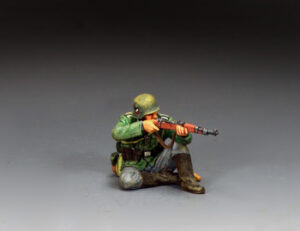 WH125Riflemen Sitting Firing #1
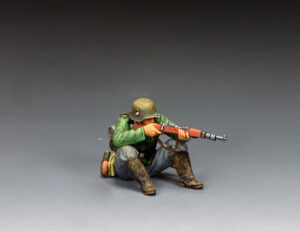 WH126Riflemen Sitting Firing #2
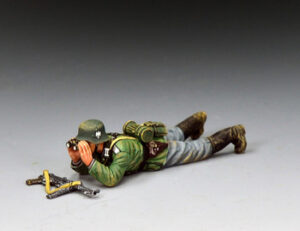 WH127Lying Prone Wehrmacht Officer
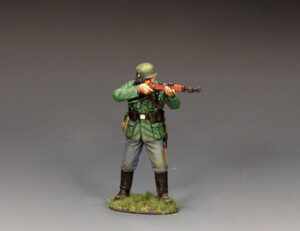 WH131Standing Shooting Rifleman
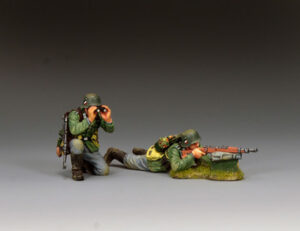 WH132The Sniping Team
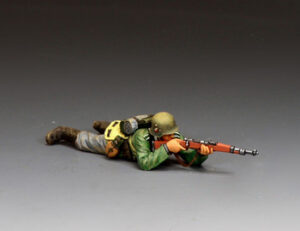 WH133Lying Prone Rifleman
Special releases
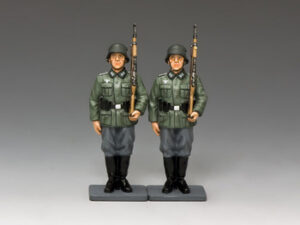
The WH range · Historical background
About the WH range
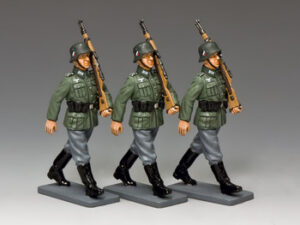
WH brings together German infantry, armoured vehicles, gun crews, engineers and medical subjects in King & Country’s 1:30 scale range. A marching rifleman, a tracked gun tractor and a nurse taking notes each show a different part of an army’s work. The collection also includes military bands and named commanders.
The subjects primarily represent the Heer, the German Army. “Wehrmacht” was the broader name for Nazi Germany’s armed forces, including its navy and air force. WH releases cover different stages of the war, so the equipment and uniform of each set matter when placing it in a particular campaign.
Infantry on the march and in action
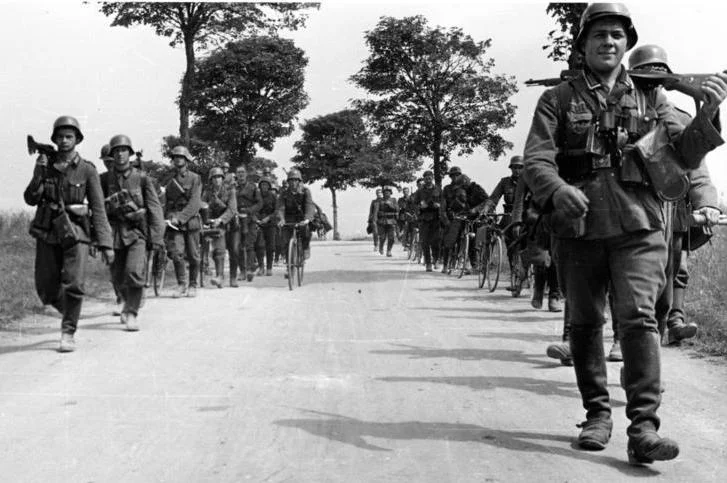
The June 1940 photograph shows men carrying rifles and equipment along a road in France. Their straps, rolled kit and the spacing between them give a useful comparison for the WH marching figures. The image was made by a German propaganda-company photographer, whose job included presenting the army’s advance to an audience at home.
The fighting subjects cover several jobs within an infantry unit. Riflemen load, fire or move forward; an NCO points out a direction; a machine-gun crew works around its weapon. Sets such as WH017’s mortar team and WH105’s MG42 team show why these weapons appear with crews. The separate poses let the viewer follow who is handling the weapon and who is supporting its operation.

Guns, vehicles and transport
The WH vehicles include tanks, assault guns, trucks, ambulances and small utility vehicles. Their roles differ: the Panzer III has a rotating turret, while the StuG III carries its main gun in a fixed fighting compartment. WH061’s tracked transport and WH062’s field howitzer belong together as examples of moving a towed gun and putting it into action.
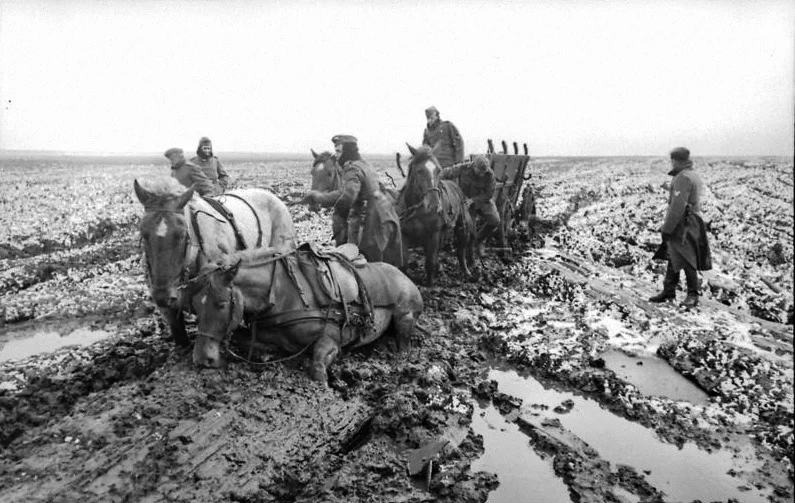
Motor vehicles were only part of the historical picture. The German army continued to depend heavily on horses for transport. In this March 1942 photograph near Kursk, a team struggles in deep mud with a wagon behind it. The scene shows the road conditions that complicated moving ammunition, food and equipment. The Bundesarchiv’s history of army horses explains their continuing importance even as mechanised formations expanded.

Engineers and medical care
The engineer figures carry tools and materials for work around roads, positions and obstacles. A pickaxe, wheelbarrow or drill gives each man a specific task. Alongside them, the medical releases cover aid to wounded soldiers, evacuation, surgery and nursing. The range includes both battlefield pairs and figures suited to a treatment station or hospital.
These subjects are particularly easy to overlook in a catalog dominated by weapons and vehicles. Looking at them together makes the sequence clearer: men prepare and maintain positions, casualties receive help, and transport carries the wounded onward for further care.
WH027 Engineer with Wheelbarrow
The wheelbarrow gives this engineer a carrying job within a work party.
WH002 Medic & Wounded
The medic and casualty depict immediate assistance to a wounded man.
WH055 Nurse Taking Notes
The nurse’s notes introduce the record-keeping that accompanied patient care.
The historical setting
The road column in France and the horse team near Kursk record different campaigns and conditions. The model range extends further still: its later-war anti-tank weapons, winter vehicles and Normandy subjects belong to their own settings. A field-grey uniform by itself does not date a figure, and a winter finish does not identify one particular battle.
The army’s military record also includes its participation in Nazi crimes. Wehrmacht units supported mass murder in occupied Soviet territory and took part in killings themselves. The United States Holocaust Memorial Museum’s account documents that involvement. This history belongs alongside the study of the uniforms, weapons and vehicles represented here.
Before buying a Wehrmacht set
Use the Operation ToyBox Companion collector guides to turn a catalog match into a better-informed listing comparison.
- Identify the maker, complete model code and pose
- Check figures, accessories, condition and packaging before buying
- Read individual set identification notes and source evidence
These general buying guides include examples from several King & Country series. They do not certify the contents or condition of a seller’s individual item.