

King & Country · RTA · Texas Revolution
Remember the Alamo figures
Explore the Mexican soldiers, Texian and Tejano participants, artillery and buildings in King & Country’s RTA range. Each illustrated entry connects an identifiable release with the history behind its subject and practical details to check when buying or displaying it.
Historical overview
The Alamo siege took place from February 23 to March 6, 1836, during the Texas Revolution. Mexican forces under Santa Anna captured the position; Texas declared independence during the siege, and Houston’s army won at San Jacinto on April 21. These events belong to the 1835–36 revolution, a decade before the Mexican-American War. The Alamo’s battle and revolution timeline places the siege in that wider sequence.
The RTA prefix also includes figures whose stories extend beyond the final assault. Houston was not inside the Alamo, and Seguín left as a courier. A collection can include them together while using labels and groupings to preserve those distinctions.
From the collection
Featured sets
Different subjects, poses and stories from the collection.
RTA · RTA015
Davy Crockett of Tennessee
A bareheaded Crockett holds his long gun across his body in a restrained standing pose. The figure works as an individual portrait or as one participant among the Alamo’s defenders.
Explore this set →RTA · RTA019
Colonel William B. Travis
Travis crouches with a sword in hand, creating a lower and more active silhouette than a standing command figure. The pose places him close to the action around a defended position.
Explore this set →RTA · RTA032
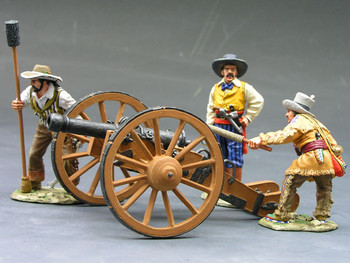
Texian Artillery Set
Three men work around a cannon on a wooden-wheeled carriage. Their different poses make the shared task readable and give the defenders a focal point beyond individual riflemen.
Explore this set →RTA · RTA092
The New Alamo Façade
The decorated entrance and rough upper edge give this Alamo façade its familiar outline. Its shallow form provides an architectural backdrop for figures without requiring a model of the entire compound.
Explore this set →Illustrated set index
Remember the Alamo Set Catalog
Select a code for set photographs, historical context, original contents and details to inspect on a secondhand example.
32 sets
No sets match your search. Try another name or set code.
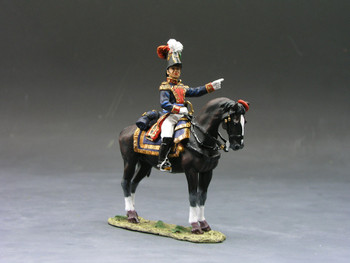 RTA001General Santa Anna
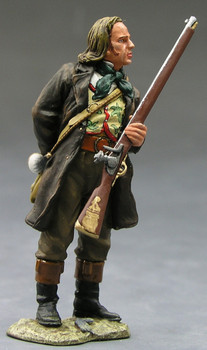 RTA015Davy Crockett of Tennessee
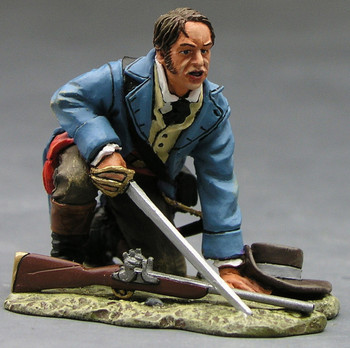 RTA019Colonel William B. Travis
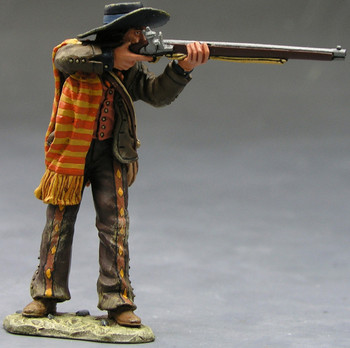 RTA023Juan Seguin of TexasRTA032Texian Artillery Set
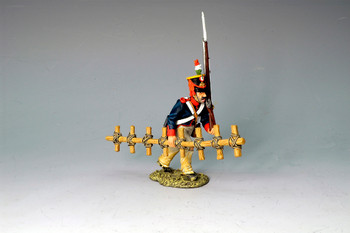 RTA036Mexican Soldier Running with Ladder
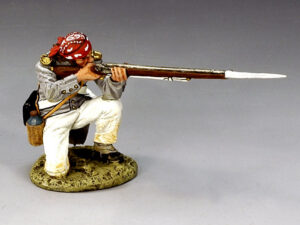 RTA045Henry Thomas
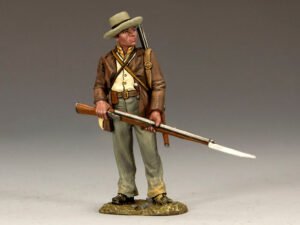 RTA055Joe
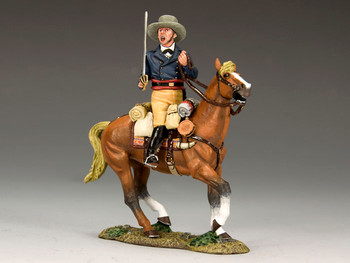 RTA056General Sam Houston
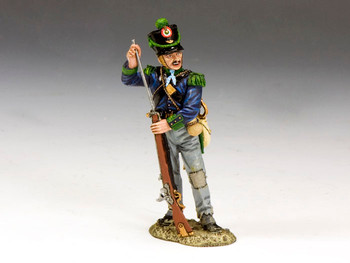 RTA063Cazadores with Ramrod
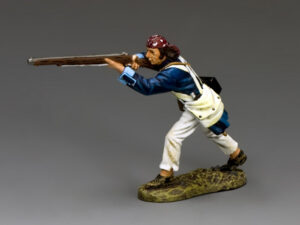 RTA086Advancing Firing
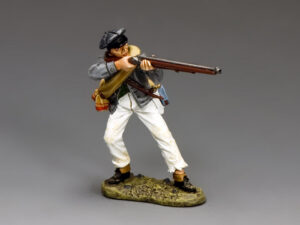 RTA087Firing New Orleans Grey
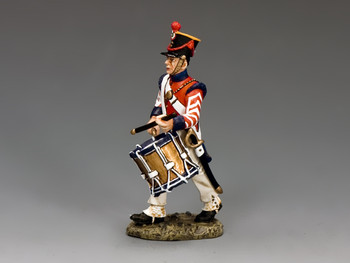 RTA090Mexican Drummer
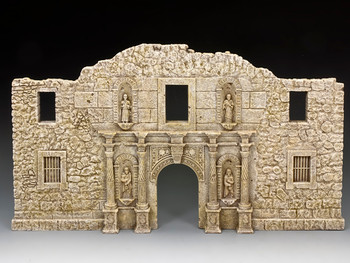 RTA092The New Alamo Façade
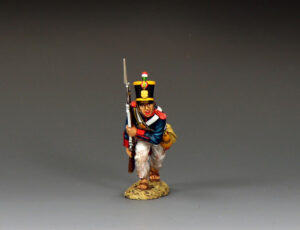 RTA124Santa Anna’s Infantry ‘Soldier Advancing Forward’
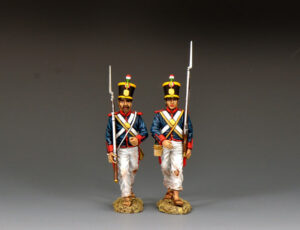 RTA125Santa Anna’s Infantry ‘Marching to Battle’ Set A
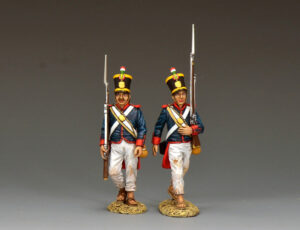 RTA126Santa Anna’s Infantry ‘Marching to Battle’ Set B
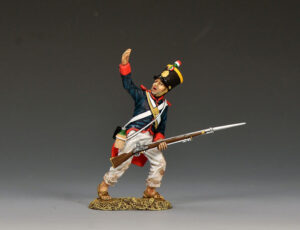 RTA128Santa Anna’s Shouting Soldier
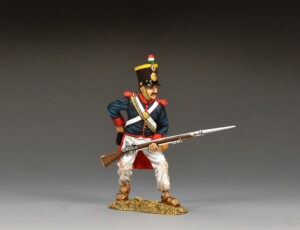 RTA129Santa Anna’s Soldier reaching for a fresh cartridge
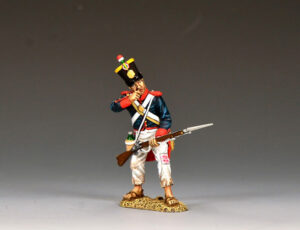 RTA130Santa Anna’s Soldier biting open a fresh cartridge
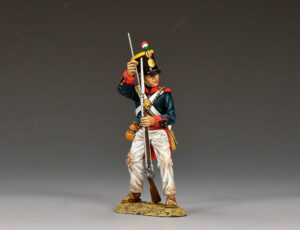 RTA131Santa Anna’s Soldier using his Ramrod
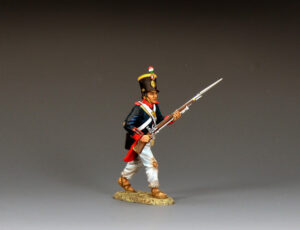 RTA133Santa Anna’s Army Soldier Charging Forward
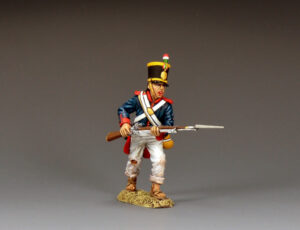 RTA134Santa Anna’s Infantry ‘Soldier Advancing’
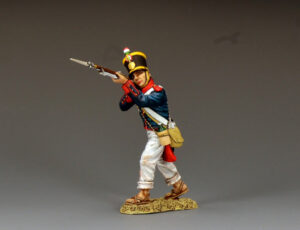 RTA136Santa Anna’s Infantry ‘Soldier Shooting Upwards’
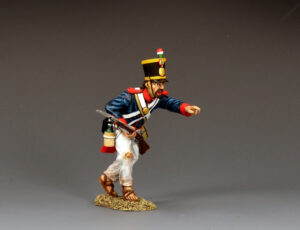 RTA137Santa Anna’s Infantry Soldier Pointing Forward
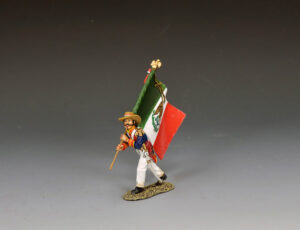 RTA138Mexican Army Flagbearer
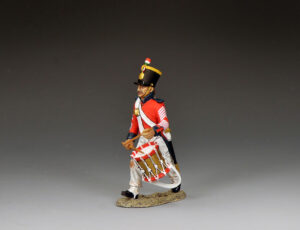 RTA139Santa Anna’s Infantry ‘Drummer Advancing’
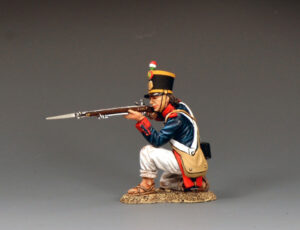 RTA140Santa Anna’s Infantry ‘Kneeling Soldier Firing to the Front!’
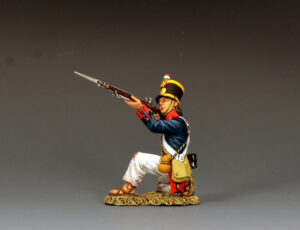 RTA141Santa Anna’s Infantry ‘Kneeling Soldier Firing Upwards’
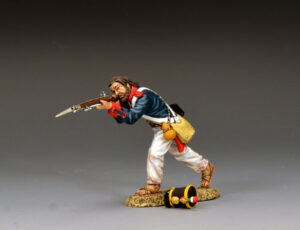 RTA142Santa Anna’s Army Soldier Advancing Firing
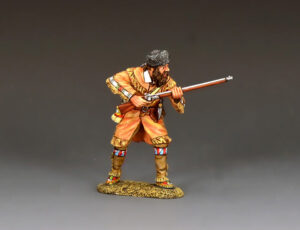 RTA152Backwoods Rifleman
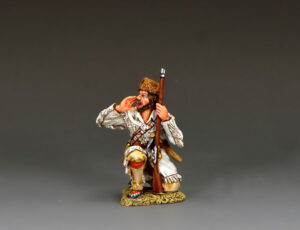 RTA153The Shouting Sentry
Historical images · RTA
The Alamo in portraits and paintings
The RTA figures draw on people and events from 1836. These later prints show how Crockett and the fighting at the Alamo were pictured in the decades that followed.
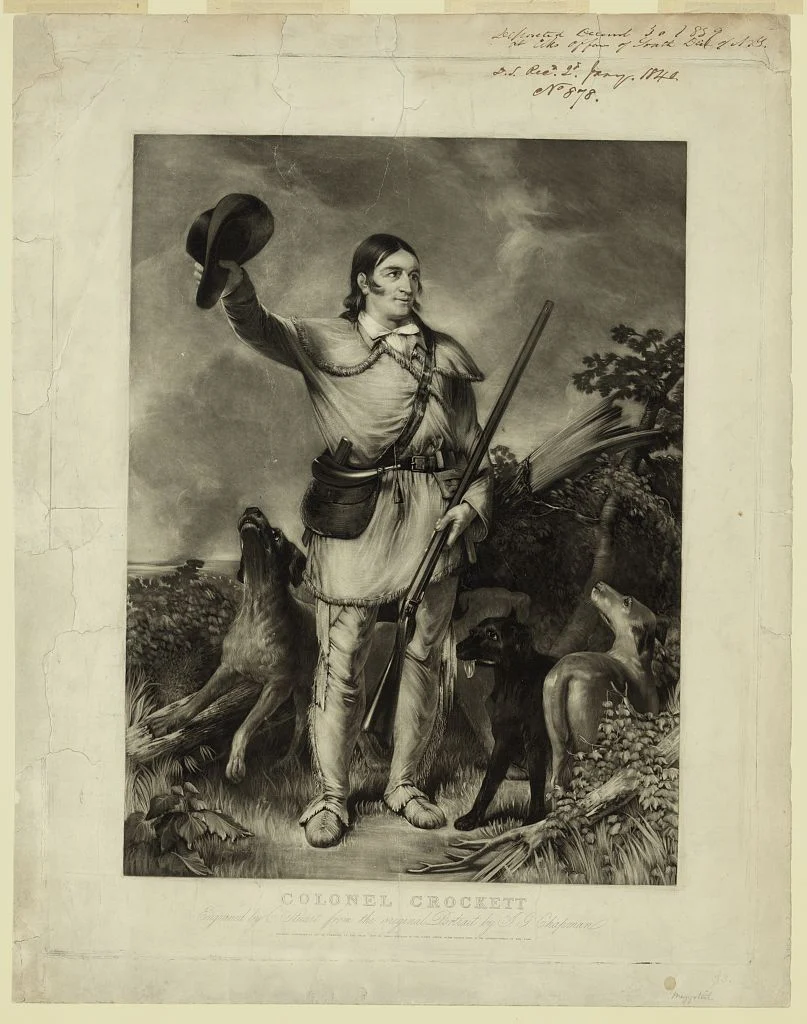
Crockett’s familiar rifle and cap
C. Stuart’s engraving presents Crockett outdoors with a long rifle, a fur cap raised in his hand and hunting dogs at his feet. Those familiar attributes also identify RTA015. The print appeared in 1839, three years after Crockett’s death, and shows the public image associated with him rather than his precise appearance during the siege.
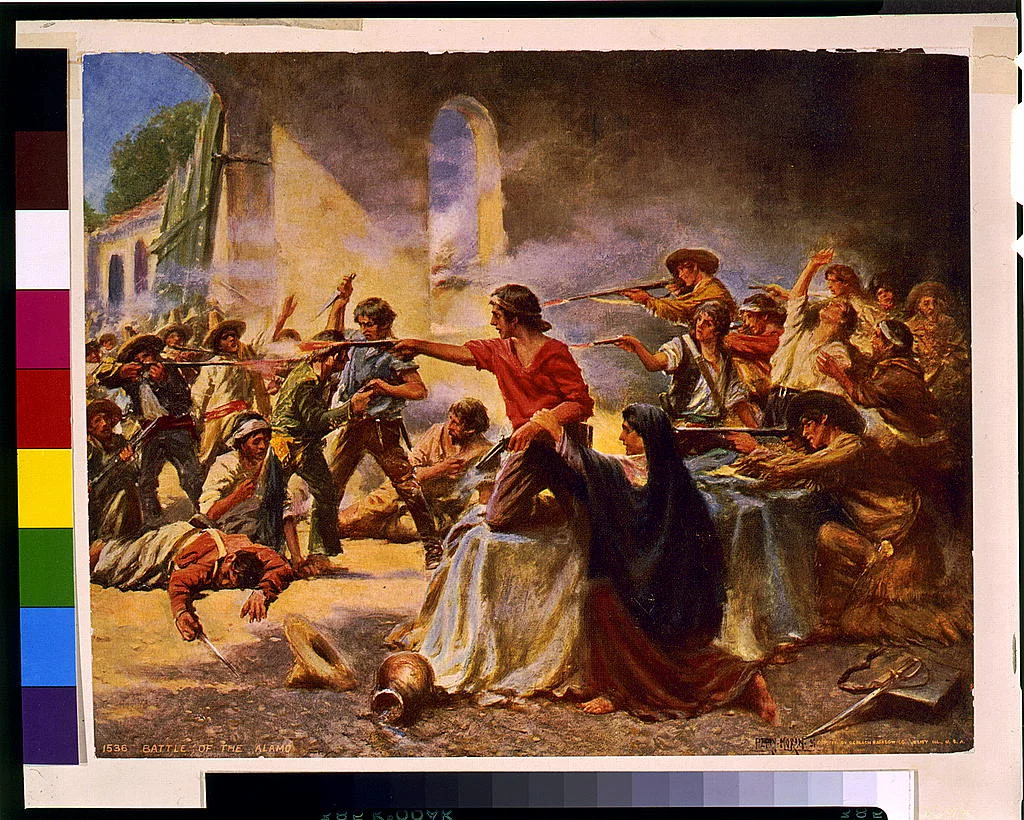
How artists pictured the fighting
Percy Moran places the combat close to the walls, with defenders and attackers crowded into a small space. The picture offers a comparison for the ladders, long firearms and close fighting represented across RTA subjects. This reproduction dates to 1912; its composition is an artist’s reconstruction of the 1836 battle.
About the range
Commanders and soldiers in the RTA range
The named figures open a biographical route through the range. RTA015 Crockett introduces the difference between celebrity and military command. RTA019 Travis connects to a surviving written appeal. RTA023 Seguín makes Tejano participation visible and carries the story beyond the siege. RTA001 Santa Anna and RTA056 Houston can anchor a broader campaign display, with separate labels explaining where their paths fit.
The rank-and-file subjects supply another route. RTA036’s ladder is about reaching an obstacle; RTA063’s ramrod catches the interval between shots; RTA090’s drum points toward military communication. RTA032 brings several people together around a field gun. These distinct activities make a more informative scene than a shelf where every figure seems to be firing at the same instant.
Identifying RTA sets
Search with the full RTA code and compare the pose. “Crocket” appears in the preserved RTA015 listing, although the historical name is Crockett; “Seguin” often appears without its accent. A loose figure may be correctly identifiable even when a seller’s spelling is poor. Conversely, a familiar name alone does not prove that a listing contains the release shown here.
Completeness is specific to the set. RTA032 has three crewmen and a gun. RTA063 needs its ramrod for the pose to make sense. RTA036’s ladder rails and rungs deserve close inspection. For the façade, ask for the back and edges as well as the decorated front. Compare shipping and any missing or repaired parts before deciding which offer represents better value.
Historical sources for the Alamo figures
The Travis letter at the Texas State Library provides a contemporary document to accompany the commander. The Alamo’s Crockett research clarifies his position among the volunteers. The Texas State Historical Association’s Seguín biography follows a life that continued through the Republic of Texas and beyond.
These references let a collection tell specific stories without treating later legends, painted costume details or a manufacturer’s chosen pose as proof of an exact historical moment.
Alamo sets on OTB Companion
OTB Companion’s near-complete King & Country catalog helps you recognize unfamiliar releases and compare available offers. Matching a loosely described figure to its code can reveal an overlooked set; checking the pictured contents can also expose a supposedly cheap listing that is incomplete. Use that information to spend less on the right additions and grow your collection with fewer mistaken purchases.