
King & Country NA003: 71st Standing Firing
The long, level musket gives NA003 its shape. This is the instant after a soldier has brought his weapon to the shoulder, with the red coat and pale trousers framing a very deliberate firing stance.

Step into the Napoleonic era with finely detailed model soldiers and miniatures. From Highland regiments to French infantry, these figures capture the epic battles and uniforms of the early 19th century, perfect for collectors and diorama builders.

The long, level musket gives NA003 its shape. This is the instant after a soldier has brought his weapon to the shoulder, with the red coat and pale trousers framing a very deliberate firing stance.
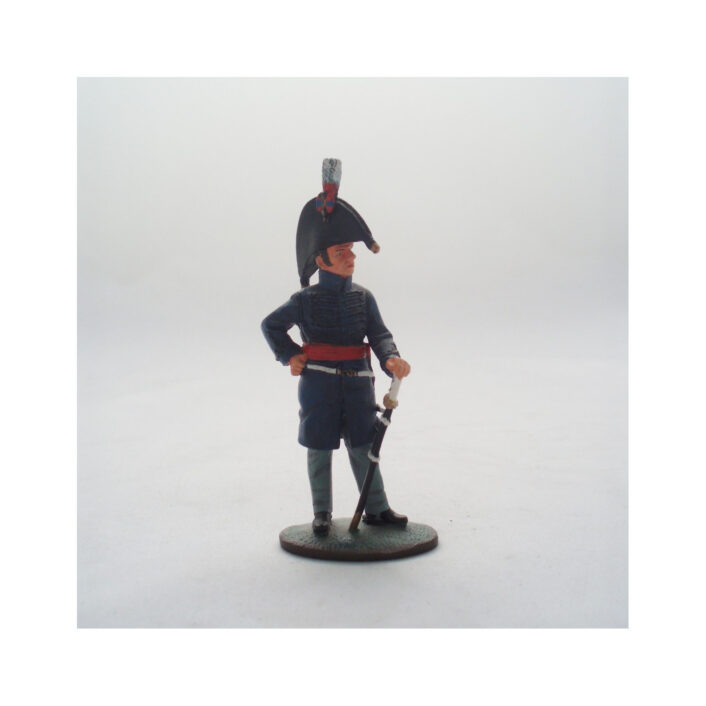
Beresford’s richly braided uniform makes an imposing standing portrait. The more useful story is his work with the Portuguese Army and the difficult coalition command represented by the year 1811.
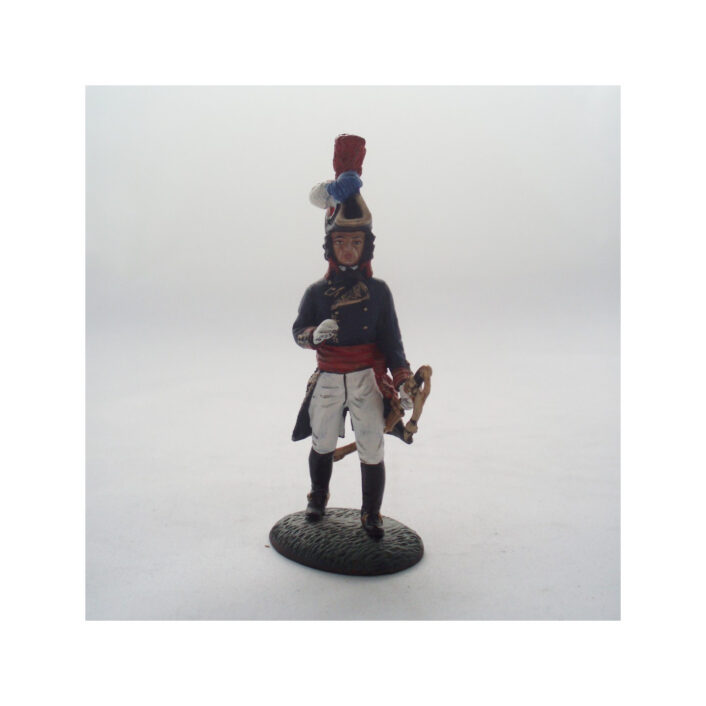
The gold-trimmed coat and high plume give Desaix a commanding presence, but the date carries the central story. He died at Marengo on 14 June 1800, during the fighting that helped secure Bonaparte’s victory.
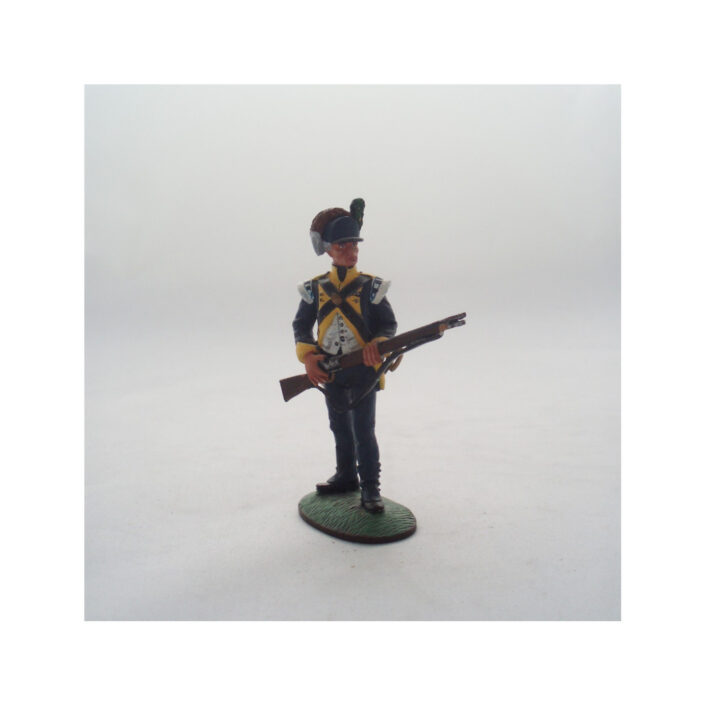
The crested helmet, dark blue clothing and short firearm make this York Rangers figure look different from the later green riflemen. Its 1796 date is the starting point for identification, not a licence to attach any unit history containing the words York and Rangers.
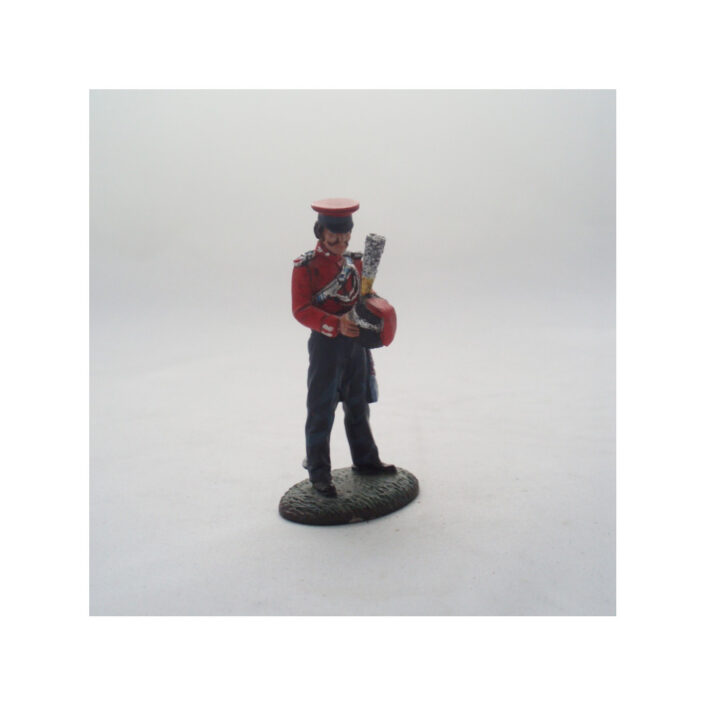
The red coat and silver-coloured braiding make this Cossack officer a formal portrait rather than a ragged raider. The Life Guard identification is essential: it places the figure in a particular institutional setting within Russian service.
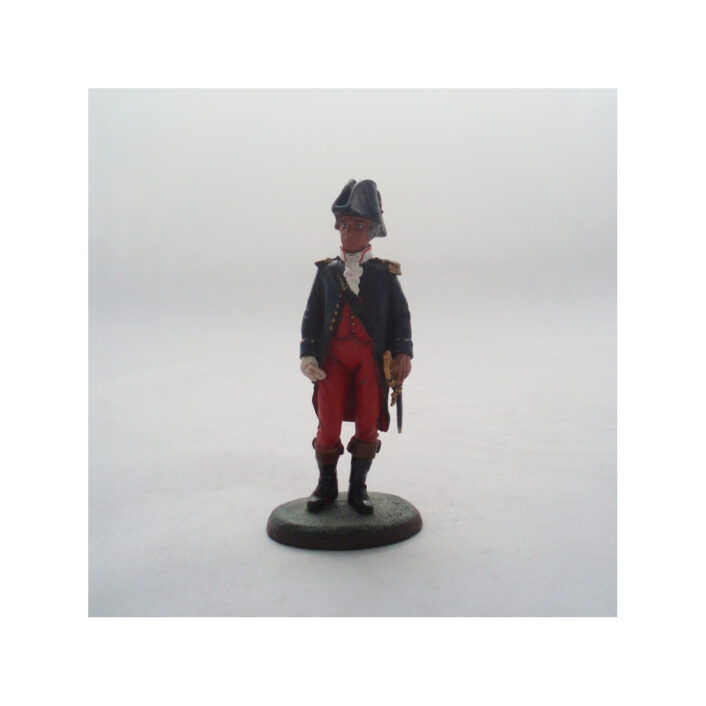
The dark blue coat, red waistcoat and trousers, and cocked hat give this naval officer a formal eighteenth-century appearance. He is a reminder that Del Prado’s Napoleonic collection also reaches into the revolutionary years that preceded Napoleon’s empire.
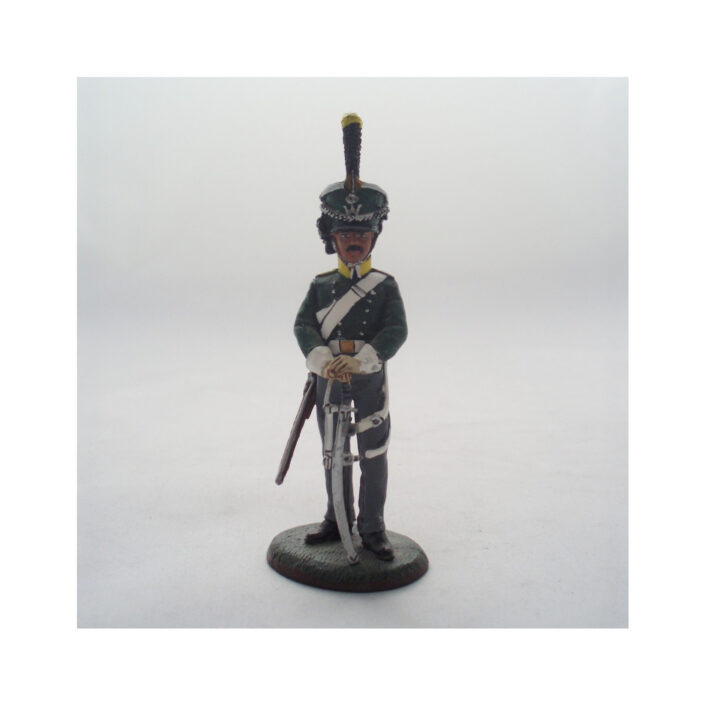
The green uniform and sabre identify a light-cavalry subject, but the date raises the most interesting question. In 1815, Belgian troops belonged to a political arrangement different from the independent Belgium of later history.
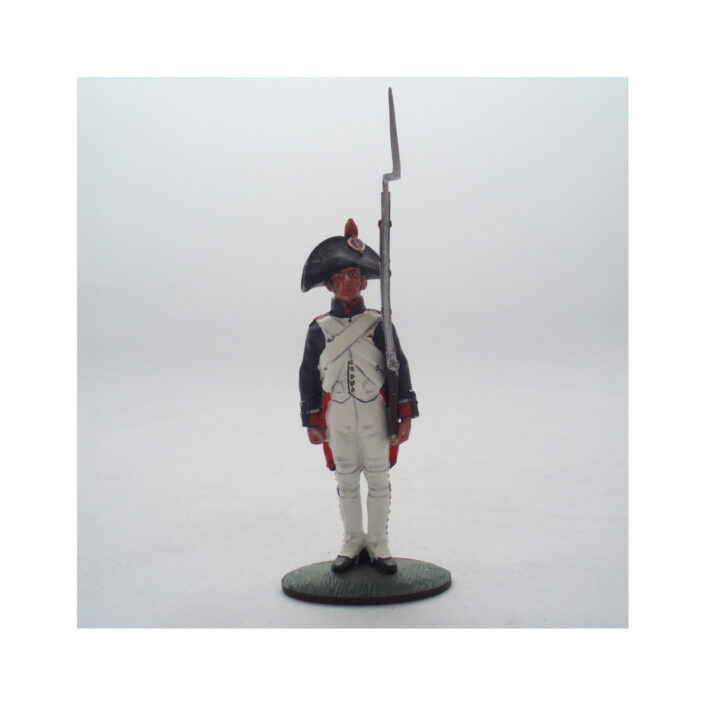
The word vélite changes the reading of this miniature. Del Prado’s subject represents a young soldier within a system intended to develop future leaders, rather than simply another battle-hardened Old Guard grenadier.
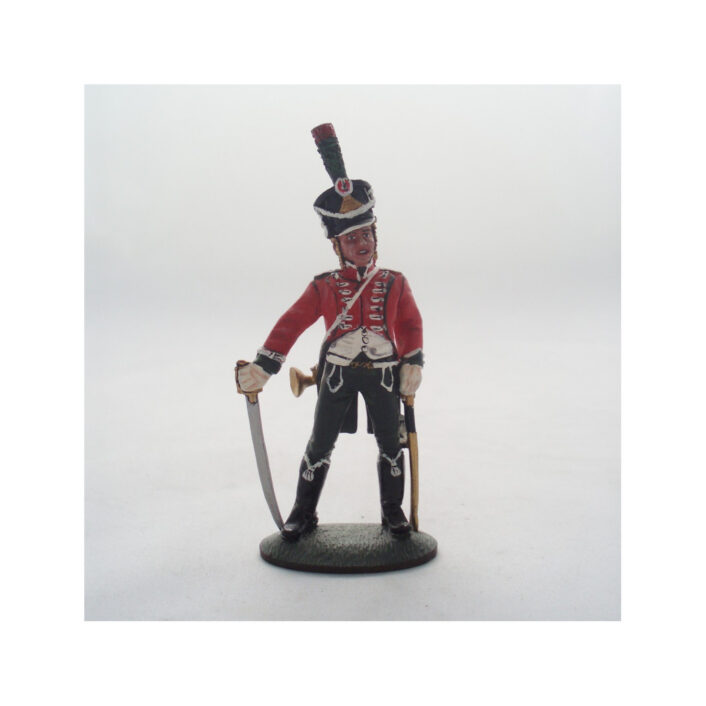
The red jacket, pale braiding and green trousers make this trumpeter stand out from ordinary French cavalry. Del Prado shows him on foot, allowing the clothing and instrument to be studied without a horse obscuring the lower body.
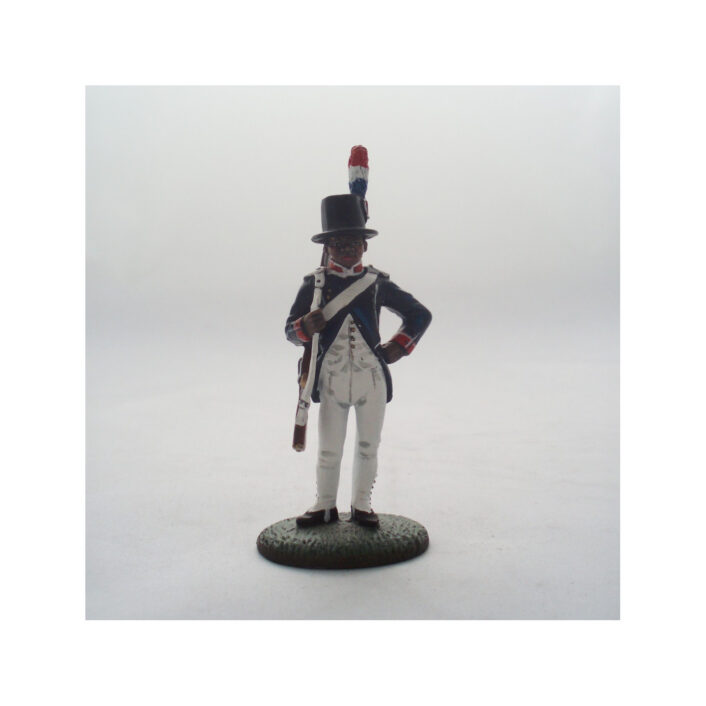
The tall hat, blue coat and white trousers make this Martinique guardsman a striking departure from European battlefield infantry. The photographed Black figure brings colonial society into a catalog that could otherwise make the Napoleonic era appear exclusively European.