
Del Prado Winged Hussar, 1683: The Ground Before the Famous Charge
The wing and long lance are instantly recognisable. At Vienna, the less visible story is how an allied army reached the ground from which its cavalry could attack.

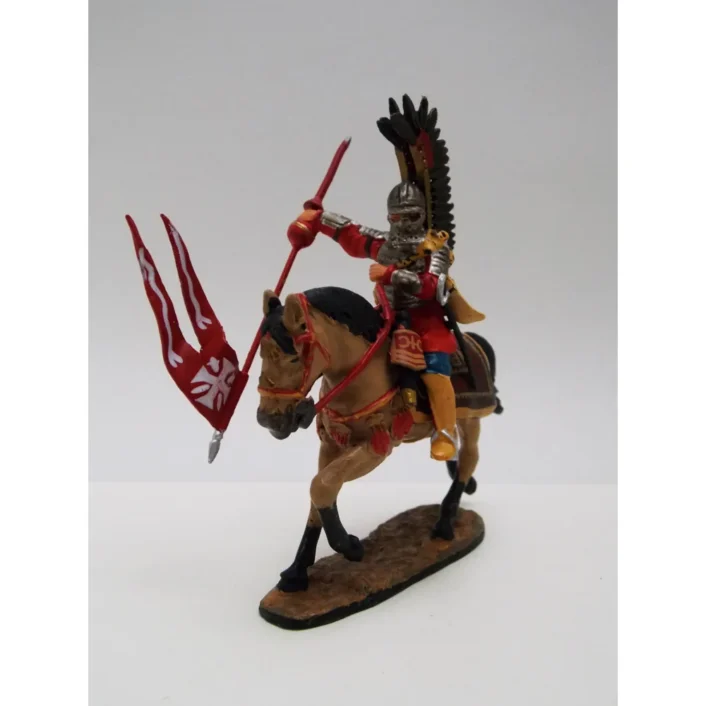
The wing and long lance are instantly recognisable. At Vienna, the less visible story is how an allied army reached the ground from which its cavalry could attack.
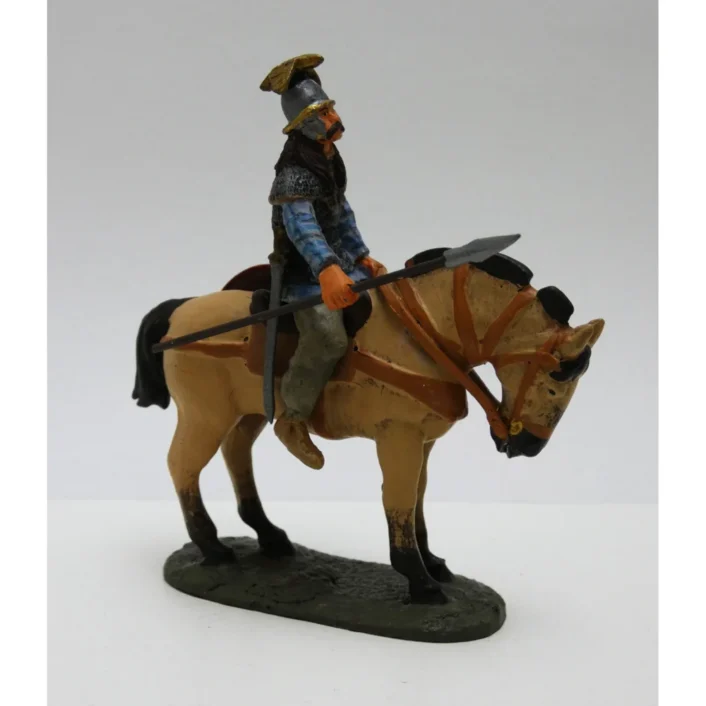
The crested helmet and patterned clothing make this rider vivid. His second-century BC setting is just as important: he belongs to a Celtic world earlier than Caesar’s conquest of Gaul.
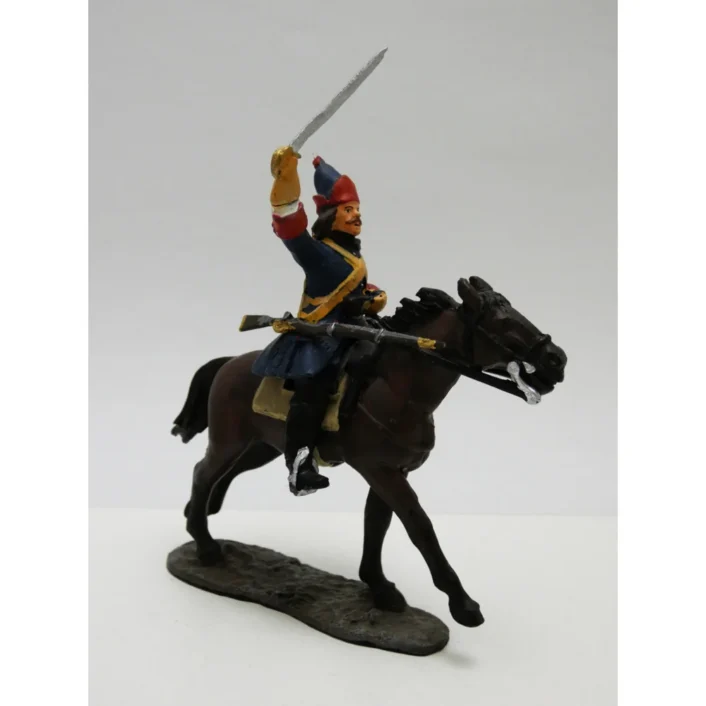
A raised sword and a moving horse suggest an open cavalry fight. At Poltava, however, mounted action belonged to a battlefield shaped by earthworks, routes and a larger struggle for control.
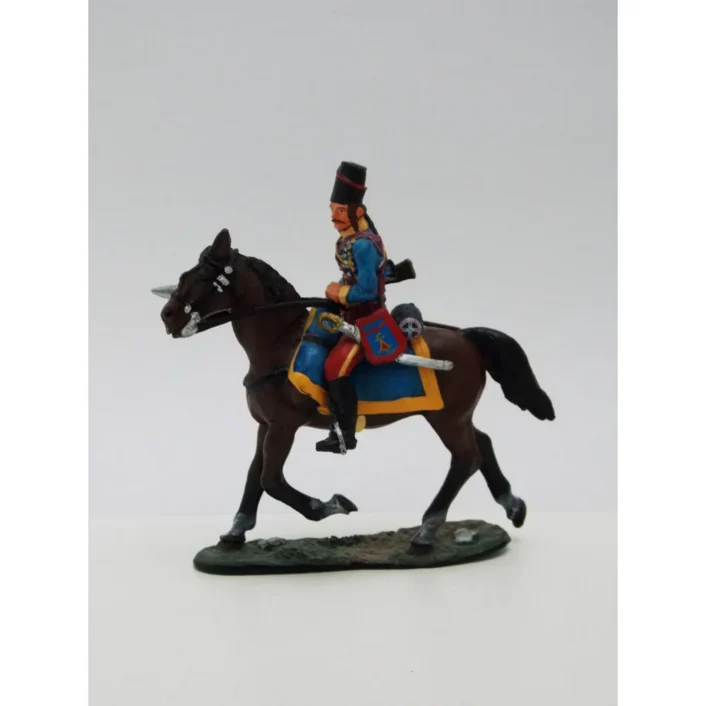
Yorktown is usually pictured through siege lines and surrender. This French hussar points across the river, to the mounted troops helping close another route out.
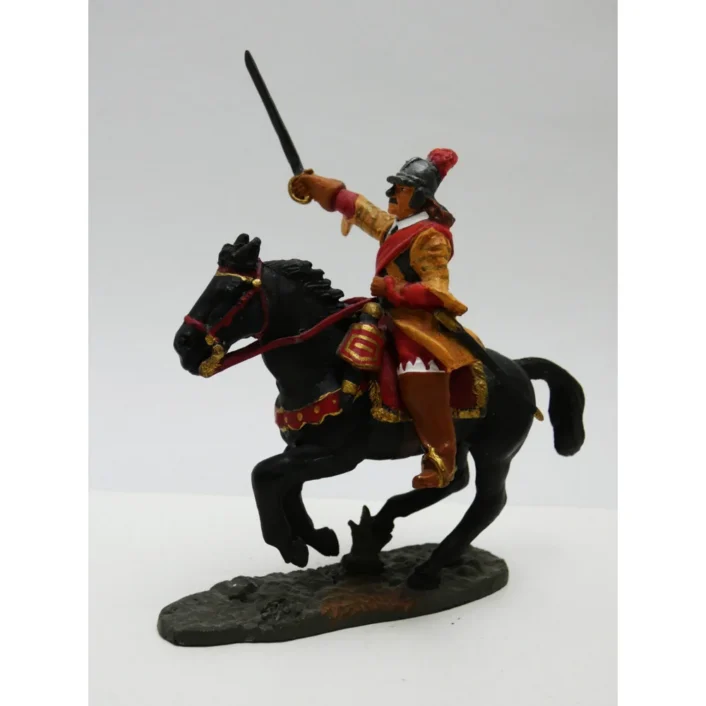
The raised blade and animated horse give Rupert the confidence of a cavalry commander. The date places him at the beginning of a war whose outcome was still far from decided.
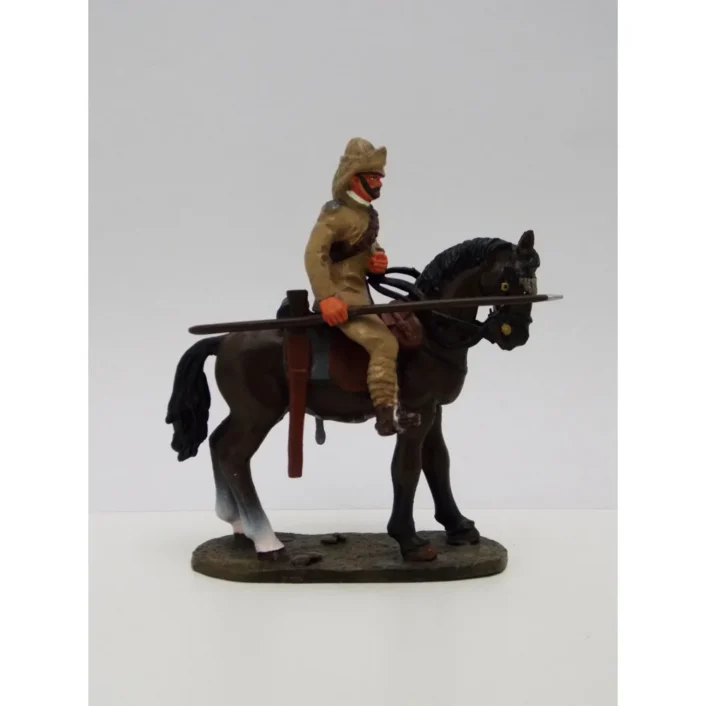
The lowered lance makes the intention unmistakable. Behind this small khaki-clad rider lies an encounter in which the ground concealed far more danger than the cavalry expected.
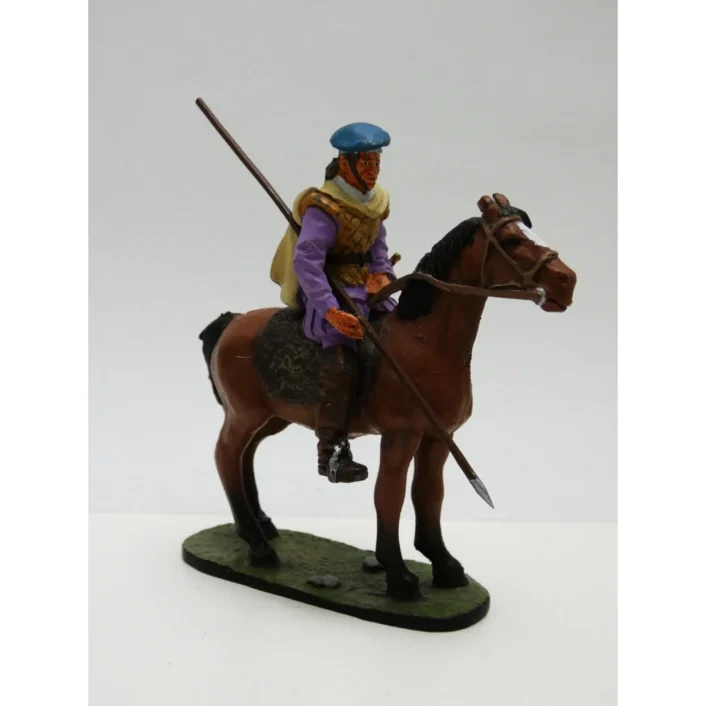
This rider belongs to a frontier of farms, towers and family allegiances. The horse mattered because a raid depended on getting across difficult country—and getting home again.
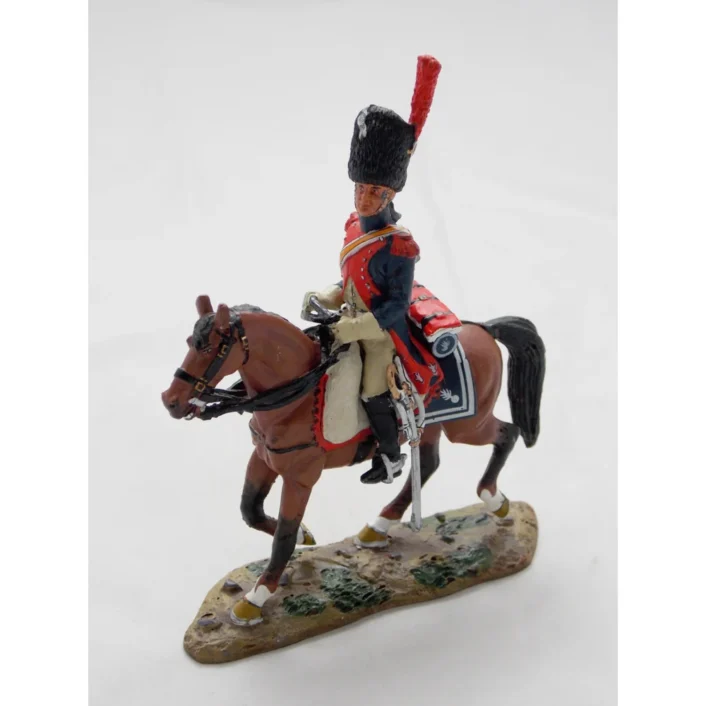
A blue coat and bearskin may seem unexpected for a French carabinier. The date explains the difference: this rider belongs to the corps before its famous armoured transformation.
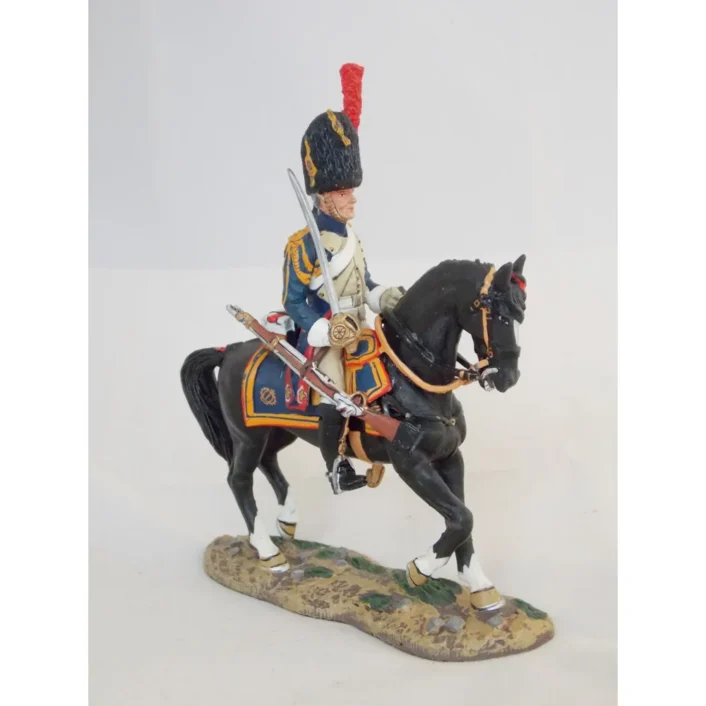
The bearskin, dark horse and blue coat convey weight without a shining breastplate. This Guard cavalryman is a reminder that heavy cavalry was not defined by armour alone.
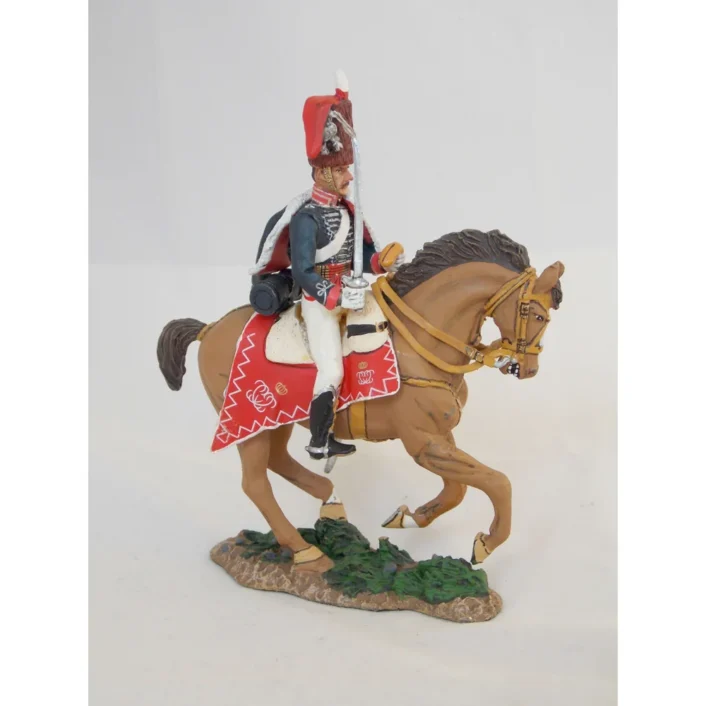
The red headgear and braided blue coat make this hussar conspicuous. His regiment’s Waterloo story offers something less obvious than a charge: the importance of bringing back the right news.