

A trench in the Tobruk perimeter did not look much like the sweeping desert war of popular memory. Its occupants were below the horizon, watching ground they might have to patrol after dark. Behind them lay a harbour. Beyond the perimeter lay an enemy whose advance had carried him past the town, but who still could not use its docks. Holding this unglamorous place imposed a cost on every mile of that advance.
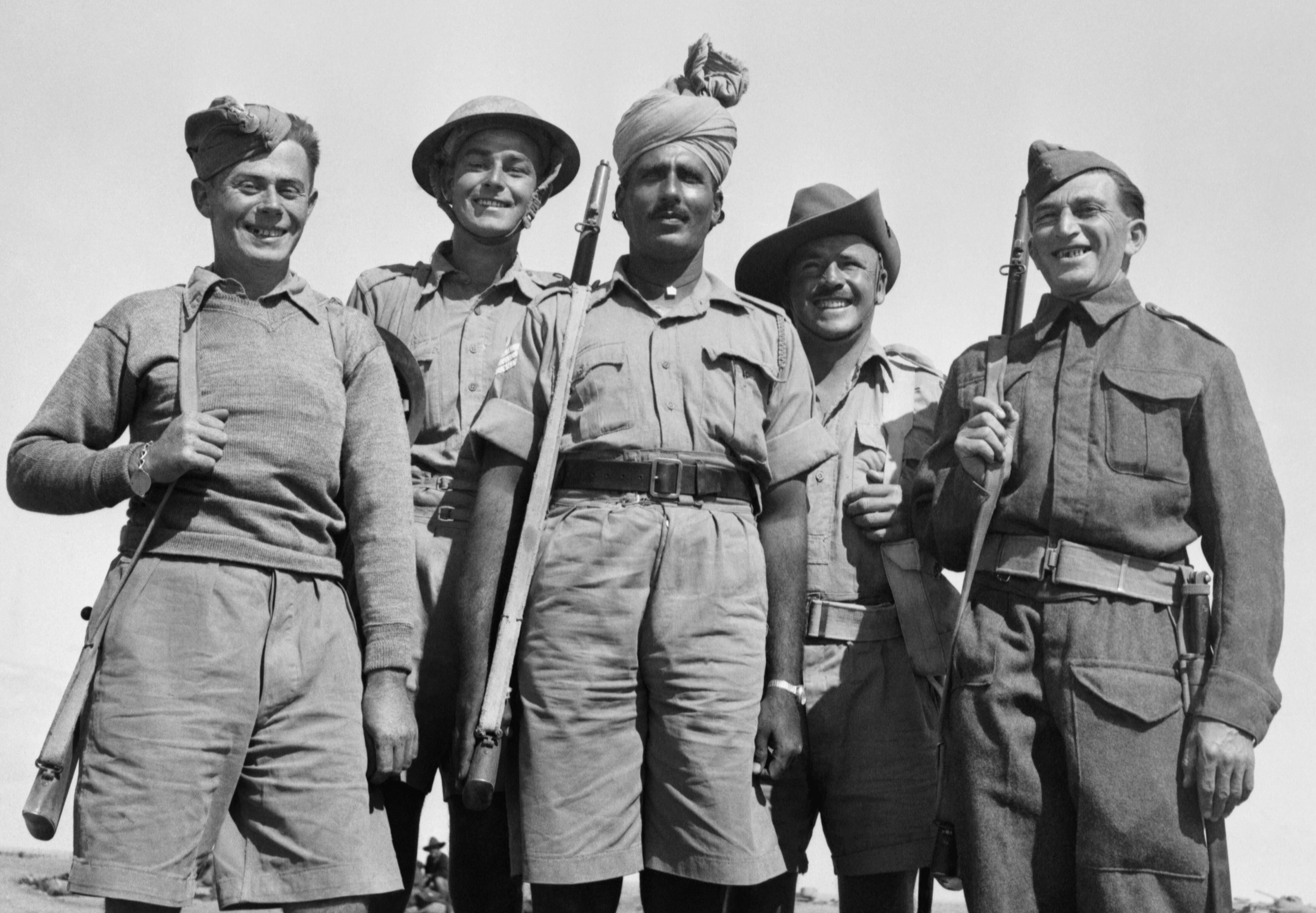
The siege grew out of the reversal of the Allied winter advance. In January 1941, British and Commonwealth forces had captured Tobruk from Italy. By April, German and Italian troops were moving east across Cyrenaica, recovering lost ground and driving towards Egypt. The Allies withdrew from much of the region but retained the port. Tobruk became an obstacle behind the advancing Axis front.
Its value increased as the Axis supply route lengthened. A convoy could carry only so much, and the vehicles delivering fuel consumed part of their load on the journey. Bringing supplies forward from ports farther west absorbed trucks, drivers, fuel and maintenance effort before a load reached a fighting unit. A usable harbour closer to the front could shorten that expensive journey; a hostile garrison denied the advantage.
The inherited Italian fortifications now served their former enemies. Leslie Morshead commanded a garrison built around the 9th Australian Division, with British artillery, armour and other supporting forces. Strongpoints, wire and anti-tank obstacles gave the defence a framework, but the gaps between positions still had to be watched and the attackers prevented from turning a penetration into a collapse.
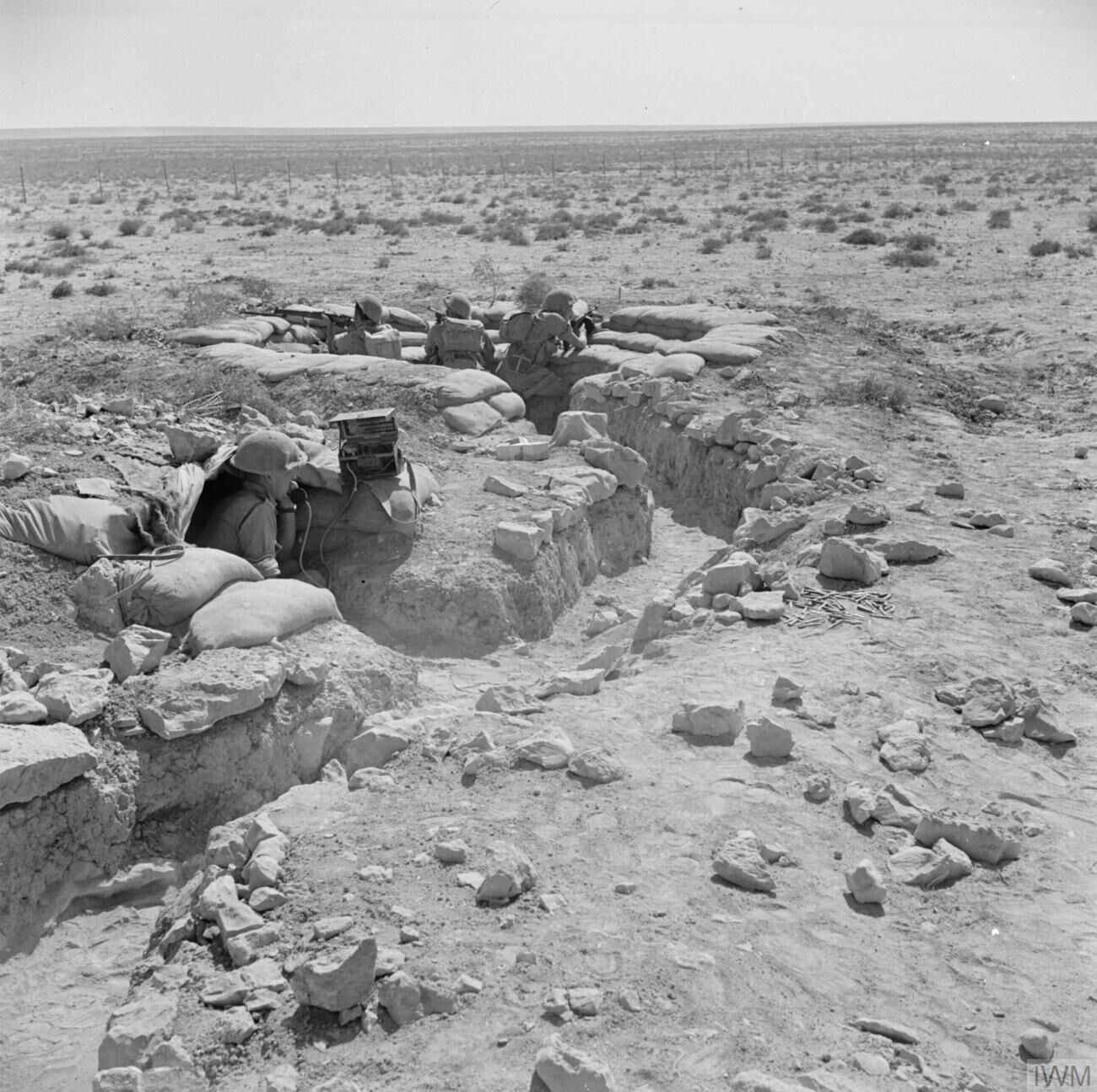
Morshead’s defence was deliberately active. The perimeter was too large to treat every threatened point as an isolated last stand. Local penetrations had to be contained and counterattacked; patrols sought information and denied the besiegers an entirely quiet possession of the ground outside. The policy demanded discipline as well as aggression. Infantrymen had to resist the impulse to abandon a position merely because enemy tanks had passed nearby, allowing anti-tank weapons and supporting troops to deal with the penetration.
The attack on the night of 13–14 April put that method to the test. German troops forced a passage through the perimeter near the El Adem road, and tanks pushed inside. The Australian infantry remained in place instead of following the armour backwards. British guns engaged the tanks, while the infantry accompanying them was held up. The penetration had become a pocket in which the attackers could be fired upon from several directions.
The fighting around the perimeter exposed the dependence of tanks upon the men and weapons accompanying them. Armour could get ahead of its infantry and find itself in an increasingly hostile pocket. Defenders who remained organised could separate the components of an attack and defeat them in detail. Tobruk’s resistance was therefore a practical challenge to the belief that the appearance of German armour made withdrawal inevitable.
The sea kept a door open
Tobruk was surrounded on land, not sealed on every side. The Royal Navy and other Allied naval forces continued to bring supplies and reinforcements into the harbour and carry wounded men out. Their passages took place under the threat of aircraft, mines and coastal attack. A ship reaching the port represented far more than a delivery: it kept the garrison connected to the rest of the war.
The sea route also allowed the garrison to change. During the later months, most Australian troops were relieved, while the Polish Carpathian Brigade and British formations took on greater responsibilities. Czechoslovak infantry also served in the fortress. Tobruk’s multinational character was a consequence of movements through the harbour as well as the composition of the original defence.
For the ships, a successful trip did not end the obligation. The next cargo and the next evacuation still had to be carried. Destroyers could move quickly, but their speed did not make them immune to air attack. Naval losses made the price of maintaining Tobruk visible far from its trenches. The defence was a combined operation even when no one on the perimeter could see the vessels sustaining it.
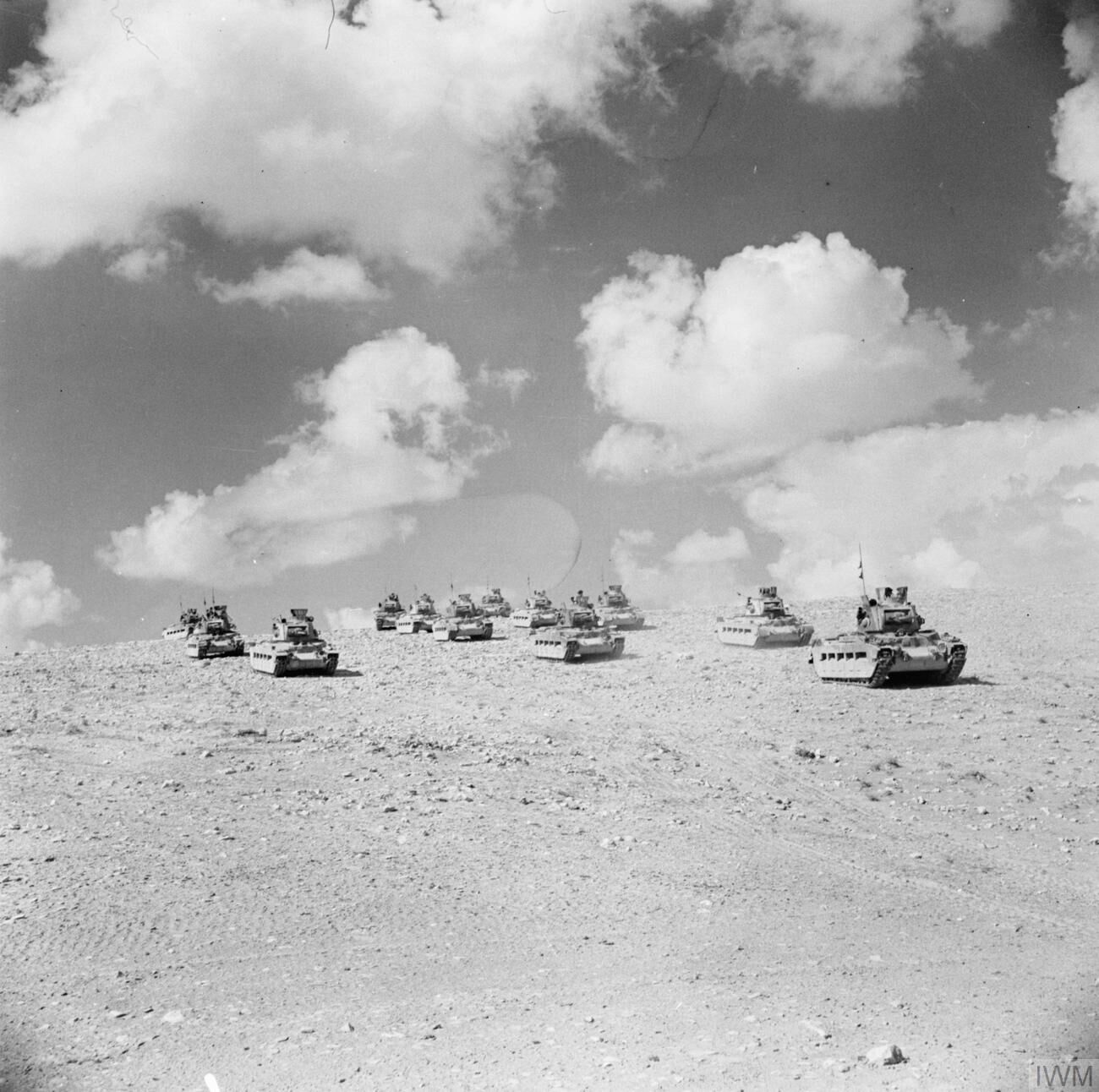
Post-Work: User:W.wolny · Archive record · Public domain. Reproduced without cropping or retouching.
Repeated Axis attacks failed to take the fortress. For Rommel, the surviving garrison denied the use of a valuable port and required forces to watch or assault it. For the Allies, its survival showed that the German advance could be resisted. The nickname “Rats of Tobruk,” taken up by the defenders, became a declaration of endurance rather than an insult.
Between major attacks, men endured heat, dust, air raids and shellfire. Patrols after dark brought another set of dangers: leaving familiar positions, crossing ground the enemy watched, then finding a way back without being mistaken for an attacker. The garrison could not judge the siege only by the days on which a large assault reached its wire.
Waiting for the siege to lift
As the months passed, the garrison watched for relief from outside. Operation Brevity in May and Battleaxe in June failed to lift the siege. Each disappointment prolonged the same practical obligations: the next patrol, the next shipment, another night on the perimeter.
Operation Crusader, launched in November 1941, eventually relieved the port and forced a wider Axis withdrawal. The result belonged to the interaction of the garrison and the field army, not to an isolated fortress winning the desert war on its own.
Tobruk fell in a different campaign in June 1942. Keeping the dates separate preserves the meaning of both events. The long resistance of 1941 was real, but it did not make the place permanently secure. In North Africa, even a famous defensive achievement existed within a war of changing distances, resources and opportunities.
- Australian Department of Veterans’ Affairs: Siege of Tobruk
- Siege of Tobruk: chronology and bibliography
Photographic credits and rights are given with each image. Wikipedia overview linked above is available under CC BY-SA.