


The Malmedy Massacre and its survivors transformed Allied attitudes toward prisoner policies during the Battle of the Bulge.
Introduction
The Malmedy Massacre, also infamously known as the worst American POW atrocity in western Europe during World War II, profoundly influenced both Allied and Axis approaches to taking prisoners. On December 17, 1944, Waffen‑SS forces executed eighty‑four unarmed American soldiers of the 285th Field Artillery Observation Battalion at the Baugnez crossroads near Malmedy, Belgium, signaling a chilling ‘take no prisoners’ order that directly affected later actions, such as the Chenogne massacre. Moreover, survivors like Sergeant Henry “Roy” Zach and Private Harold Billow personified resilience, offering vivid testimony that reinforced hardened stances on both sides.
The Malmedy Massacre sparked a shift in wartime conduct, instilling deep mistrust and retaliatory impulses amidst the icy Ardennes warfare.
The Malmedy Massacre at Baugnez Crossroads
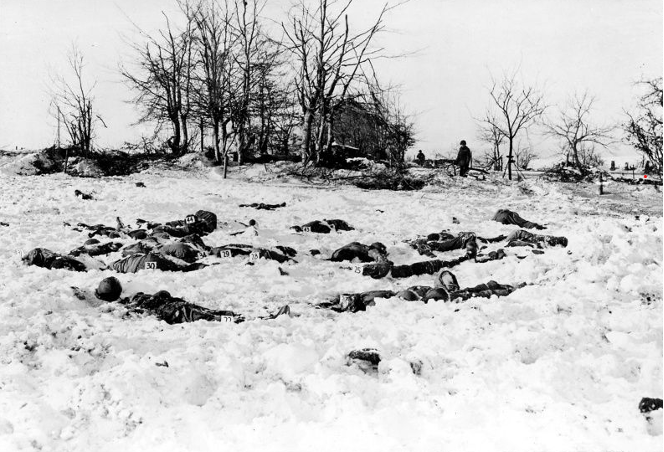
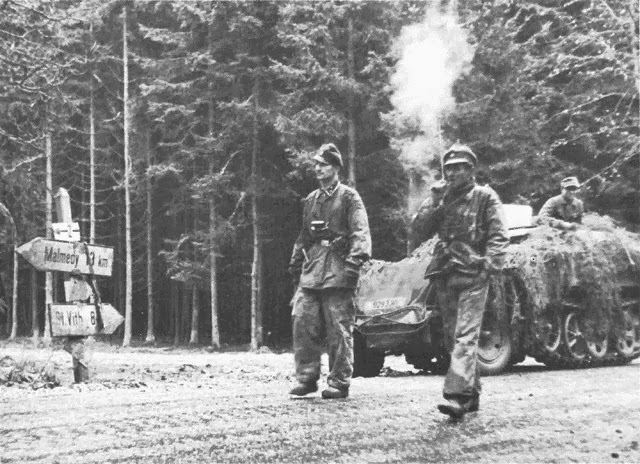
On December 17, 1944, Waffen‑SS troops from Kampfgruppe Peiper executed eighty‑four U.S. POWs at a field near Malmedy, Belgium, during the Battle of the Bulge, thus marking one of World War II’s most notorious war crimes. The soldiers, having surrendered after a brief skirmish, were herded into a farmer’s field and subjected to machine‑gun fire; survivors were finished with coup de grâce shots to the head (en.wikipedia.org). This atrocity unfolded per Adolf Hitler’s orders of taking no prisoners and showing no mercy, establishing a chilling precedent (nationalww2museum.org). Investigators exhumed the massacre site weeks later, documenting bullet wounds, head trauma, and systematic execution patterns (en.wikipedia.org).
Consequently, the massacre became emblematic of Nazi brutality, forever altering Allied perceptions of SS forces and foreshadowing further atrocities.“Malmedy Massacre” appears in military dossiers and trials; the field became a grim landmark of no‑quarter warfare.
Survivors: Henry “Roy” Zach and Harold Billow
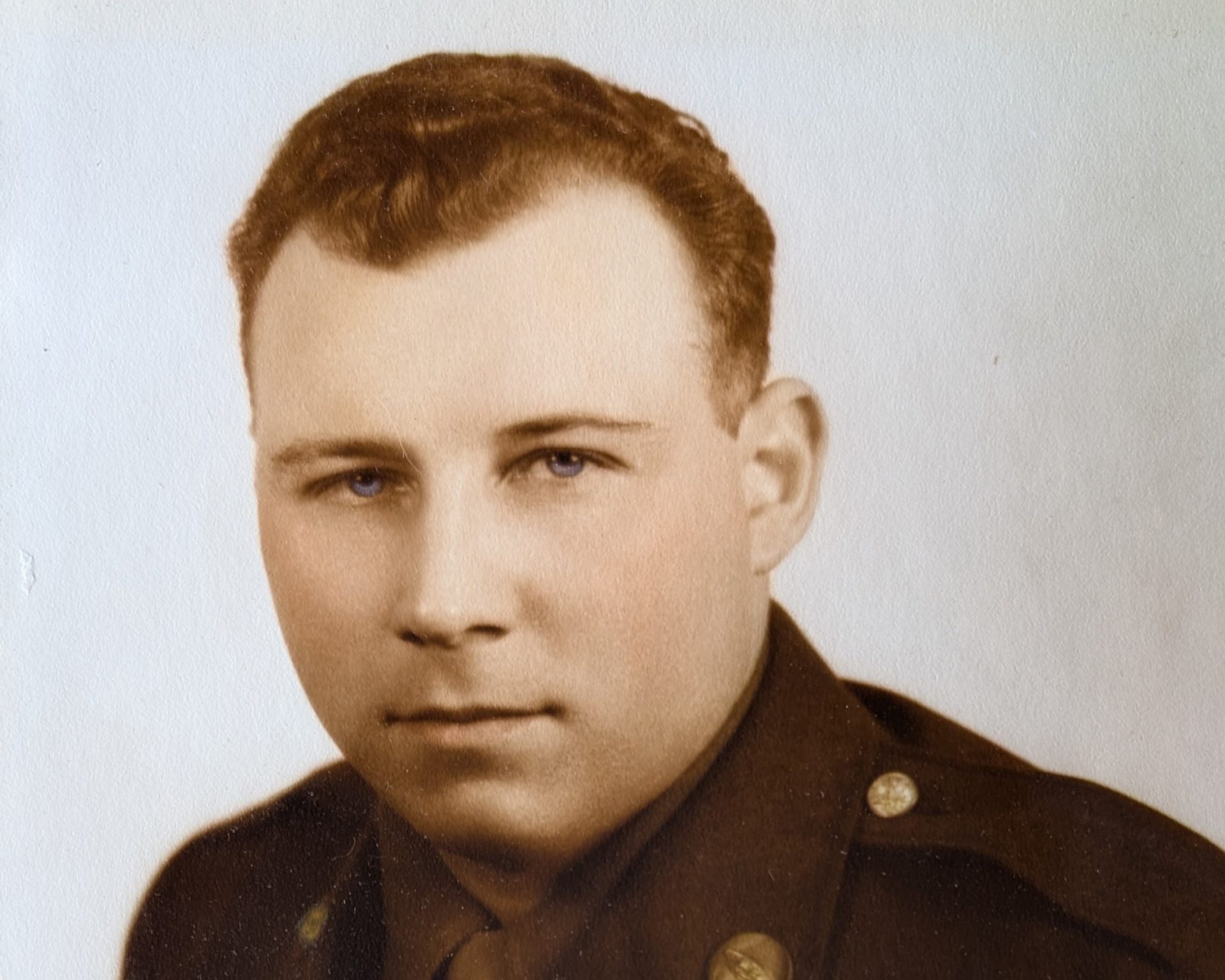
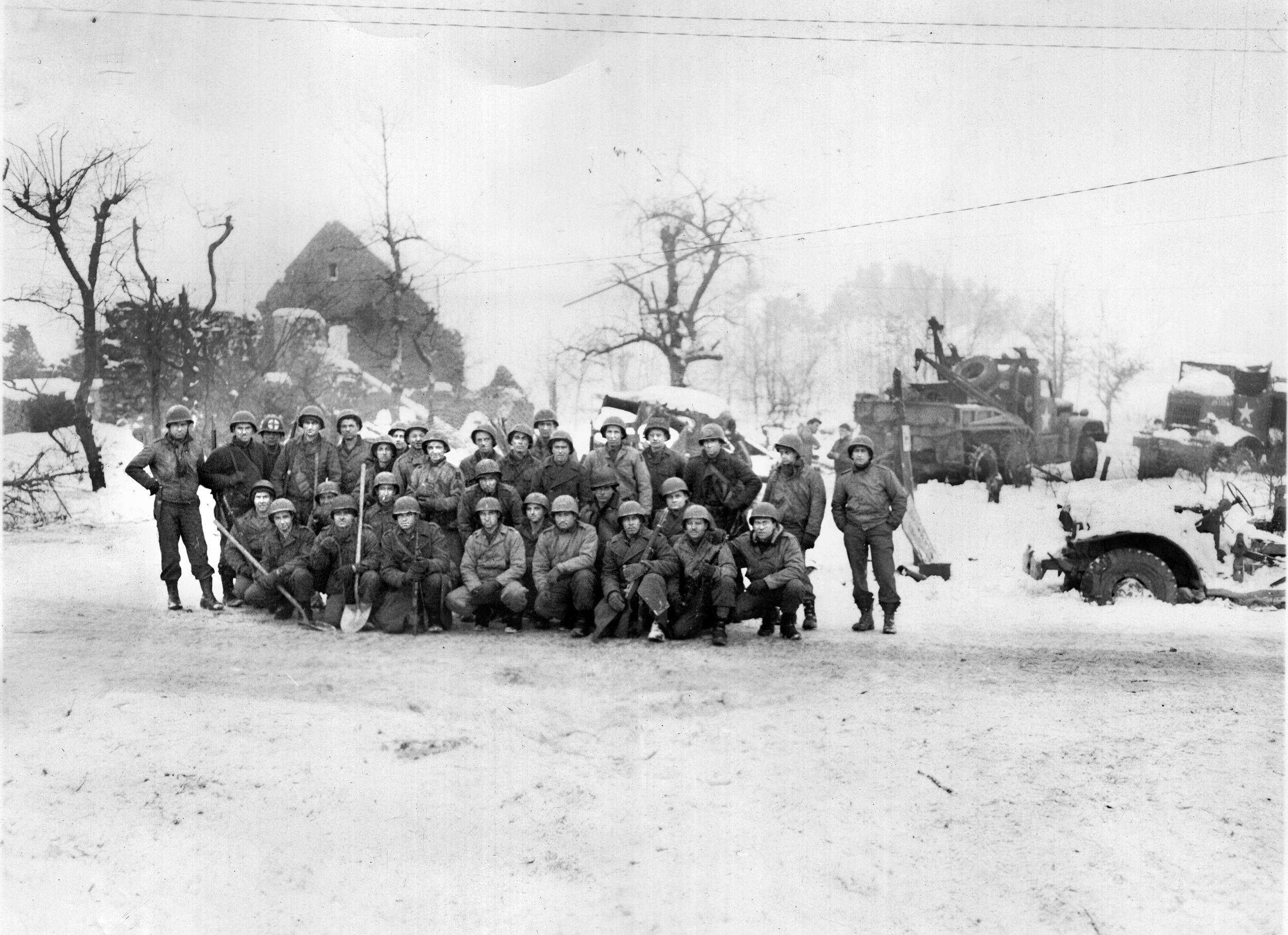
Among the roughly forty survivors who escaped the Malmedy Massacre by playing dead or fleeing, two stand out: Sergeant Henry “Roy” Zach and Private Harold Billow. Sergeant Zach, embedded with the 32nd Armored Regiment, endured multiple waves of machine‑gun fire, hiding behind corrugated steel before crawling to safety at night; he was rescued by American troops and survived with life‑long wounds (wisvetsmuseum.com). Meanwhile, Harold Billow, the last known survivor, also played dead in the snow following the initial barrage, then bolted through hedgerows to find refuge with American lines (abc27.com).
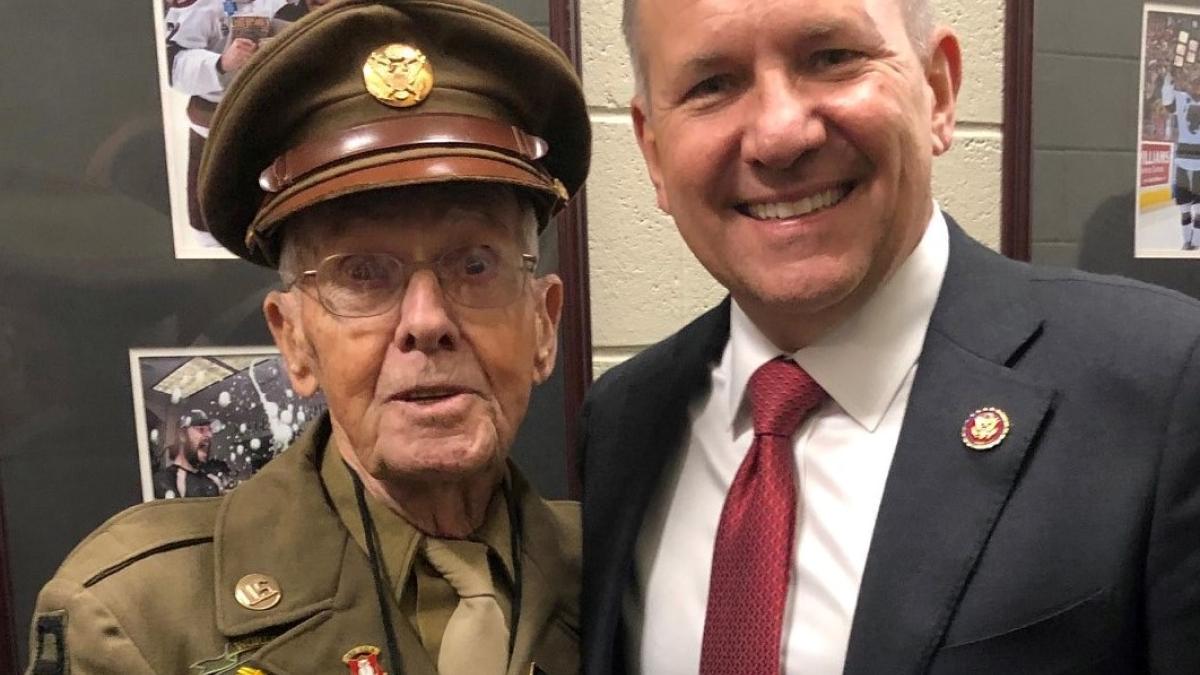
Billow later shared his experience widely, adorned his yard with 87 flags to commemorate the fallen, and even had a Pennsylvania post office named in his honor (smucker.house.gov). Their first‑hand testimony shaped public memory and military trials alike, giving human faces to the atrocity’s horrors.
Impact on Allied Policy and the Chenogne Massacre
News of the Malmedy Massacre rippled swiftly through Allied ranks, inflaming emotions and hardening military policy. Within hours, unofficial orders swept through Allied units to take no SS prisoners (en.wikipedia.org). This reaction culminated in the Chenogne massacre on January 1, 1945, when U.S. troops executed approximately eighty German POWs, likely as retribution for Malmedy; the killings reflected emotional retaliation fueled by remembrance of the atrocity (en.wikipedia.org). Such cycles of violence illustrate how Malmedy shifted Allied behavior from adhering to Geneva Conventions toward immediate, vengeful action in the face of perceived enemy inhumanity.
War Crimes Trials and Justice Delayed
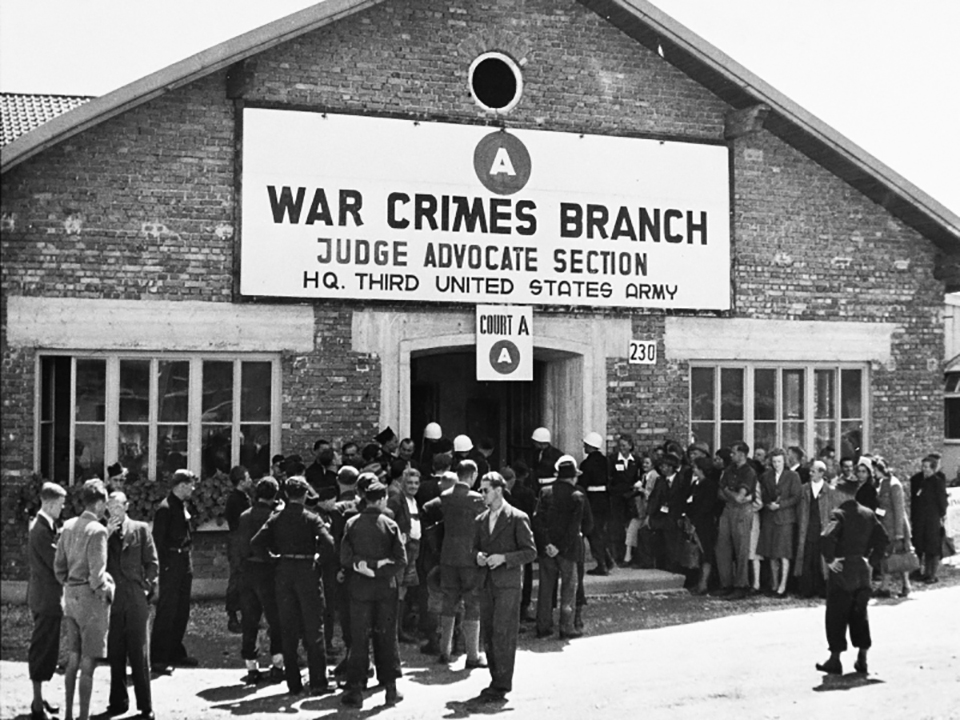
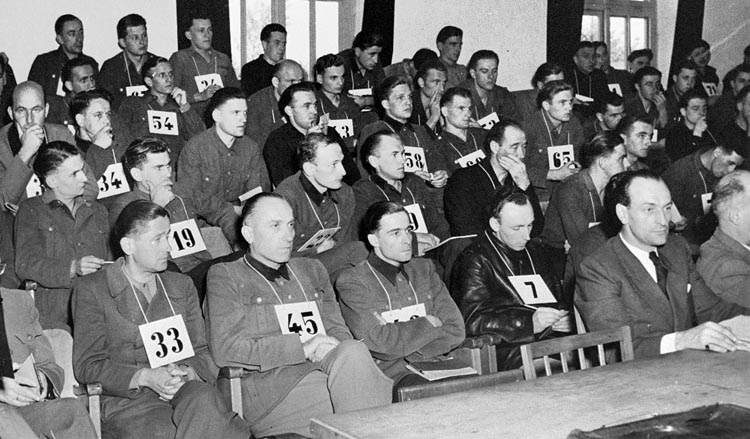
After the war, the Malmedy Massacre became a central piece of evidence at the Dachau Trials held between May and July 1946. Seventy‑four Waffen‑SS members, including Joachim Peiper and Sepp Dietrich, faced charges; 46 received death sentences, 23 got life terms, and others received lengthy prison terms (nationalww2museum.org). However, allegations of coercive interrogation and legal irregularities prompted reviews and appeals, leading to commutations; by 1956, many were released (encyclopedia.ushmm.org). While the trials acknowledged command responsibility and Nazi brutality, justice remained incomplete, underscoring the tension between retribution and legal process in post‑war reckoning.
Legacy of the Massacre and the Survivors’ Memory
Over time, the Malmedy Massacre has endured in memory through memorials, scholarship, and survivor testimonies. The crossing at Baugnez became hallowed ground, with Belgian citizens commemorating the fallen annually (army.mil). Survivors like Billow and Zach dedicated years to recounting their harrowing experience, educating future generations on the costs of war. Billow’s community placed flags and repurposed buildings in his memory; Zach’s oral history survives in museums (wisvetsmuseum.com). Consequently, the massacre’s legacy persists not only as a historical atrocity but as a testament to resilience, moral reckoning, and the enduring human need to remember.
Conclusion
The Malmedy Massacre irrevocably changed wartime conduct, memory, and justice. It catalyzed heated reactions that led to retaliatory killings like Chenogne, illustrating how the massacre reshaped the Allies’ approach to enemy capture. Survivors such as Henry “Roy” Zach and Harold Billow gave human voice to the atrocity, ensuring history remembers the victims and perils of abandoning mercy. Moreover, the massacre’s role in war crimes trials and memorial‑making continues to reinforce the importance of accountability. By confronting the horror of the Malmedy Massacre, future generations uphold the imperative that even amid the crucible of war, humanity must not lose sight of legal and moral principles.