

At Gallipoli in 1915, the ANZAC spirit of endurance, courage and mateship was forged amid harrowing conditions, shaping a legacy that endures in Australian and New Zealand identity.
Introduction
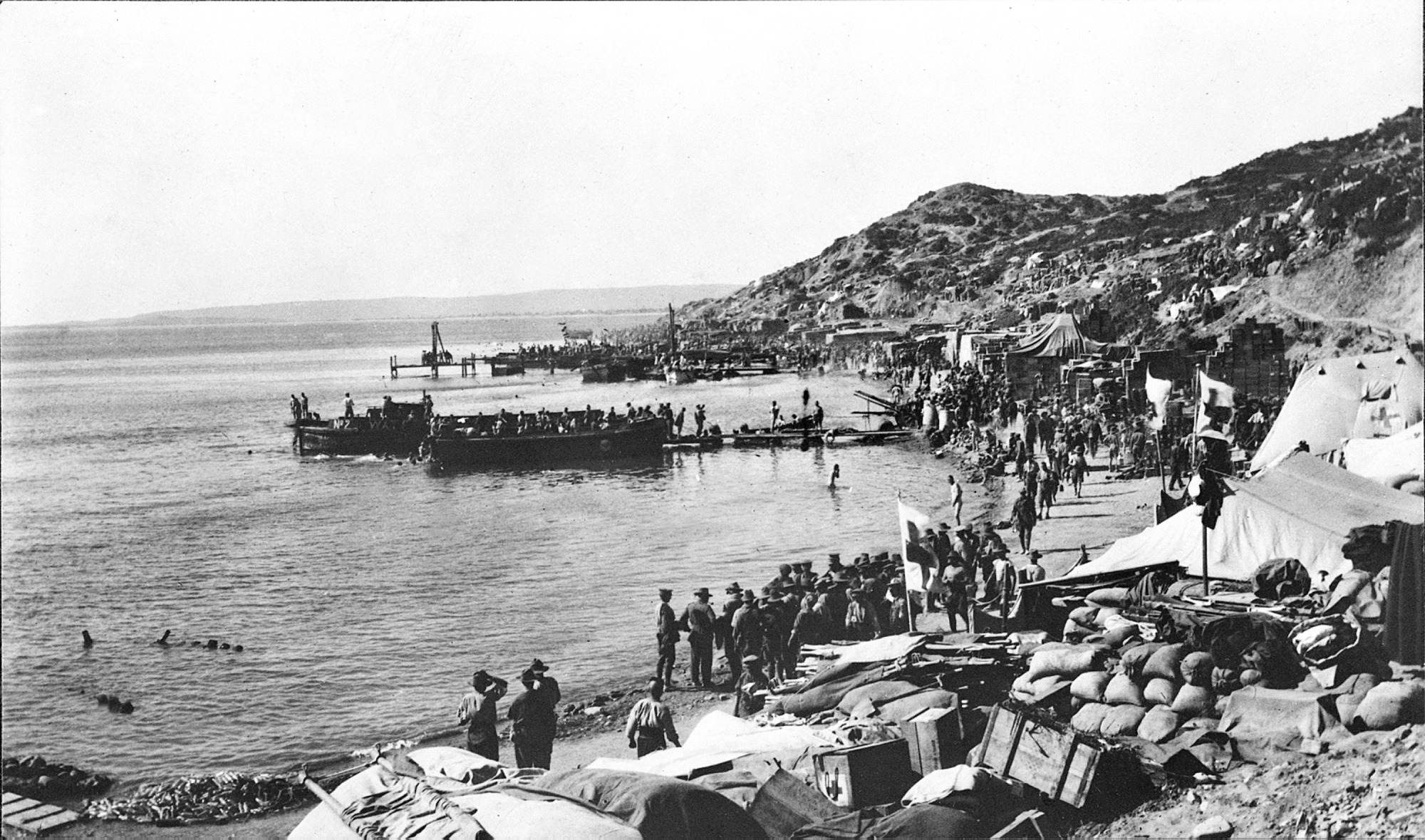
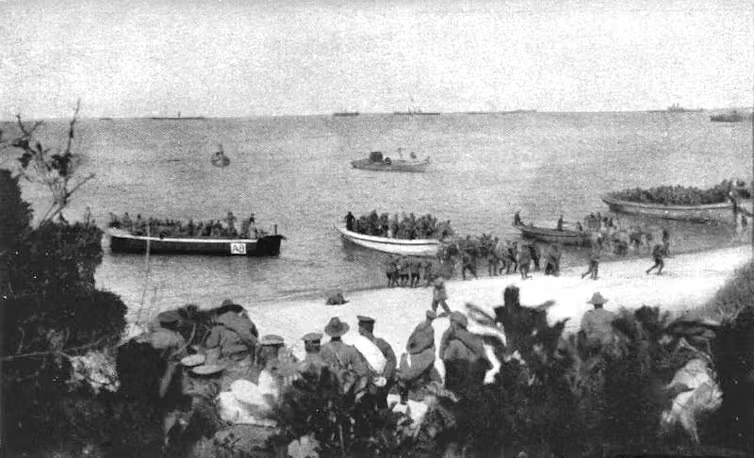
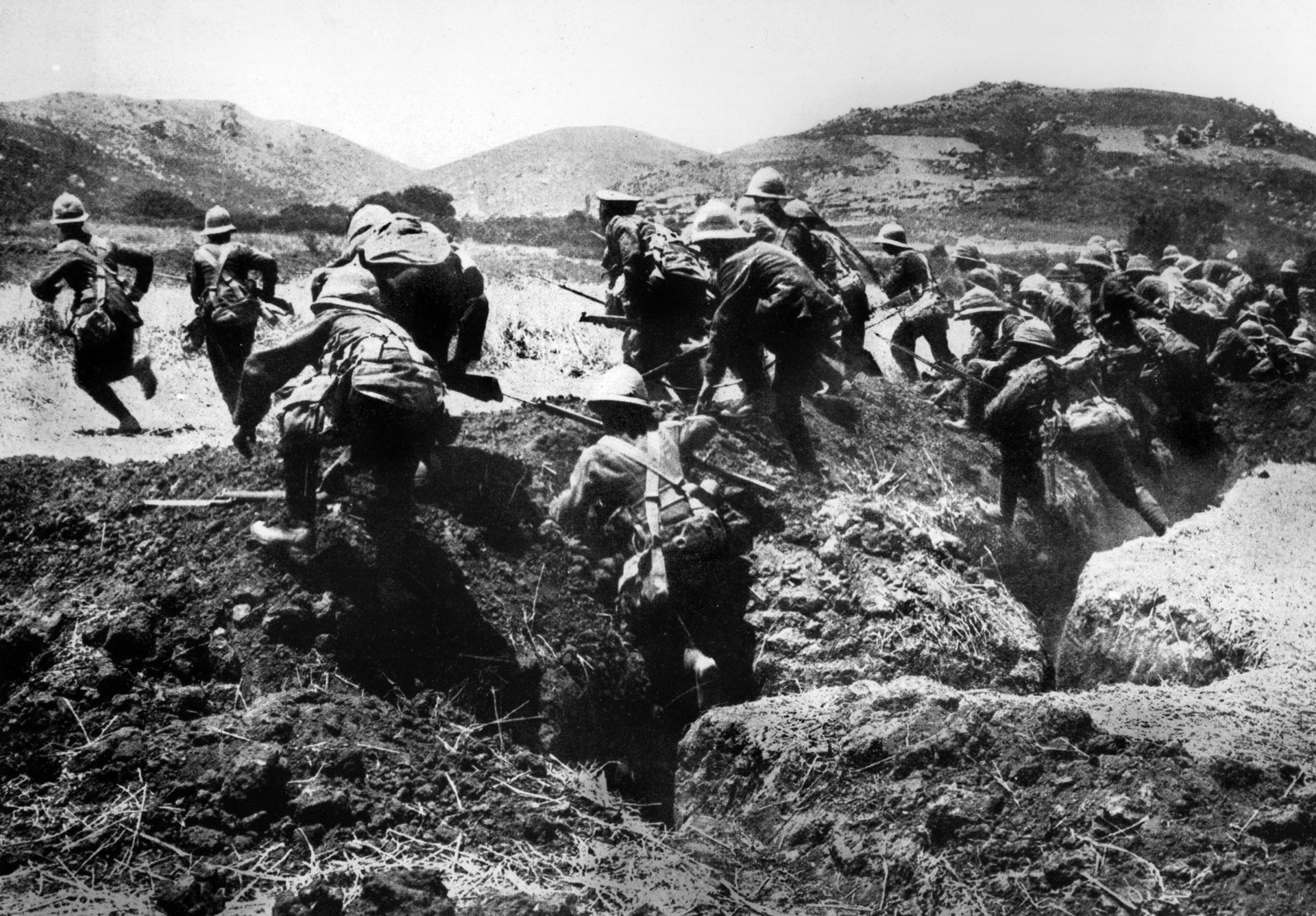
At dawn on 25 April 1915, Australian and New Zealand troops stormed the rugged dunes of Gallipoli under withering rifle and artillery fire. However, instead of the swift victory planners imagined, they faced steep ridges, chaotic landings, and unrelenting Ottoman resistance—forcing soldiers to dig deep trenches with trembling limbs while the Mediterranean sun beat down. The landing on too narrow a front left men intermixed and scrambling for cover, stuck in a fight that no one had truly envisioned becoming so grinding and unforgiving (awm.gov.au). In this crucible of fear and determination, the ANZAC spirit gallantly took shape—one defined by resilience, mateship, and courage amid extreme hardship.
This article explores how that spirit emerged in Gallipoli’s daily struggles and how its legacy remains a cornerstone of memory in Australia and New Zealand today.
Why Gallipoli? Strategic Goals and Grim Realities
The Gallipoli campaign began as part of an ambitious Allied strategy to knock the Ottoman Empire out of World War I by seizing the Dardanelles. The goal was to threaten Constantinople, open a naval route to the Black Sea and help Russia receive supplies via warm‑water ports (en.wikipedia.org). However, although the objective was sound in theory, planners underestimated the rugged terrain and the determination of the Ottoman defenders, turning the landing into a quagmire rather than a swift strike. Consequently, a campaign that aimed to secure strategic waterways instead became an eight‑month slog marked by trench warfare, disease, and logistical nightmares (en.wikipedia.org).
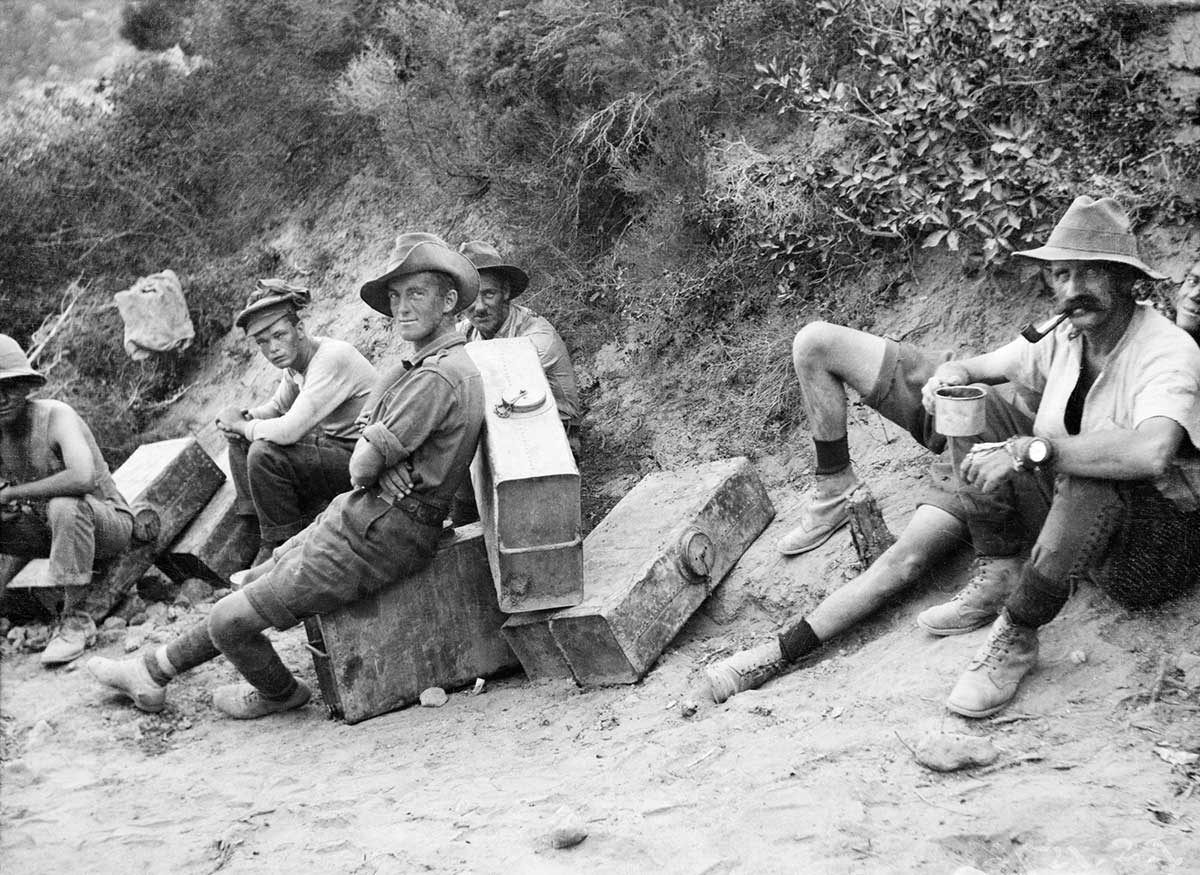
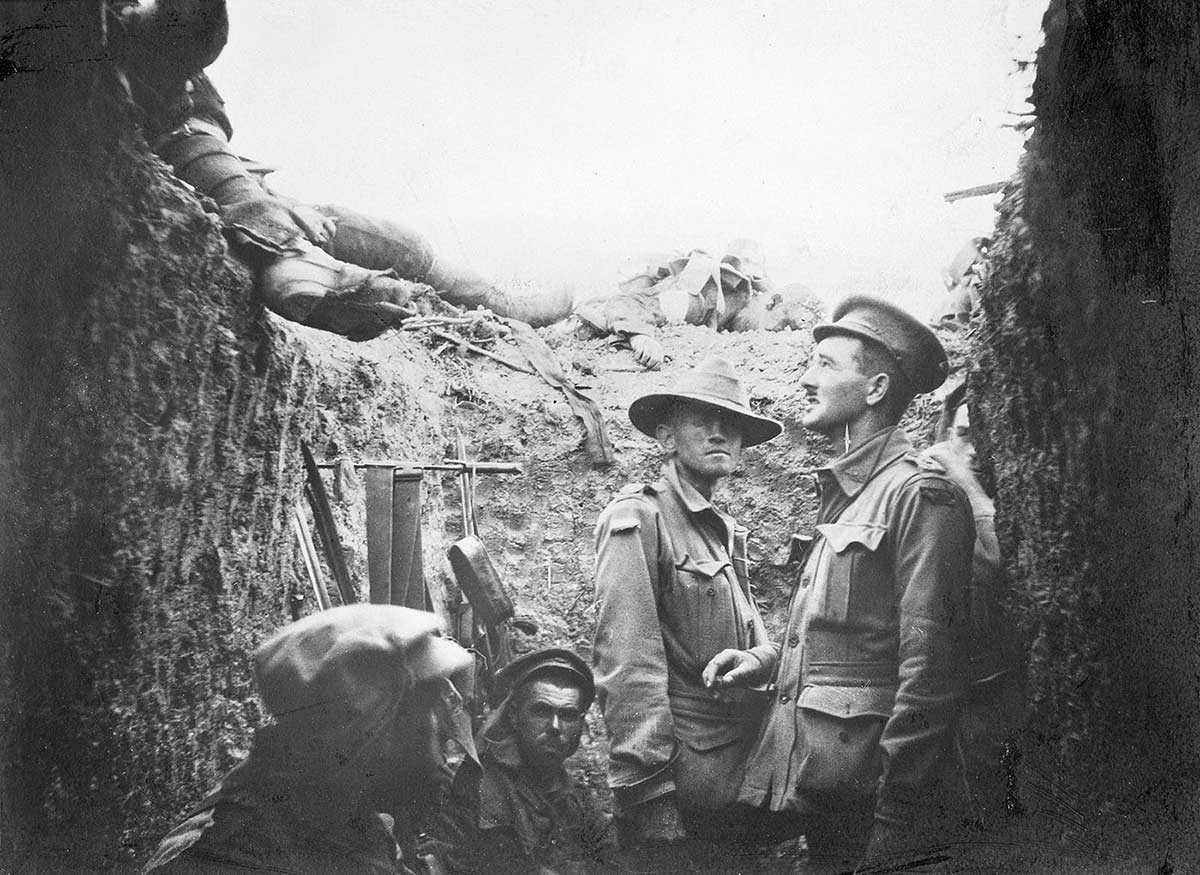
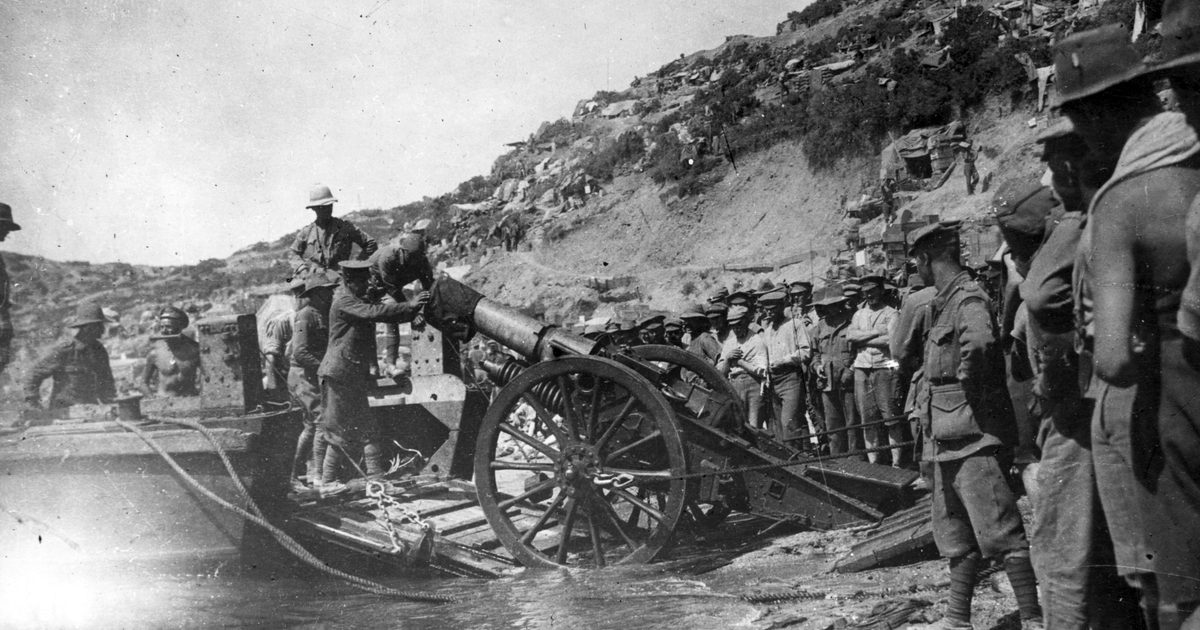
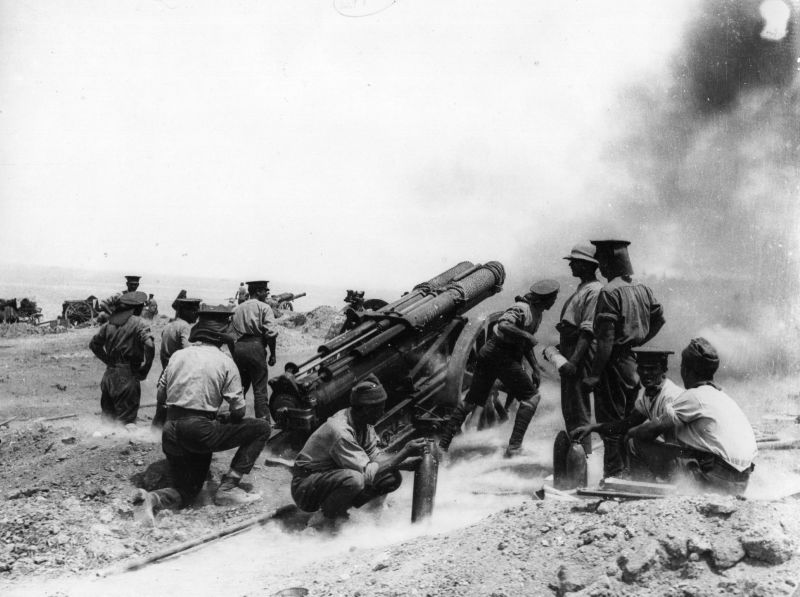
Daily life in the trenches soon revealed the harshness of the reality: narrow, cramped sap systems, endless queues at half‑dry wells, and the constant drudgery of carrying biscuit boxes or building timbers under broiling sun. Men scratched life from that unforgiving land; at night they waited for relief and hoped for mail or rations that rarely arrived on time (anzacportal.dva.gov.au). Moreover, reinforcements arrived barely trained, thrown into action almost immediately upon disembarkation—a factor that heightened anxiety and tested the limits of endurance among the ANZACs (anzacportal.dva.gov.au). This relentless grind laid the foundation for the ANZAC spirit—to endure, to improvise, to stand together when everything else seemed lost.
Daily Hardship and the Forging of Resilience
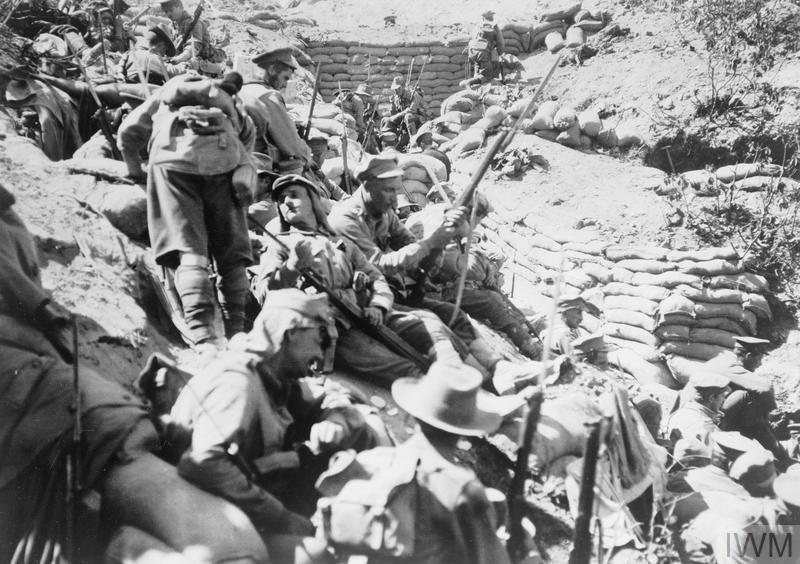
Trench life on Gallipoli quickly became monotonous yet deadly. Soldiers carved out niches in steep earthen walls, curtained with blankets or sheets, where they slept and kept watch. Sniping, bombing duels, and shell‑fire were constant companions, and men lived as though in enclosed city lanes under bombardment (awm.gov.au). Despite the danger, some sought normalcy, risking exposure to swim in the cove just for a rare moment of relief—soap, even rudimentary hygiene, were luxuries amid bullets and shells (awm.gov.au). Disease and vermin compounded the misery. Water was precious and carried uphill; lice infested clothes and bodies.
Soldiers called the desperate act of picking lice “chatting,” a grim routine bristling with discomfort—and yet, camaraderie bloomed amid these shared indignities (anzacportal.dva.gov.au). Meanwhile, shell‑displaced shrapnel splintered the already fragile supply lines, turning ration distribution into an ordeal. Those performing mundane tasks—rolling up water cans, sweeping trenches, disinfecting against flies—nevertheless displayed quiet heroism, fueled by the resolve not to falter for their comrades’ sake.
Acts of Courage, Mateship, and the ANZAC Spirit
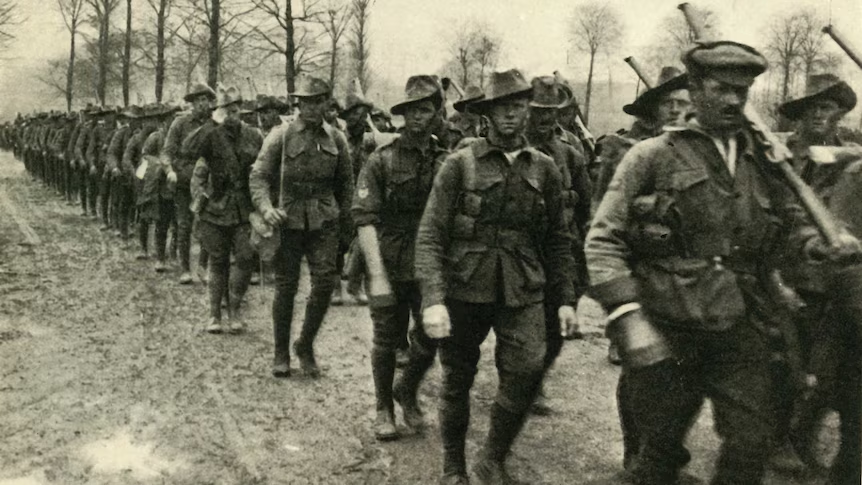
Amid chaos, remarkable stories of courage shone through. Although specific individuals beyond the famed Simpson and his donkey are seldom individually named here, the legend of mateship and self‑sacrifice grew organically. The ANZAC spirit, later defined by historian C.E.W. Bean, embodied reckless valour in a just cause, resourcefulness, fidelity, comradeship, and endurance that “will never own defeat” (en.wikipedia.org). It was nurtured in constant adversity, where men carried wounded mates, shared meager rations, and held their positions under fire. This spirit became more than battlefield conduct; it dawningly shaped national character.
The notion that Australians proved their mettle at Gallipoli surged as a defining moment of nationhood, forging an identity around egalitarianism, humour, courage, and mateship—traits now known collectively as the ANZAC spirit (en.wikipedia.org). In the aftermath, ANZAC came to represent much more than soldiers; it symbolized a shared ideal drawn from Gallipoli’s trenches.
Commemoration and Memory: From ANZAC Day to Today
As news of the casualties and the courage at Gallipoli reached home, 25 April became a day of remembrance. The first ANZAC Day occurred in 1916, with marches in London and services across Australia, evolving into a national public holiday by the 1920s (awm.gov.au). Dawn services, parades, and rituals like two‑up games became embedded in the national ritual, commemorating sacrifice and the ANZAC spirit for generations (en.wikipedia.org). Today, on the 110th anniversary in 2025, Australians and New Zealanders again gathered for solemn dawn services across cities and at Gallipoli itself. In Canberra, Prime Minister and citizens paid tribute; in Turkey, leaders and royals attended services at Anzac Cove.
Witnesses emphasized remembrance over glorification, reaffirming that the ANZAC spirit transcends time (apnews.com). Some critics note the persistence of Christian‑inflected language in ceremonies despite growing secularism, yet the essence of shared remembrance remains undiminished (theguardian.com).
Why the ANZAC Spirit Still Matters
The ANZAC spirit remains vitally relevant. It embodies resilience amid hardship and selfless comradeship. In disasters like floods or fires, Australians frequently invoke this spirit—banding together much as soldiers did in 1915 (awm.gov.au). In schools, sports, and communities, the ideals forged at Gallipoli still light a flame of shared identity and collective strength. Moreover, each ANZAC Day is a moment to connect past and present, to recall that ordinary people performed extraordinary deeds when tested beyond measure. The ANZAC spirit is not a myth to glorify war, but a narrative of endurance, unity, and the capacity for ordinary people to rise when it matters most.
Conclusion
The ANZAC spirit forged amid Gallipoli’s trenches—endured through lice, limited water, relentless fire, and steep ridges—became the bedrock of a national identity rooted in mateship, courage, and endurance. It survives in our commemorations, our stories, and our collective memory. Each ANZAC Day, as dawn breaks across Australia, New Zealand, and at Gallipoli, we honor that spirit: the resilience born in hardship, the selfless bonds forged in adversity, and the legacy of ANZAC spirit that continues to inspire us today.