


The geopolitical situation in the Balkans before and during World War II shaped how Balkan nations chose sides, aligned with Axis or Allied powers, and resisted occupation.
Introduction
The geopolitical situation in the Balkans leading up to World War II defined a complex web of alliances, occupations, and resistance movements. In the volatile interwar period, Balkan states navigated pressure from both Axis and Allied powers, while pursuing territorial ambitions, domestic consolidation, or survival. Consequently, countries like Bulgaria, Romania, and Hungary aligned with Germany to reclaim lost territories or protect strategic interests, whereas Yugoslavia, Greece, and Albania faced invasion and later fostered partisan resistance. Overall, shifting loyalties, occupations, and local dynamics ensured that the Balkans became both a battlefield and a crucible of resistance.
This article explores how each Balkan nation chose sides, who collaborated with the Germans and why, who fought with the Allies, and who courageously resisted the occupation.
Bulgaria’s Axis alignment and later reversal
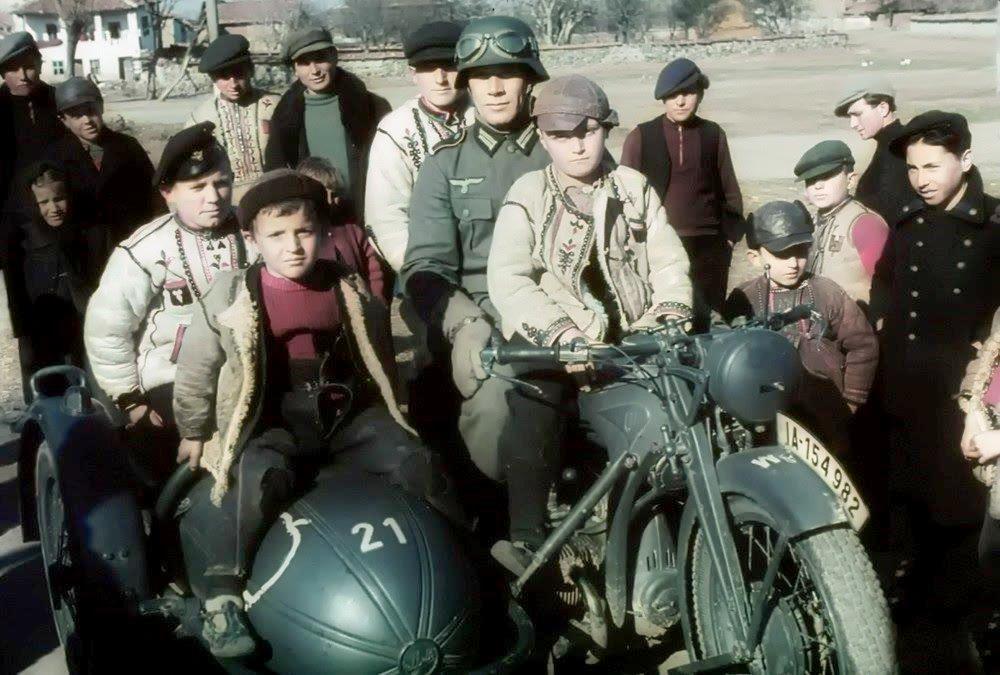
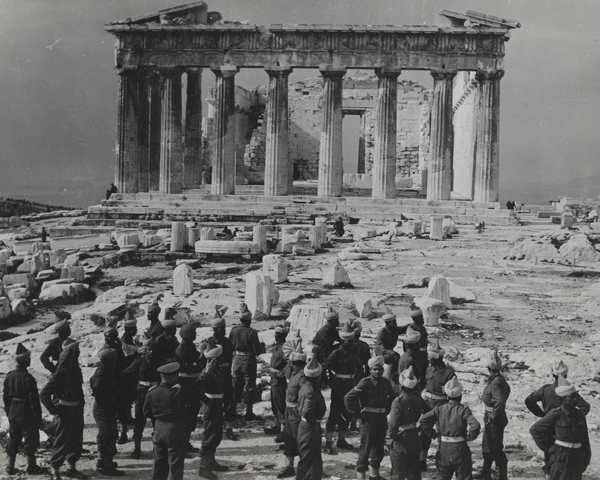
Bulgaria navigated a cautious neutrality early in World War II, yet Tsar Boris III eventually caved to German promises of territorial gains. On March 1, 1941, Bulgaria joined the Axis to secure lands in Western Thrace and Yugoslav Macedonia, which German troops soon occupied (en.wikipedia.org). Moreover, Bulgaria did not invade alongside Germany into Yugoslavia or Greece, but allowed transit and occupied the agreed territories immediately after their capitulation (en.wikipedia.org). However, internally, resistance grew: in 1943 the Bulgarian Communist Party organized the Fatherland Front, joining with agrarians, Zveno, socialists, and others to mount sabotage and small-group operations (britannica.com). Consequently, as the Axis faltered, Bulgaria shifted.
In September 1944, facing Soviet advances and domestic pressure, Bulgaria switched sides: a coup replaced the pro-Axis government, it declared war on Germany, and aligned with the Allies (britannica.com).
Yugoslavia’s forced entry, swift collapse, and fragmented resistance
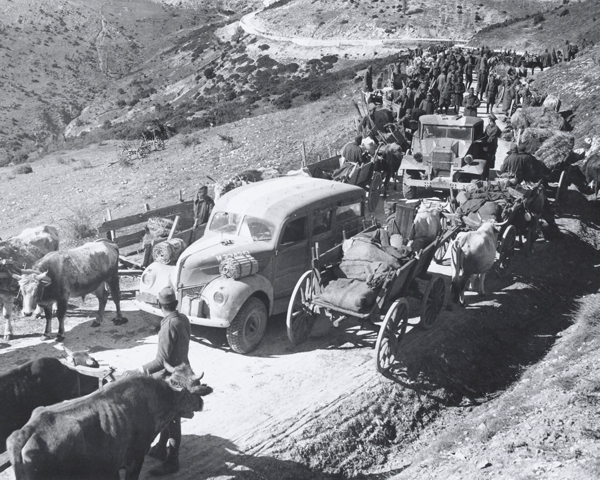
Yugoslavia attempted to maintain neutrality amid rising Axis pressure. Nonetheless, on March 25, 1941, regent Prince Paul signed the Tripartite Pact under duress (en.wikipedia.org). Two days later, a British-supported coup overthrew the regents, restored King Peter II, and repudiated the pact (en.wikipedia.org). Subsequently, on April 6, Germany, with Italian, Hungarian, and Bulgarian support, invaded Yugoslavia and Greece (encyclopedia.ushmm.org). The campaign lasted only eleven days before Yugoslavia capitulated, and the country was partitioned among Axis occupiers: Germany, Italy, Hungary, Bulgaria, and the puppet Independent State of Croatia took control of various regions (britannica.com).
Amid occupation, resistance emerged: the royalist Chetniks and the communist Partisans both fought German and collaborator forces, and by late 1943 the Allies shifted support from Chetniks to Tito’s Partisans (en.wikipedia.org). This led to coordinated Allied–Partisan campaigns, such as the Belgrade offensive in 1944, culminating in Allied victory in Serbia by October 1944 (en.wikipedia.org).
Greece and Albania: occupation and partisan warfare
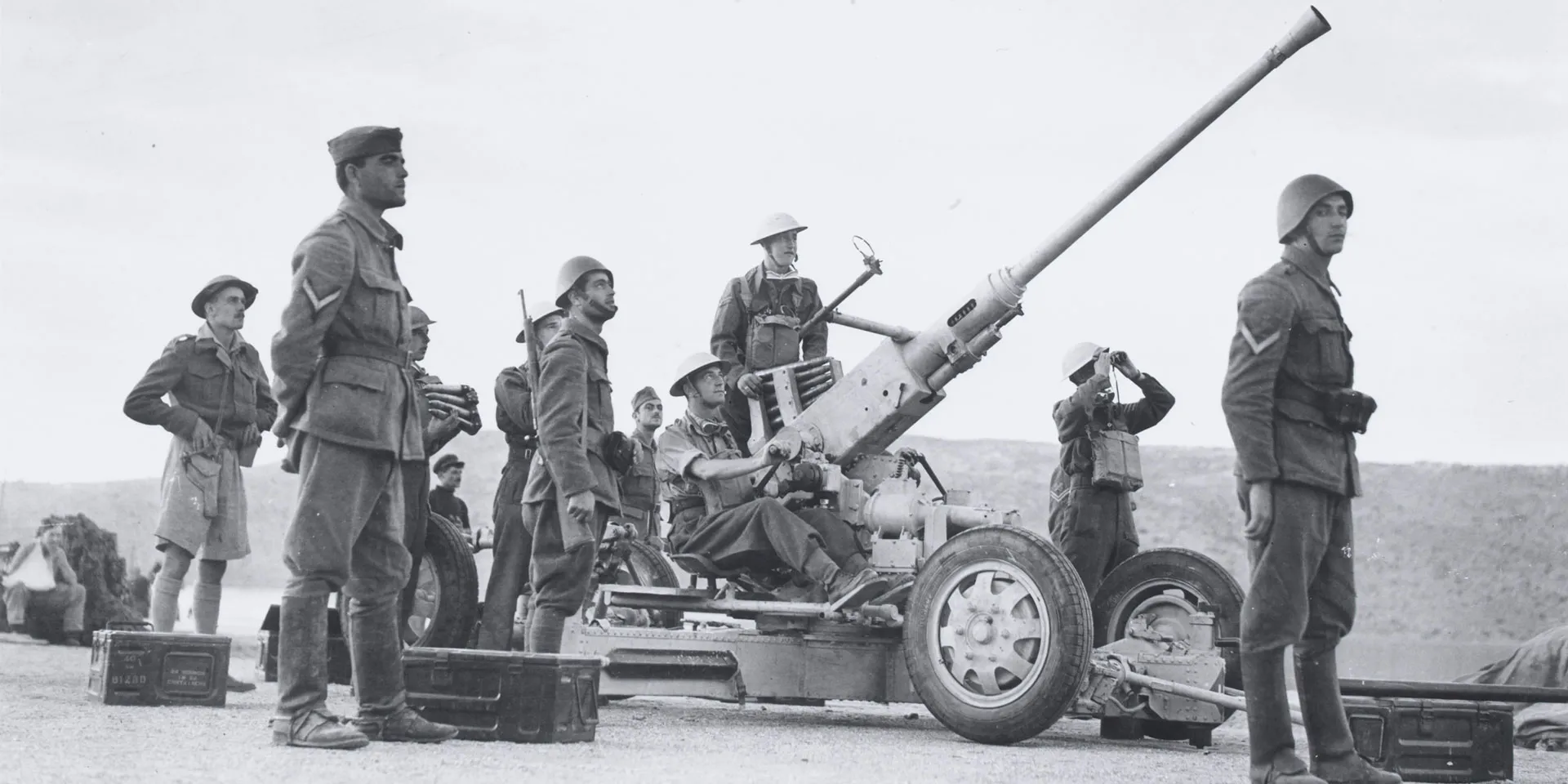
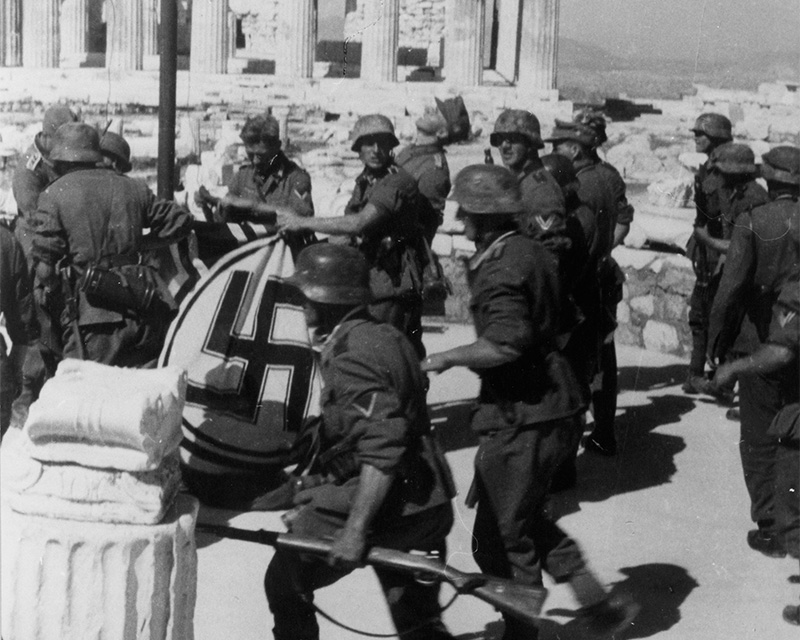
Greece and Albania succumbed to Axis invasion in early 1941. Germany, Italy, and their allies subdued Greek defenses by April–May 1941, capturing Athens and most mainland areas (britannica.com). Meanwhile, Albania, already under Italian control since 1939, faced deepening occupation dynamics. Across both countries, resistance grew. In Greece, widespread partisan groups waged guerrilla warfare against Axis forces, often under severe reprisals. In Albania, the National Liberation Army (LANÇ) cooperated with Yugoslav Partisans in late 1944 and early 1945 to launch the Albanian offensive into Yugoslavia, targeting German, Chetnik, and collaborationist units in Sandžak, Montenegro, and Kosovo (en.wikipedia.org). The campaign expelled Axis forces and fellow-collaborators, resulting in a partisan victory and liberation of territories (en.wikipedia.org).
Overall, both nations suffered occupation yet demonstrated active resistance that contributed to the eventual collapse of Axis control in the region.
Romania, Hungary, and shifting allegiances
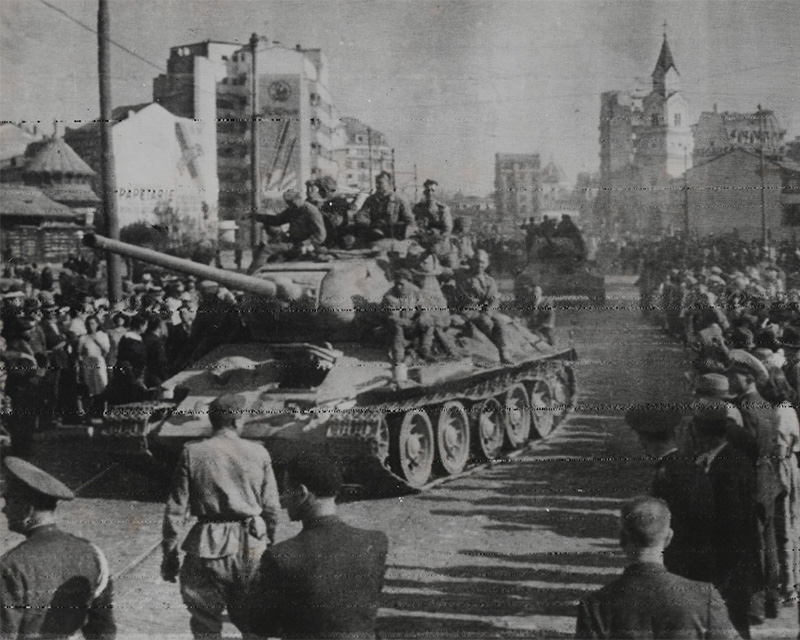
Romania and Hungary joined the Axis in the early 1940s, driven by territorial revisionism. Romania aligned with Germany to reclaim territories lost to the Soviet Union and joined the Axis by late 1940; its troops supported German operations on the Eastern Front (worldhistoryedu.com). Similarly, Hungary, aiming to reverse the Treaty of Trianon, entered the Axis and participated in invasions of Yugoslavia and the Soviet Union (worldhistoryedu.com). As the tide turned in 1944, both states shifted. Romania overthrew its pro-Axis leadership in August 1944 and joined the Allies, fighting alongside the Soviets thereafter (worldwardocs.com). Bulgaria’s shift occurred around September–October 1944 (britannica.com).
Hungary, heavily occupied by Germany, eventually capitulated only after full Red Army occupation by early 1945 (encyclopedia.ushmm.org).
Kosovo and inter‑ethnic conflict amid shifting control
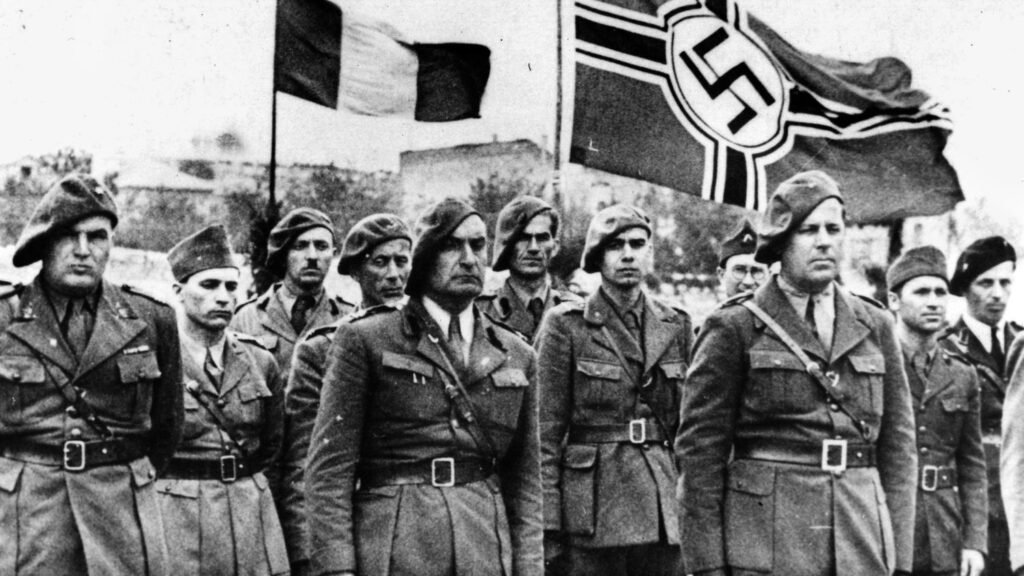
Kosovo endured intense volatility during World War II. Following Yugoslavia’s April 1941 collapse, Kosovo was divided among Italian‑controlled Albania, German zones, and Bulgaria (en.wikipedia.org). During occupation, Albanian and Bulgarian collaborators persecuted Serb and Montenegrin populations: an estimated 10,000 were killed, while 70,000 to 100,000 were deported or sent to concentration camps (en.wikipedia.org). In late 1943, as Italy collapsed, Germany took direct control. In November 1944, Soviet declaration of war against Bulgaria and a coup therein enabled three Bulgarian armies, alongside Yugoslav and Albanian communists, to occupy Kosovo (en.wikipedia.org).
In the Bujan Conference (New Year 1943–44), Albanian and Yugoslav communists agreed that Kosovo should decide democratically whether to remain with Albania or Serbia—a principle quickly ignored by Tito’s Yugoslav government, sparking rebellion. Shaban Polluzha, initial partisan ally, turned insurgent and was killed; some 20,000 Albanian resistors faced force before the region was pacified in six months (en.wikipedia.org).
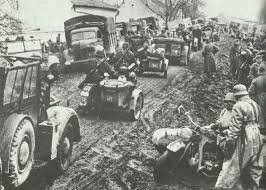
The End Game
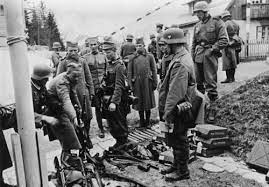
Overall, the Balkans’ geopolitical situation before and during World War II drove an intricate pattern of alignments, occupations, and resistance. Bulgaria and Romania joined the Axis to pursue national ambitions but reversed course as defeat loomed. Yugoslavia, Greece, and Albania suffered invasions, yet mounted significant partisan resistance that the Allies increasingly supported. Regions like Kosovo endured brutal ethnic conflict amid shifting occupation and ideological battles. Ultimately, the Balkans exemplified the complexity of wartime loyalties: local goals, foreign pressure, and survival shaped whether nations allied, resisted, or wavered in the face of global conflict. The geopolitical dynamics in the Balkans deeply influenced regional trajectories and post‑war outcomes.