

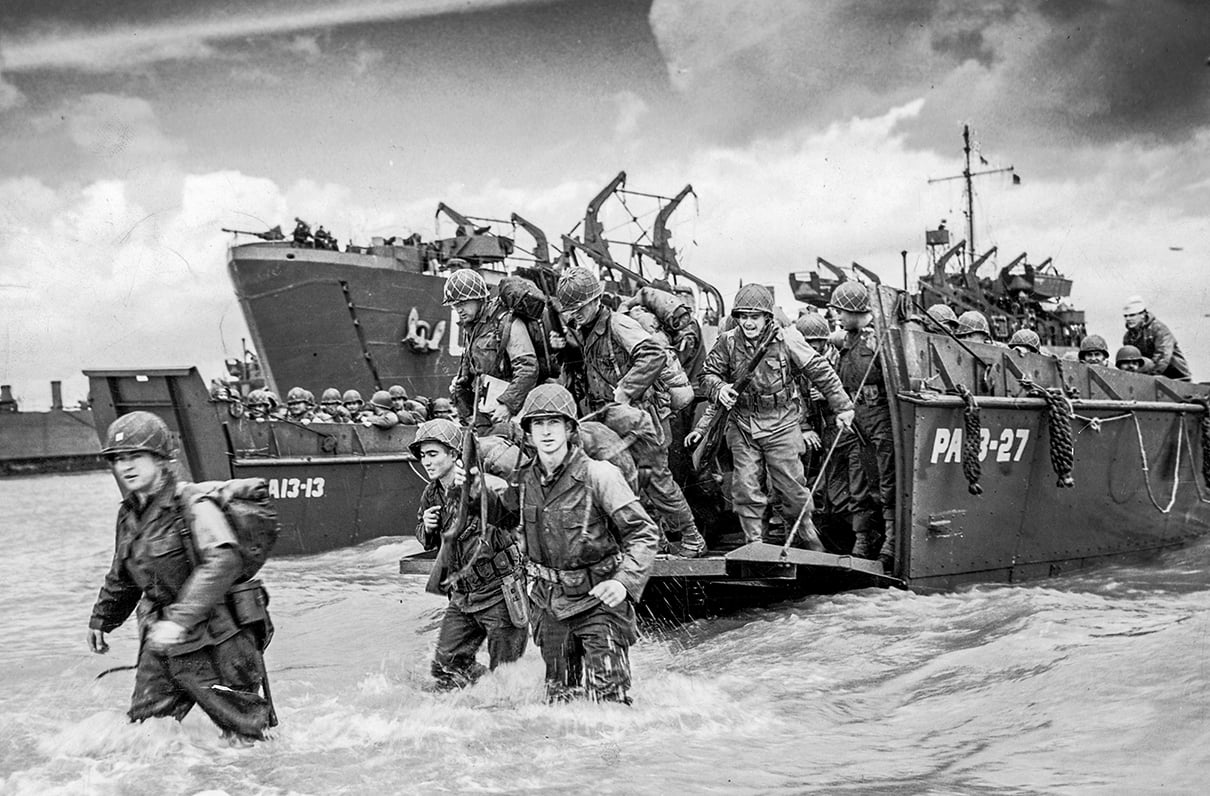
2nd Rangers at Pointe du Hoc exemplified extraordinary courage and sacrifice on D‑Day by scaling steep cliffs, disabling German artillery, and holding the position against fierce counterattacks.
Introduction
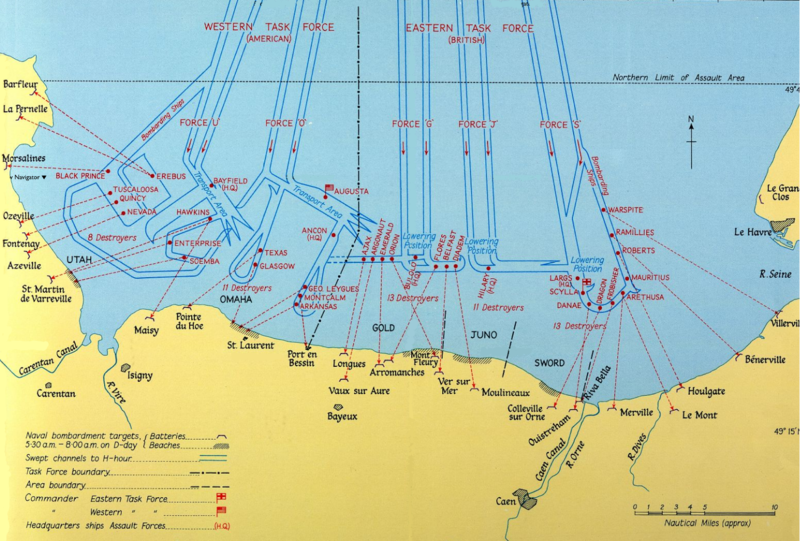
On June 6, 1944, the 2nd Ranger Battalion, under Lieutenant Colonel James E. Rudder, executed a daring assault on Pointe du Hoc, scaling steep cliffs to neutralize German coastal guns threatening Utah and Omaha Beaches. This focused operation by the 2nd Rangers at Pointe du Hoc combined precision, bravery, and relentless defense. Despite navigational errors delaying the landing and heavy enemy fire inflicting severe casualties, the Rangers discovered the guns removed from their emplacements, found them concealed nearby, and disabled them under fire. They then withstood intense German counterattacks until relief arrived on June 8.
Moreover, their actions helped shield the landing zones and remain among the most iconic feats of D‑Day.
Background and Mission Planning
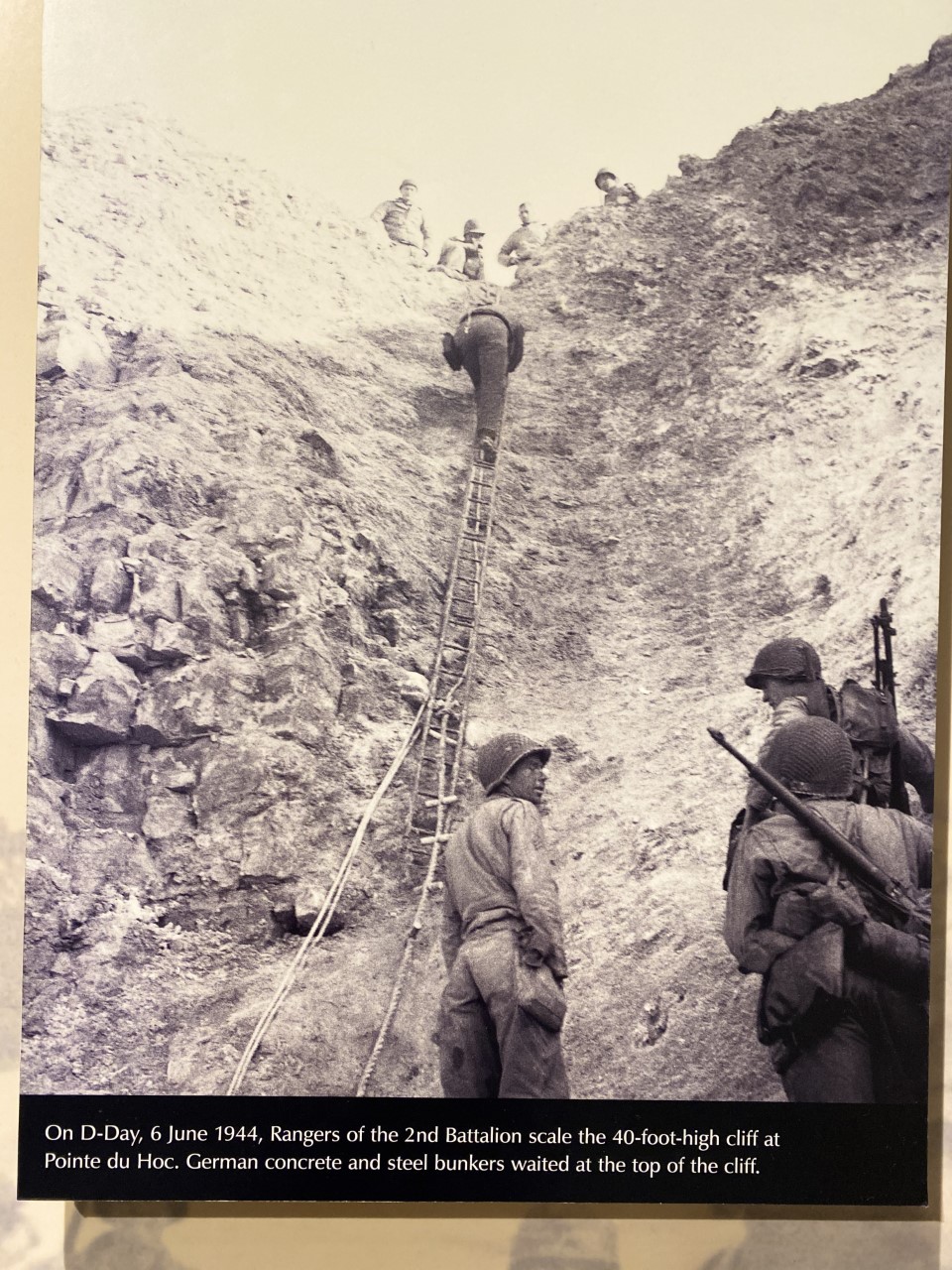
The mission of the 2nd Rangers at Pointe du Hoc stemmed from Allied intelligence identifying six 155 mm German guns positioned on a cliff that could rake both Utah and Omaha Beaches. Consequently, Lieutenant Colonel James E. Rudder’s 2nd Ranger Battalion was assigned to land early on D‑Day and scale the 100‑foot (30 m) cliffs to destroy those guns before the amphibious landings proceeded (en.wikipedia.org). The strategy hinged on precision, surprise, and speed. Company D, E, and F formed the assault force—“Force A”—tasked with the cliff climb.
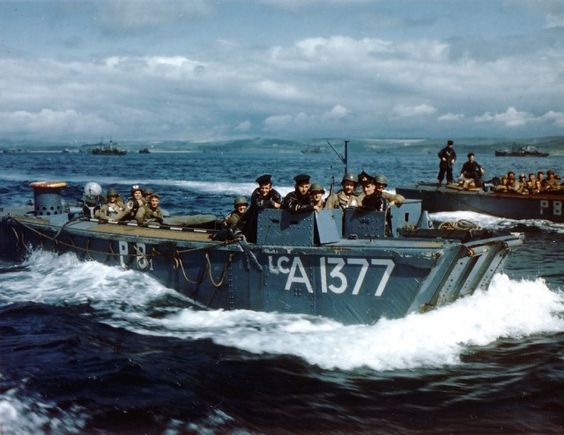
Meanwhile, Companies A and B of the 2nd Rangers plus the entire 5th Ranger Battalion stood ready to reinforce or divert to Omaha Beach if the mission faltered (warfarehistorynetwork.com). Training had included cliff climbing exercises on the Isle of Wight under British Commando instruction, underscoring the mission’s difficulty and highlighting the Rangers’ specialized preparation (en.wikipedia.org). However, timing and navigation proved problematic. The flotilla carrying the 2nd Rangers missed their rendezvous, resulting in a delay of nearly an hour. This error meant that support from other Ranger forces never materialized at Pointe du Hoc and instead landed on Omaha Beach (en.wikipedia.org).
Overall, the force of 225 Rangers faced formidable odds in their daring assault under enemy fire with no immediate relief in sight.
The Assault and Cliff Scaling
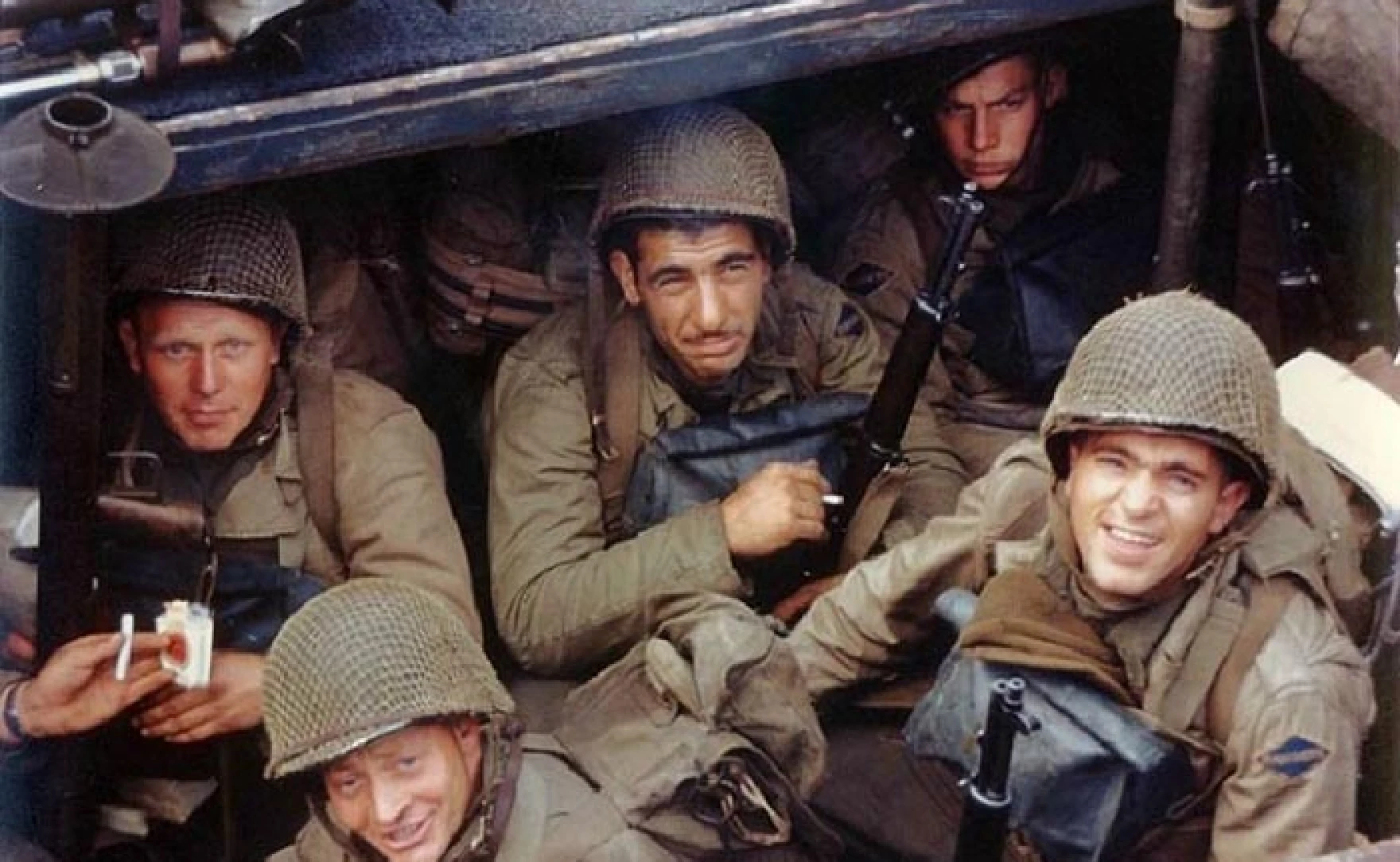
At dawn on June 6, the Allies conducted a heavy bombardment of Pointe du Hoc, including over 250 shells from the battleship USS Texas, followed by visual chaos when landing craft approached under fire (warhistoryonline.com). The 2nd Rangers disembarked under machine‑gun and grenade fire. Fifteen Rangers were killed or wounded in the initial landing, as they moved across the cratered beach and prepared to scale the cliff (150th.com). They employed rope ladders, grappling hooks, and bayonet-cleared footholds, often climbing with bare hands amid whizzing bullets and falling debris. Some Rangers improvised on the cliff with bayonets while ladders were raised manually.
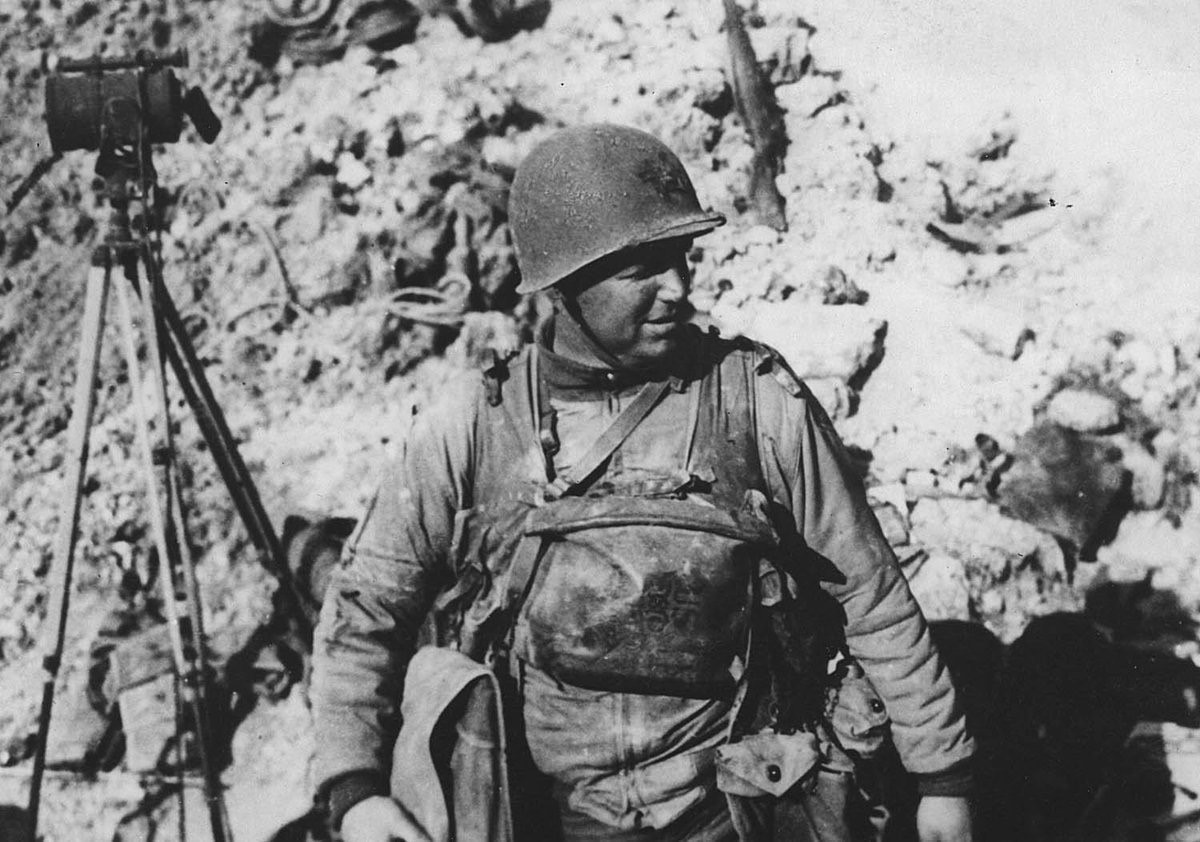
Within 15 minutes of scaling, many reached the top and overcame German defenses, including observation posts and bunker emplacements (warfarehistorynetwork.com). By approximately 07:40, most of the assault force had secured the rim, despite the ferocious resistance and broken communications (warhistoryonline.com). The successful assault showcased the Rangers’ tenacity. Nonetheless, they knew that reaching the summit was only the beginning—they were now isolated and exposed without planned reinforcements.
Discovery and Destruction of the Guns
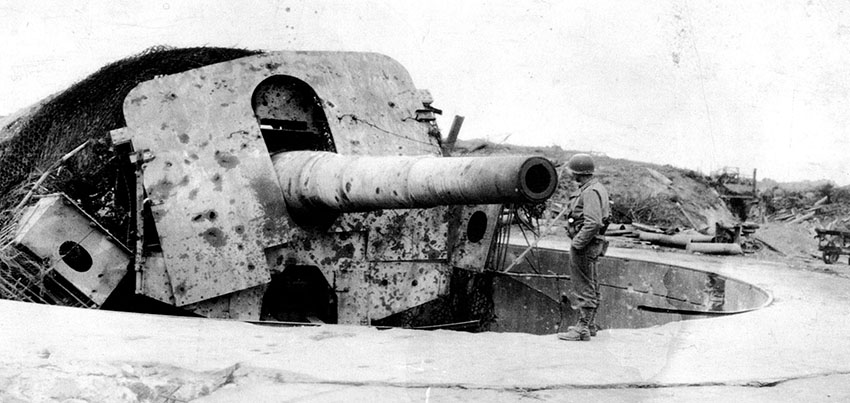
Upon reaching the top, the Rangers discovered that the battery emplacements were empty. The main objective appeared gone, replaced with wooden decoys or telephone poles meant to mislead attackers (en.wikipedia.org). Refusing to accept defeat, patrols were dispatched inland. First Sergeant Leonard Lomell led one patrol into an orchard approximately 550 m south of the Pointe, where he located five still-operational 155 mm guns hidden from sight (en.wikipedia.org). Without hesitation, they destroyed the guns using thermite grenades, disabling their firing systems and preventing their use against Allied landings (en.wikipedia.org). Lomell was later credited by historian Stephen Ambrose as nearly as pivotal to D‑Day’s success as General Eisenhower himself (en.wikipedia.org).
Thus, the 2nd Rangers at Pointe du Hoc achieved their mission under lethal conditions and demonstrated exceptional resourcefulness and resolve.
Defense Against Counter‑Attacks
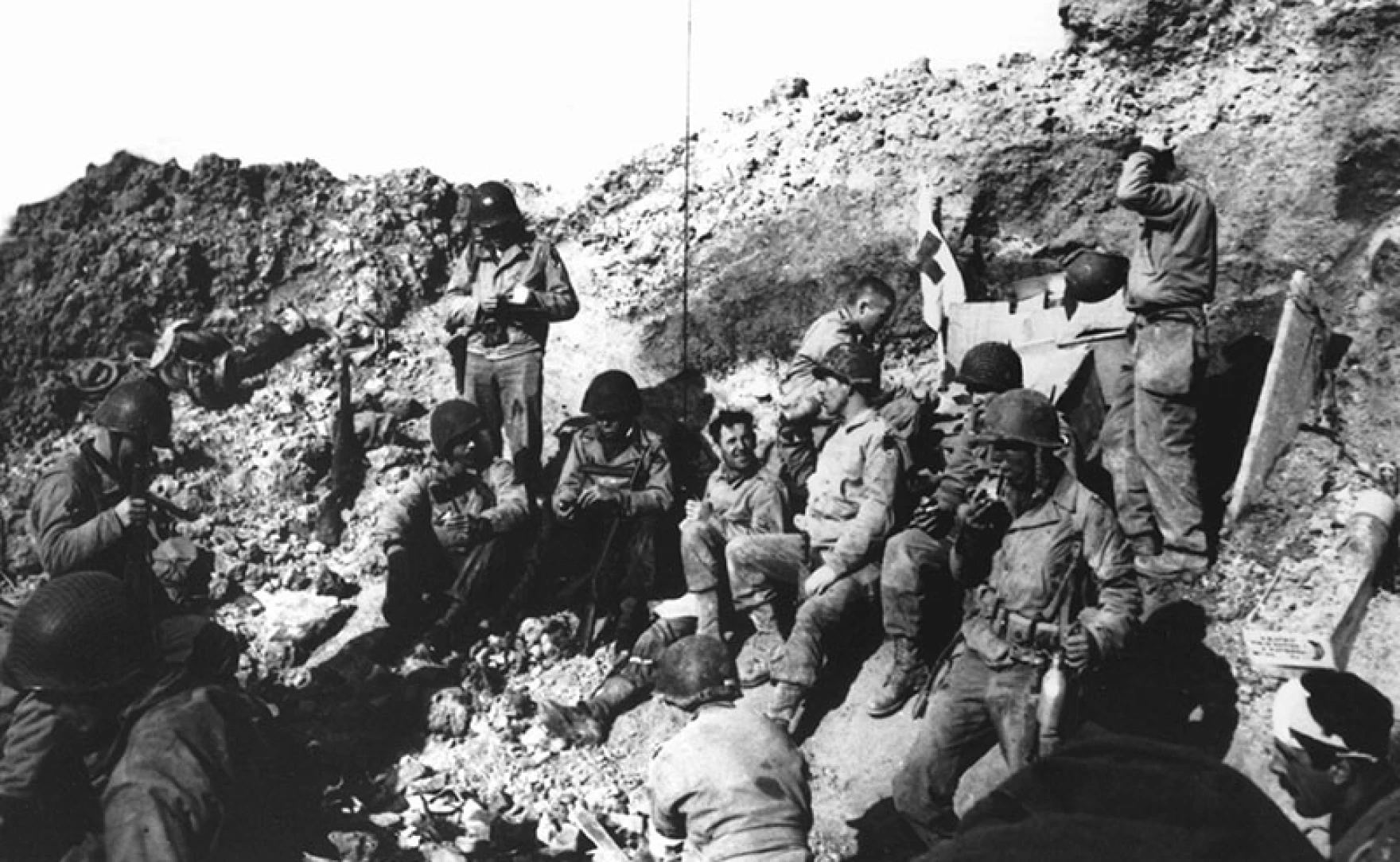
Once the guns were disabled, the Rangers focused on defense. The Germans launched multiple counter‑attacks, using seasoned troops familiar with the terrain. The Rangers, low on ammunition and isolated, held their ground through the night of June 6–7 (en.wikipedia.org). By dawn on June 7, only about 90 Rangers remained combat effective—down from the initial 225 (en.wikipedia.org). Misidentification occurred when the Rangers began using captured German weapons; some were mistakenly fired upon by friendly forces despite waving American flags to signal identity (warfarehistorynetwork.com). Supply lines were strained; yet, they constructed roadblocks, fortified positions, and held critical cliffs against mounting pressure (warfarehistorynetwork.com).
The decisive moment came early on June 8 when reinforcements—Companies A, B of the 2nd Rangers, 5th Rangers, and 29th Infantry Division units—finally arrived from Omaha Beach and relieved the embattled force (en.wikipedia.org). Their endurance was honored with a Presidential Unit Citation for extraordinary performance of duty in action (warfarehistorynetwork.com).
Aftermath and Legacy
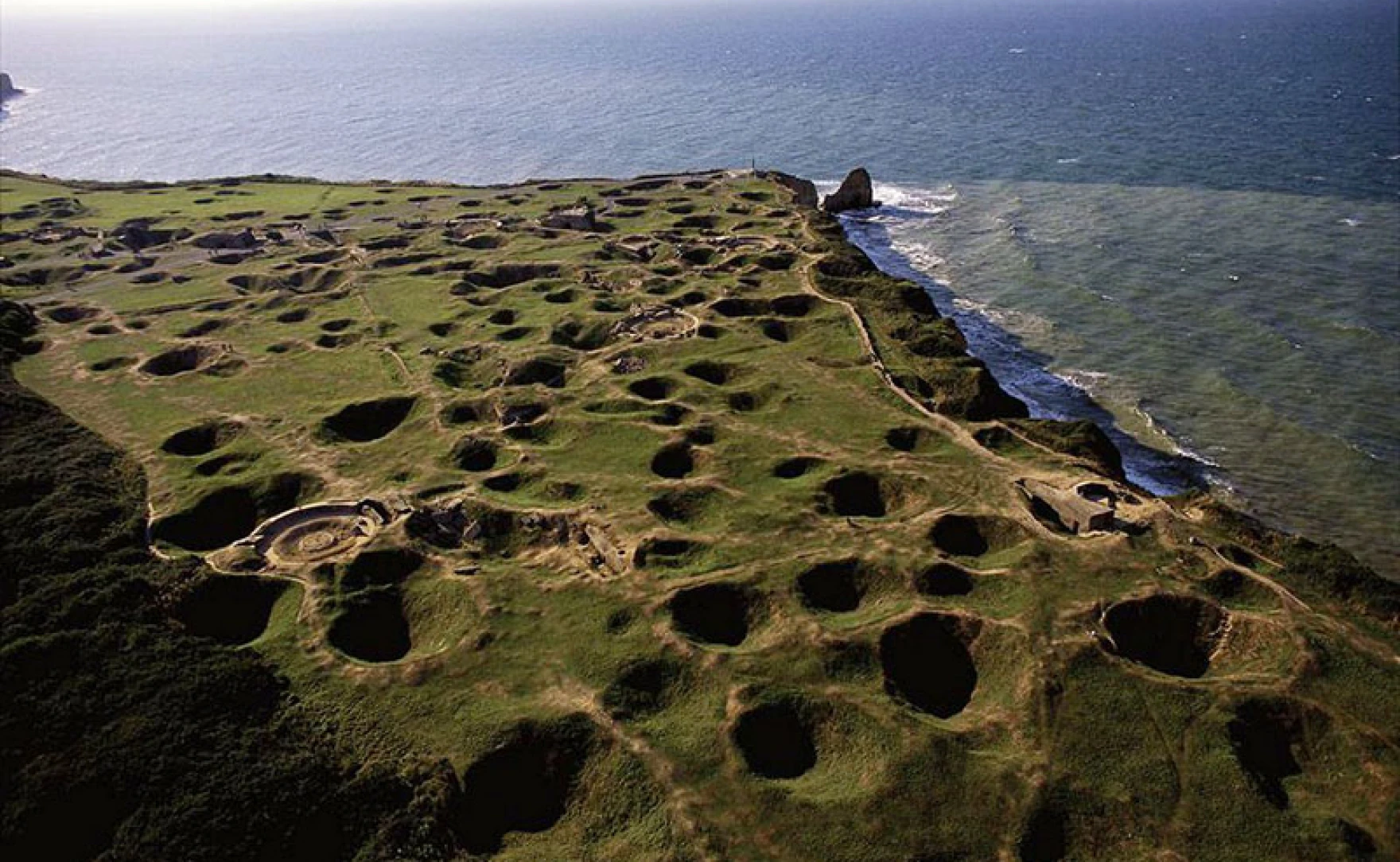
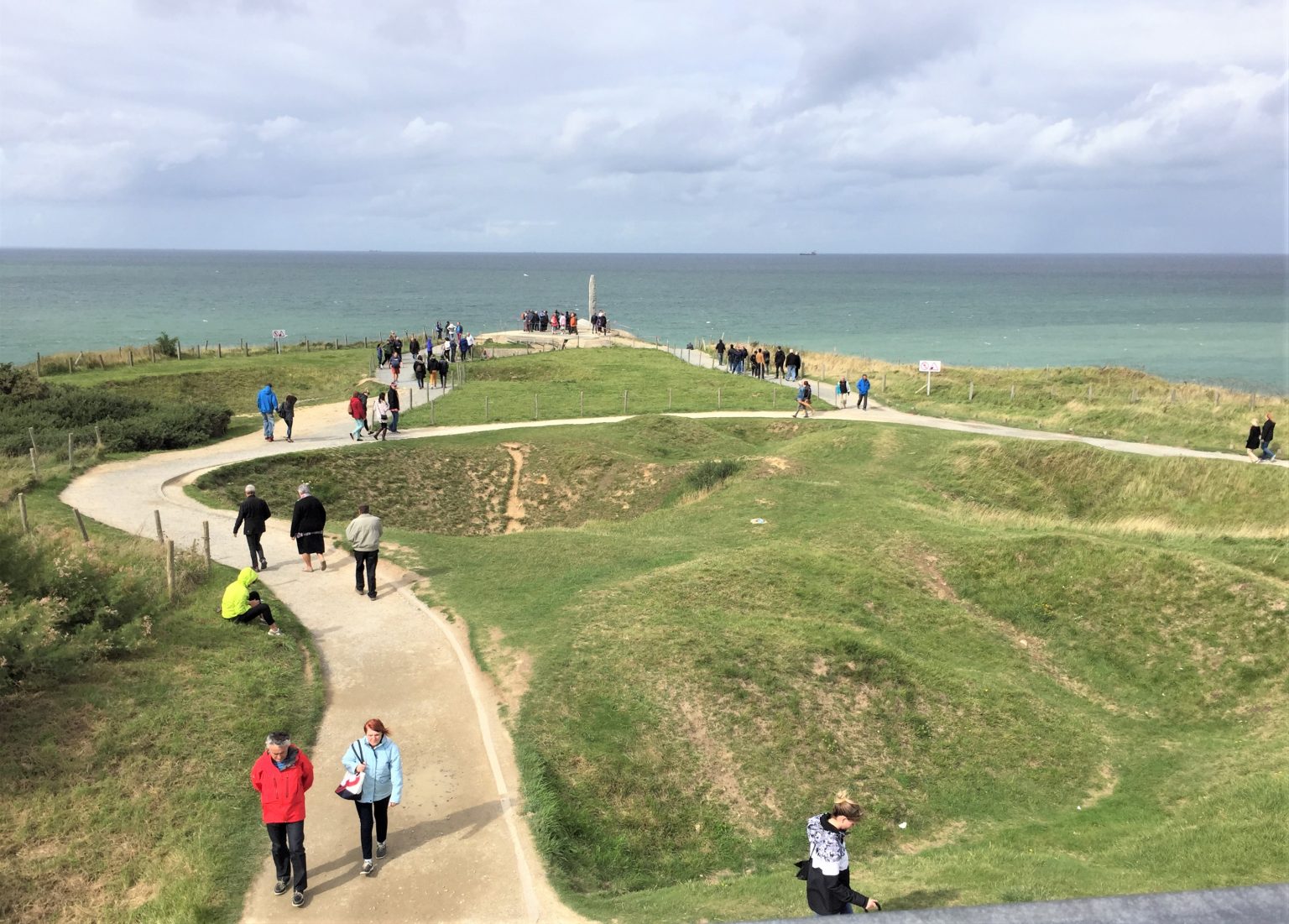
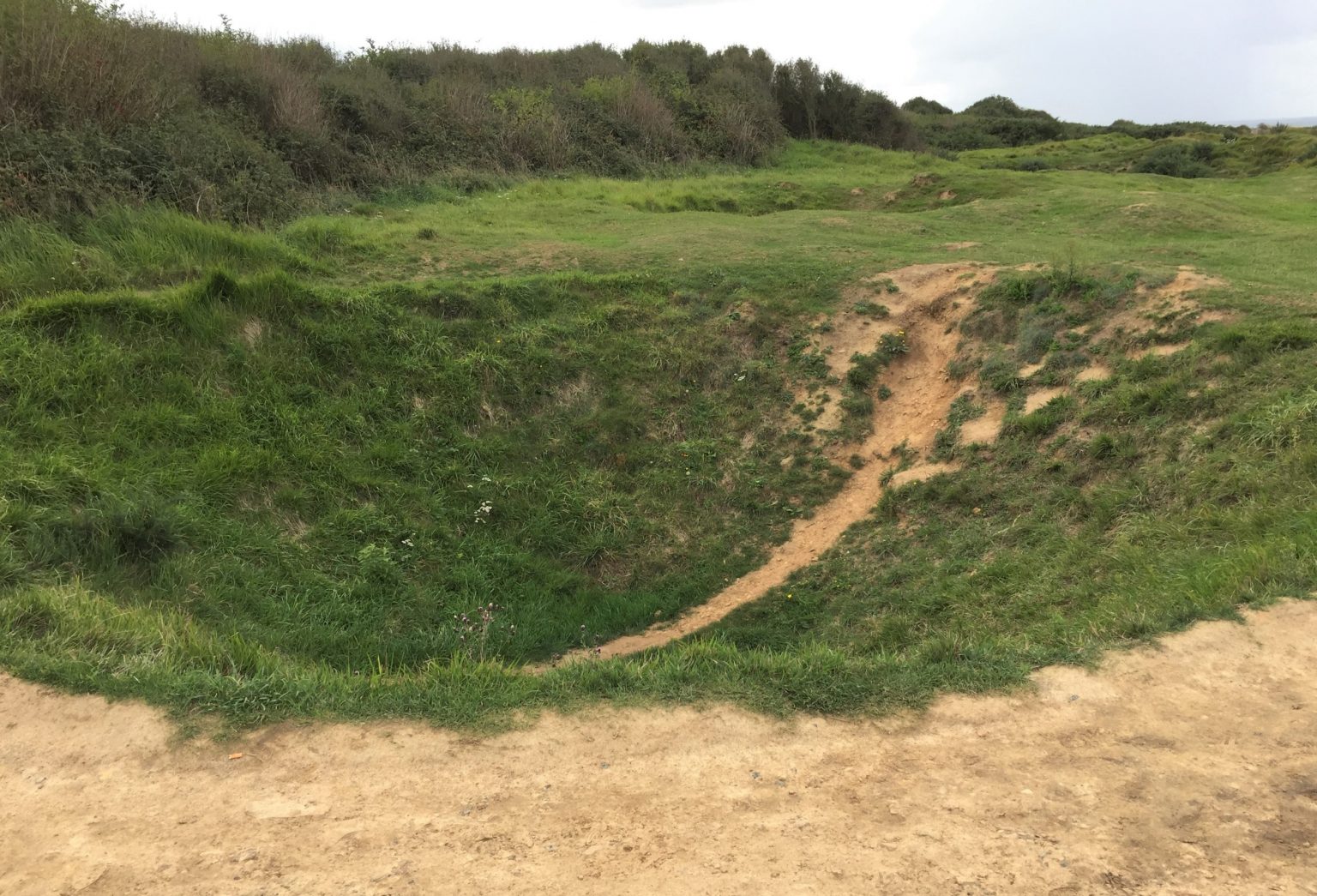
By the conclusion of the battle, Rangers suffered approximately 77 killed, 152 wounded, and additional missing-in-action, reflecting casualty rates above 50 percent (washingtonpost.com). German casualties included over 50 killed during counter‑attacks and around 40 captured, with unknown numbers of French collaborators executed (en.wikipedia.org). The site later became a memorial and museum preserved largely in its wartime condition, with bomb craters, bunkers, and memorial pylon maintained by the American Battle Monuments Commission after being transferred to U.S. control on January 11, 1979 (en.wikipedia.org). The events at Pointe du Hoc are considered among the most iconic D‑Day actions. Rudder earned the Distinguished Service Cross and later became president of Texas A&M University, symbolizing valor and leadership (washingtonpost.com).
The valor of the 2nd Rangers at Pointe du Hoc continues to inspire, commemorated by monuments, films, and educational efforts worldwide, underscoring their critical role in securing Normandy and the success of Operation Overlord.
Conclusion
In summary, the 2nd Rangers at Pointe du Hoc carried out a mission defined by immense bravery under fire. They scaled 100‑foot cliffs, located and destroyed critical German artillery, and endured ferocious counter‑attacks against overwhelming odds. Moreover, their unwavering defense enabled the success of the larger D‑Day landings on Utah and Omaha Beaches. The legacy of the 2nd Rangers at Pointe du Hoc remains emblematic of courage, sacrifice, and tactical excellence, reminding us that extraordinary resolve in small units can alter the course of history.