

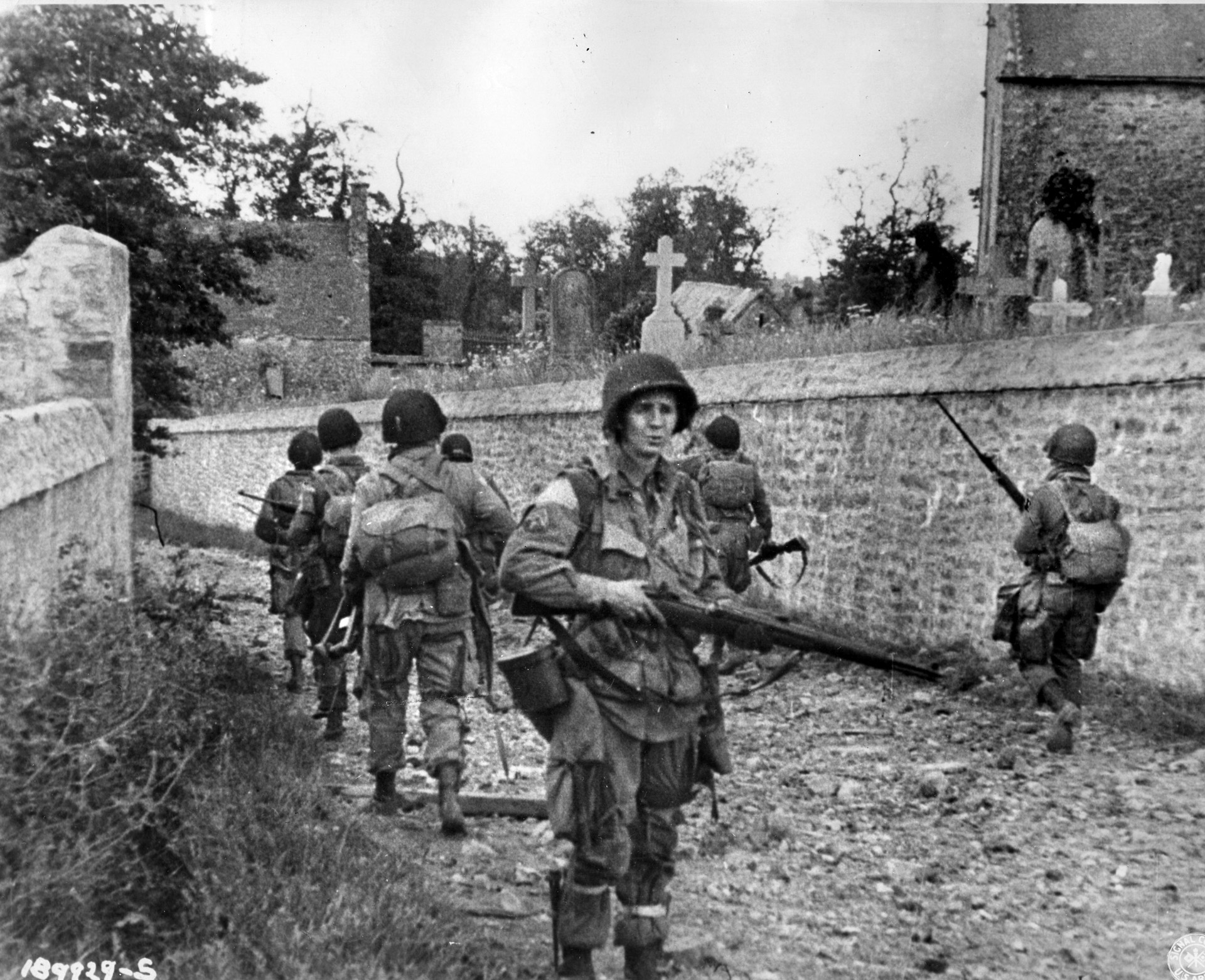
The 82nd Airborne Division’s seizure of Sainte‑Mère‑Église, key bridges, and road networks was crucial to the success of the Normandy invasion by securing Allied inland access, disrupting German defenses, and protecting Utah Beach’s flank.
Introduction
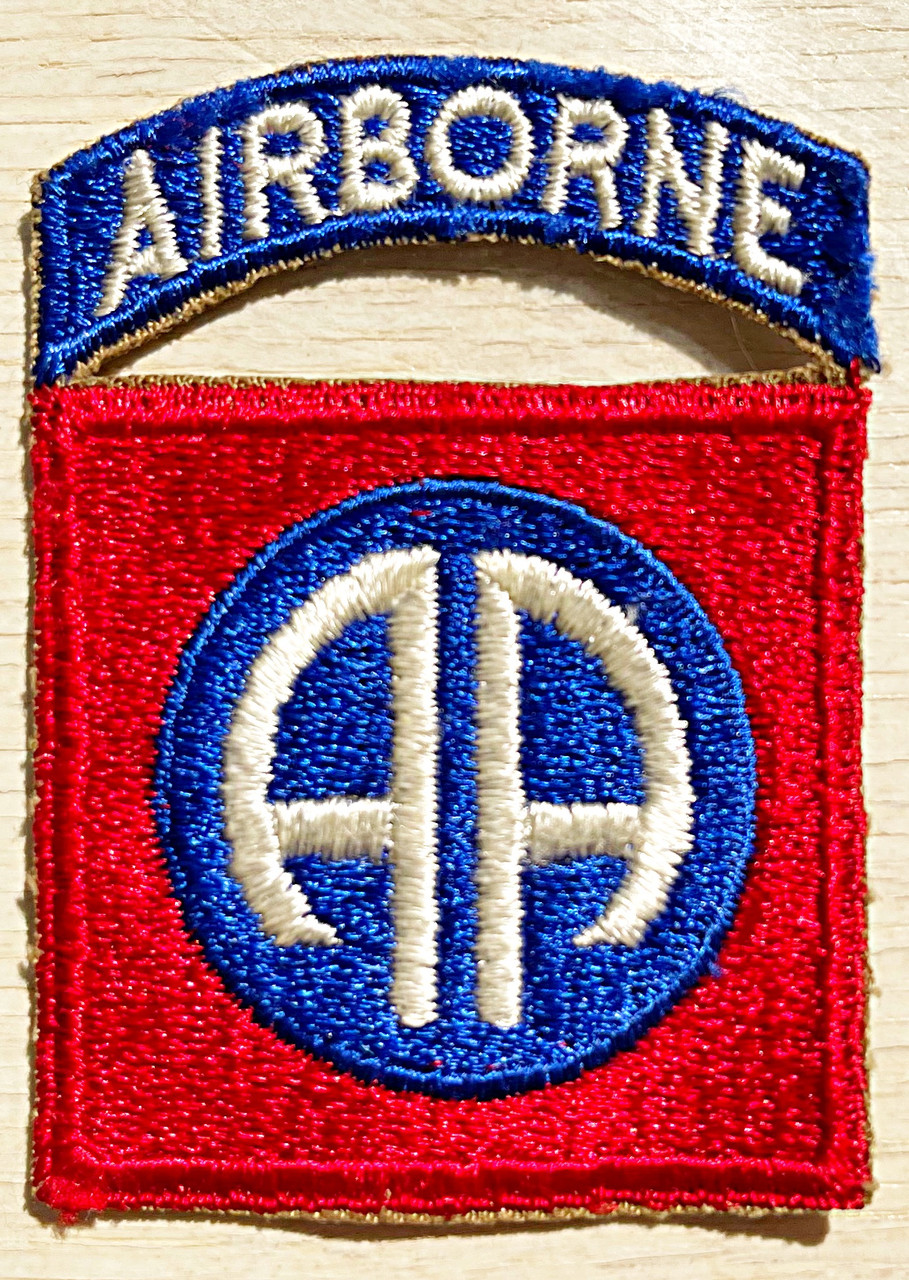
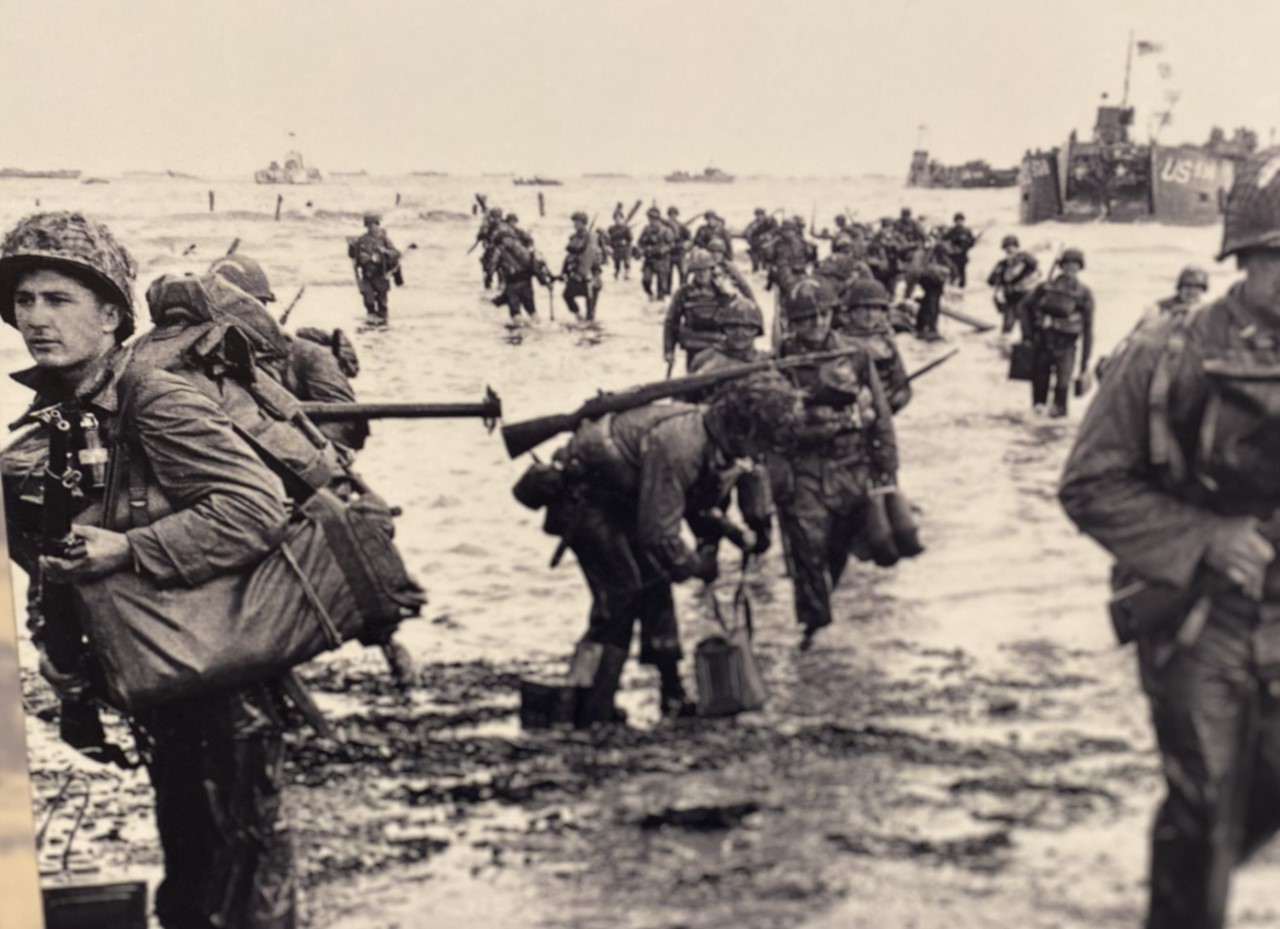
On June 6, 1944, the 82nd Airborne Division executed Operation Boston, deploying approximately 6,420 paratroopers into Normandy to capture Sainte‑Mère‑Église and vital river crossings, thereby enabling the Allied breakout from Utah Beach. The 82nd Airborne Normandy importance is evident in how the division seized key infrastructure, disrupted German responses, and held critical terrain under intense enemy pressure. Moreover, their actions forced German units to divert resources inland, protecting the amphibious assault forces. The 82nd’s airborne assault, despite scattered drops and heavy casualties, ultimately helped establish the beachhead’s western flank and pave the way for the 4th Infantry Division’s advance inland.
Operation Boston: Establishing the Airborne Foothold
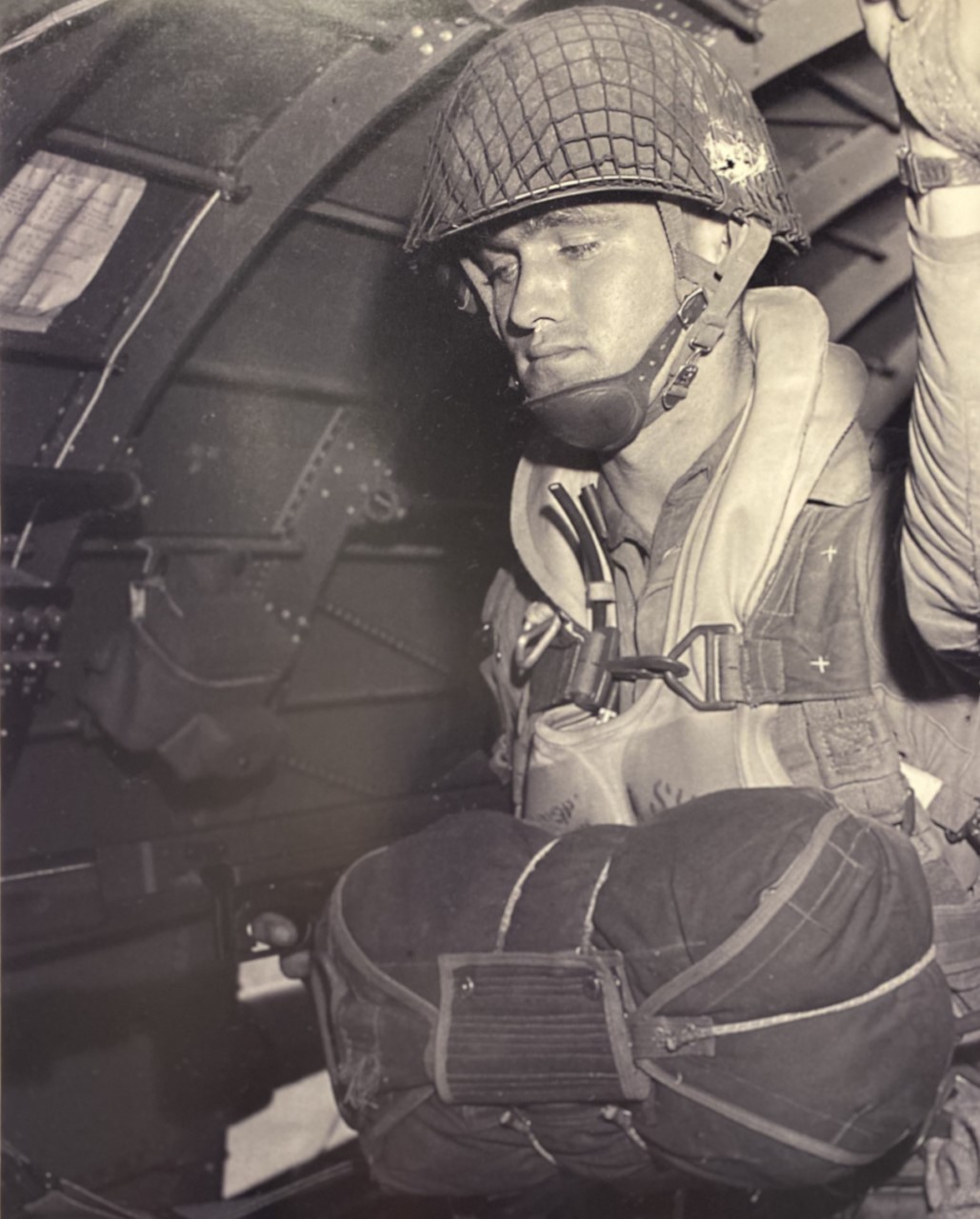
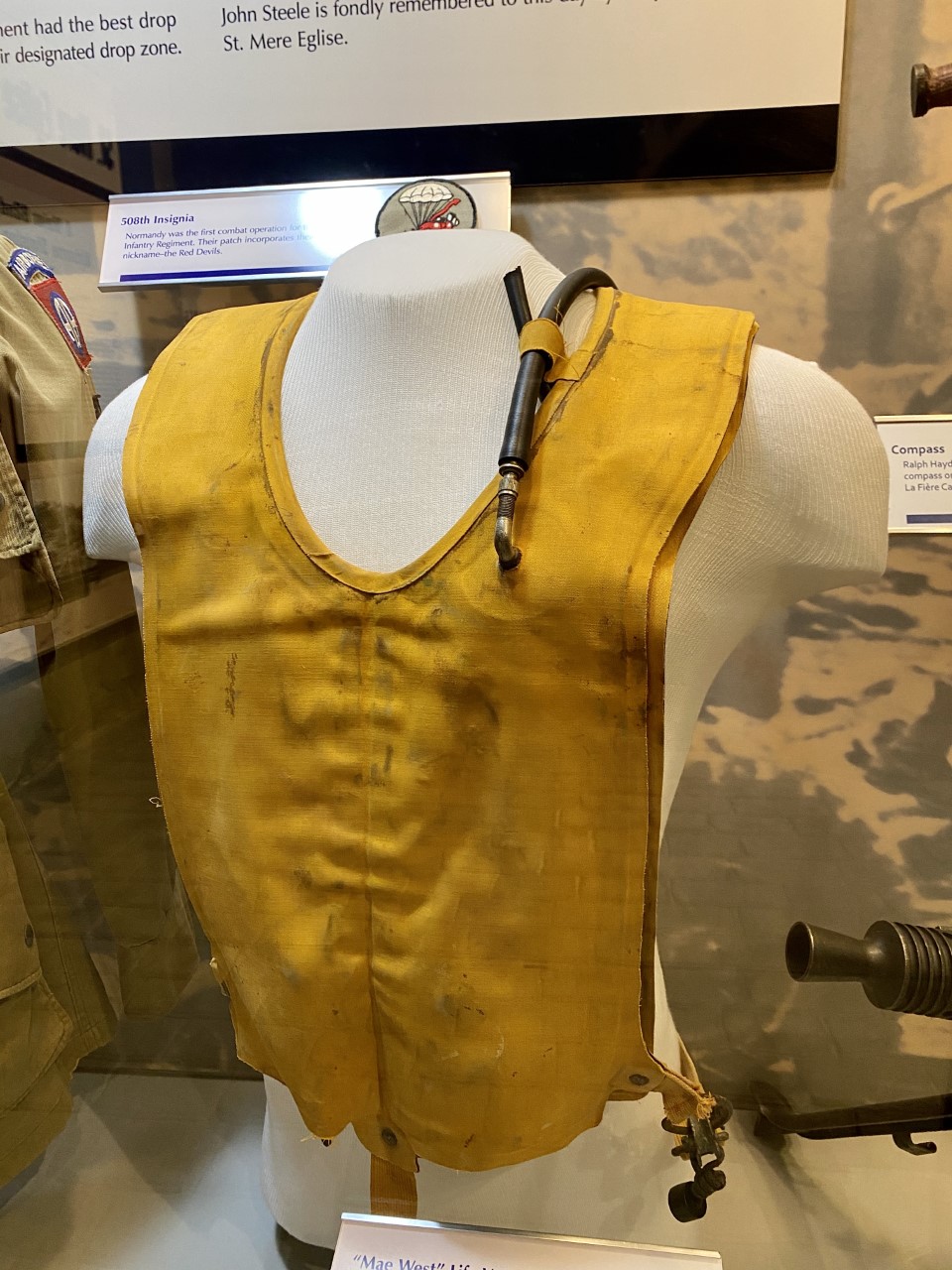
Operation Boston, conducted by the 82nd Airborne Division under Major General Matthew Ridgway, commenced at approximately 01:51 on June 6, 1944, deploying around 6,420 paratroopers via nearly 370 C‑47 aircraft in the opening phase of the Normandy invasion. This airborne assault aimed to seize Sainte‑Mère‑Église along with critical bridges and crossroads west of the Merderet River. Notably, the 505th Parachute Infantry Regiment achieved exceptional accuracy, with half its soldiers landing within one mile of the drop zone and 75 percent within two miles, largely thanks to pathfinder beacon guidance. In contrast, the 508th experienced the most scattered drops of any regiment.
These initial maneuvers underlie the 82nd Airborne Normandy importance by showing how the division forced its way into enemy-controlled hinterland ahead of the seaborne landings. (en.wikipedia.org)
Securing Sainte‑Mère‑Église and Blocking Counterattacks
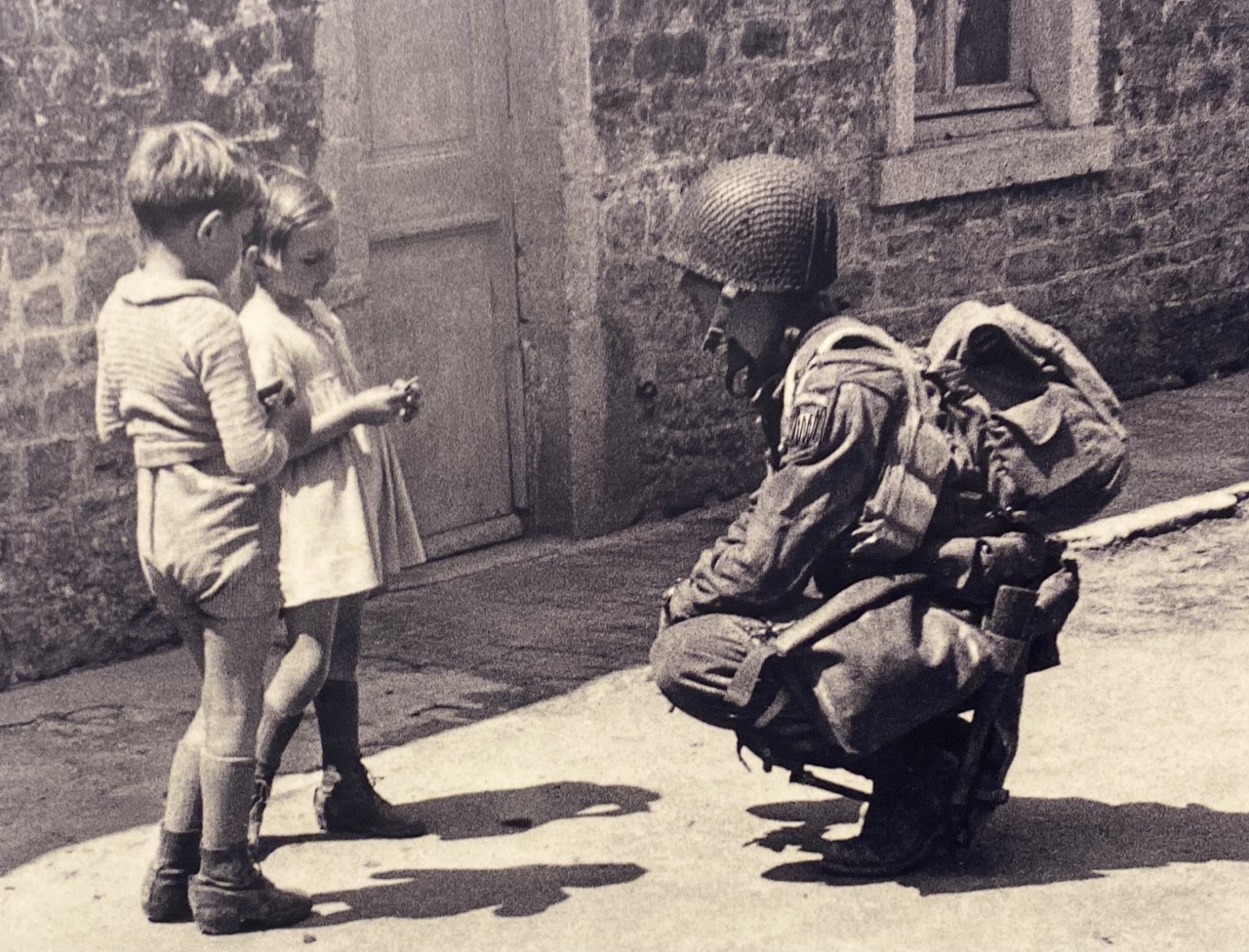
Capturing Sainte‑Mère‑Église—France’s first liberated town on D‑Day—was vital to controlling road networks emanating from the Cotentin Peninsula. Paratroopers from the 82nd Airborne held this crossroads under intense fire, setting up defensive lines from Neuville to Baudienville and blocking German approaches along the Merderet River. Their efforts prevented enemy reinforcements from disrupting the landings at Utah Beach, proving central to the Allied flank’s defense. Overall, this stronghold forged a stable inland anchor for advancing seaborne forces, demonstrating the strategic weight of the 82nd Airborne Normandy importance. (dday-overlord.com)
Bridge Operations: Controlling Key Waterways
The 82nd had orders to seize or destroy bridges over the Merderet and Douve Rivers to forestall German armored movement toward Utah Beach. Paratroopers of the 507th and 508th Regiments captured crossings at La Fière and Chef‑du‑Pont, and destroyed others at Étienville and Beuzeville‑la‑Bastille. These operations denied German units east of the Merderet access to counterattack Allied beachheads. Consequently, controlling or neutralizing these bridges was a testament to the division’s critical role: by securing transportation arteries and denying enemy maneuver space, they ensured minimal interference with the amphibious assault’s inland progression. (dday-overlord.com)
Glider Reinforcements: Mission Elmira and Detroit
In addition to parachute drops, the 82nd Airborne deployed glider-borne reinforcements. Mission Detroit, launched pre-dawn on June 6, delivered divisional headquarters, artillery, engineers, and support troops via glider near Sainte‑Mère‑Église, reinforcing defensive positions. Later that evening, Mission Elmira delivered two battalions of glider artillery and 24 howitzers near LZ W southeast of Sainte‑Mère‑Église. These heavy reinforcements bolstered the division’s firepower and sustainability, enabling them to hold captured terrain and support continued inland operations. Accordingly, glider missions accentuate the 82nd Airborne Normandy importance by demonstrating how airborne forces rapidly established a reinforced, integrated position behind enemy lines. (en.wikipedia.org)
Cost of Success and Sustained Combat
Despite their achievements, the 82nd endured heavy casualties. On D‑Day alone, the division suffered approximately 1,259 casualties—156 killed, 347 wounded, and 756 missing. By June 30, total losses mounted to about 4,480 killed, wounded, or missing—nearly half the division’s strength in Normandy. Nonetheless, they held the line continuously for over 33 days without relief, never relinquishing captured ground. Their endurance under sustained combat underscores the 82nd Airborne Normandy importance: their sacrifices not only granted tactical advantage but also anchored the fragile beachhead during its most vulnerable phase. (en.wikipedia.org)
Conclusion
In sum, the 82nd Airborne Normandy importance cannot be overstated. By launching Operation Boston, the division secured Sainte‑Mère‑Église, essential bridges, and road networks, directly protecting Utah Beach’s flank. Their glider-borne artillery and support reinforcements via Missions Detroit and Elmira sustained combat operations, while their resilience under massive casualties held the inland position. Consequently, the 82nd Airborne Division played a central, indispensable role in the success of the Normandy invasion and in forging the Allied advance into occupied France.