Introduction
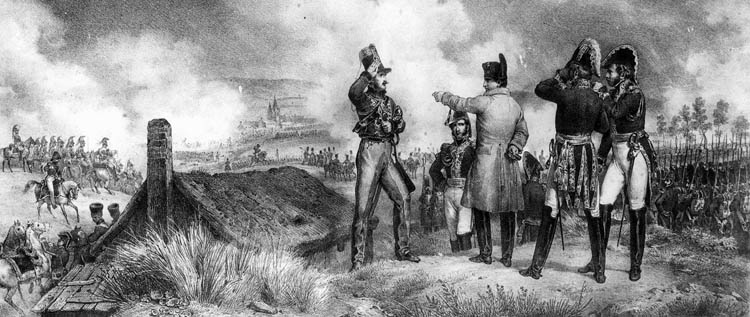
The Battle of Quatre Bras took place on June 16, 1815. It happened just two days before Waterloo. Napoleon’s forces sought to split the Allies. The clash involved the French under Marshal Ney against Wellington’s Anglo-Allied army. The battle was fierce, confused, and costly. It was also crucial for the campaign’s outcome.
Background and Strategic Situation
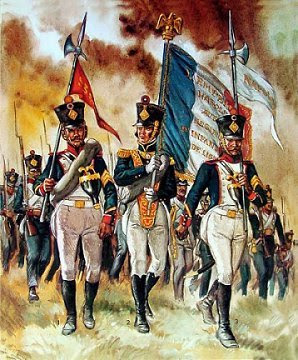
Napoleon returned from exile in 1815. He raised a new army to strike against the Allies. His plan was to divide and defeat them before they united. The Prussian army under Blücher stood east. Wellington’s Anglo-Allied force was west. The French moved swiftly to break the link between them.
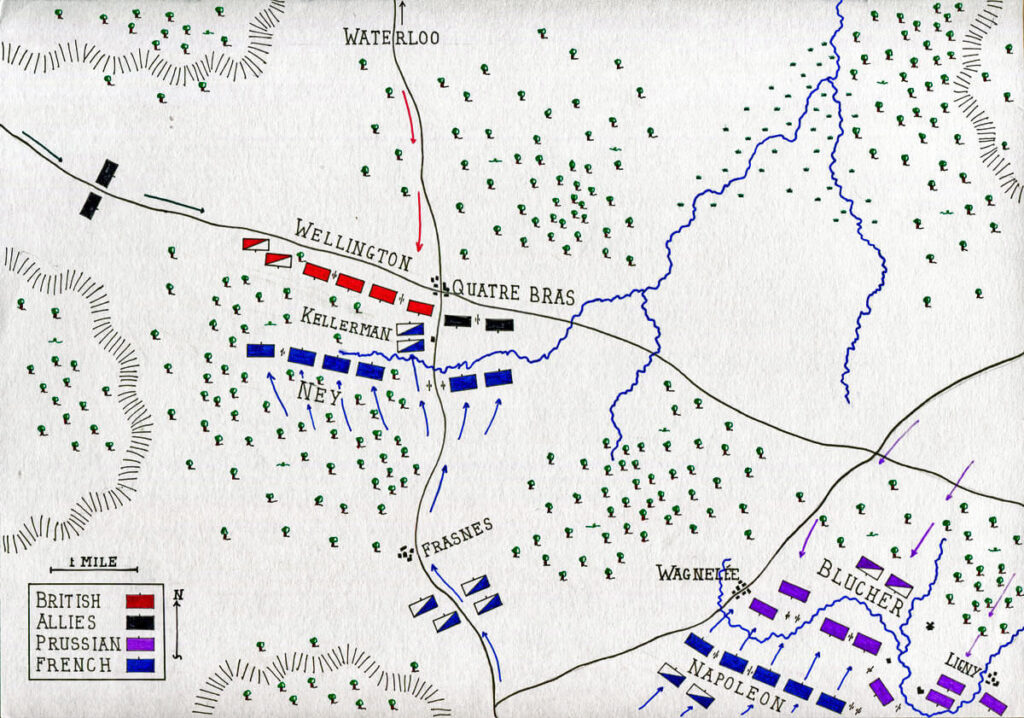
Napoleon advanced through Belgium with speed. His army crossed the Sambre and entered Charleroi. From there, his columns pushed toward Brussels. The crossroads at Quatre Bras were vital. They connected roads leading to both Brussels and Namur. Whoever held Quatre Bras controlled the key routes of advance.
Wellington did not expect Napoleon to move so quickly. Many of his units were still scattered. Ney’s orders were clear: seize Quatre Bras and hold it. If successful, he would block Wellington and prevent a link with Blücher.
Early Morning – June 16, 1815
The morning of June 16 was hot and humid. French forces under Ney began assembling near Frasnes. At first, they moved slowly, waiting for clear instructions. Meanwhile, Wellington was still uncertain about Napoleon’s direction. He had attended a ball in Brussels the night before. Reports of French movements reached him late.
By early morning, Dutch-Belgian forces under Prince Bernhard of Saxe-Weimar reached Quatre Bras. They arrived ahead of the French. The young prince deployed his men across the crossroads. His orders were simple: hold until reinforcements arrived. The Dutch-Belgians faced heavy pressure but refused to abandon the position.
The French Advance
Marshal Ney received word from Napoleon to advance. Yet Ney hesitated, concerned about the size of the enemy force. Around 2 p.m., he finally pushed forward. French infantry and cavalry advanced from Frasnes toward Quatre Bras. Their numbers were superior to the Dutch-Belgians.
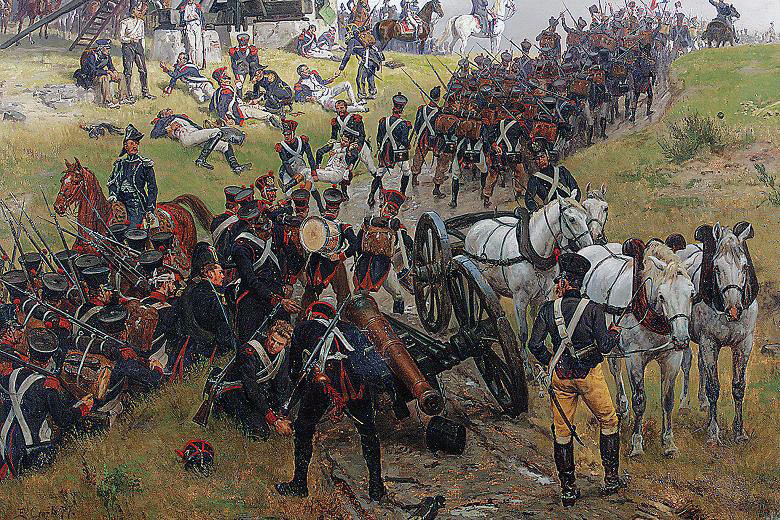
The French opened with artillery fire. Cannonballs tore through the fields of rye and wheat. Skirmishers pushed into the farm buildings and hedges. The Dutch-Belgians resisted with determination, firing from cover. Despite the pressure, they delayed the French advance.
Wellington’s Reinforcements Arrive
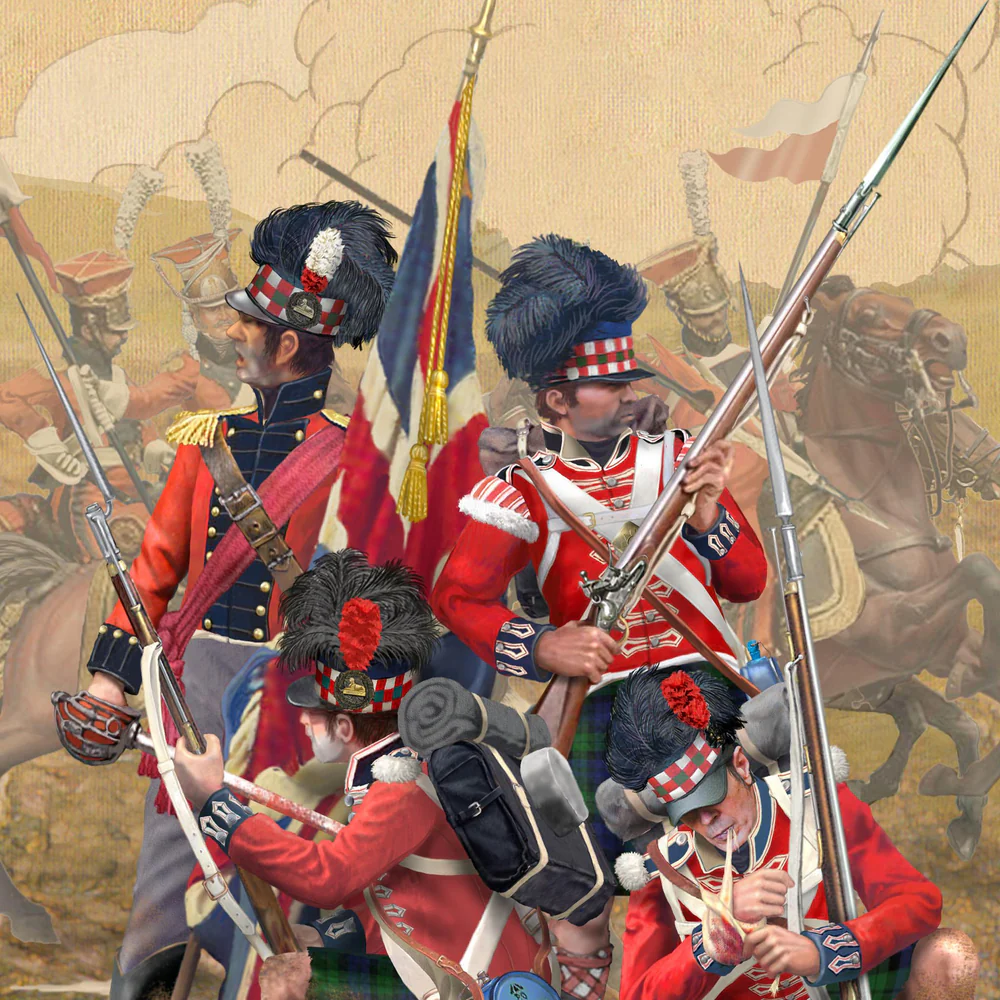
By mid-afternoon, reinforcements began to reach the crossroads. British units under General Picton were among the first. His division included Scottish regiments known for their ferocity. They marched in with pipes playing and bayonets fixed.
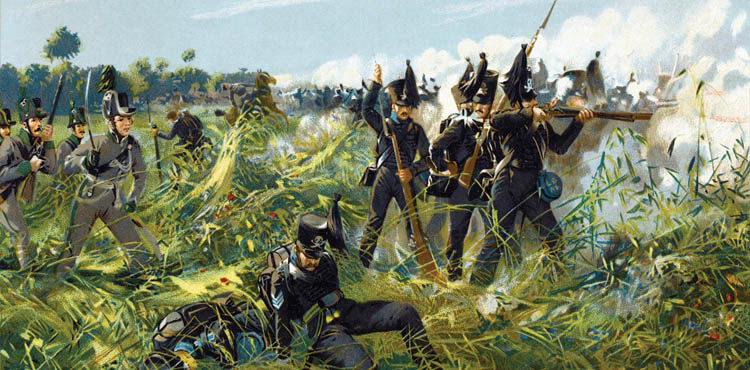
Picton deployed his men into the tall rye fields. The Scots formed line and prepared to resist. Soon after, Brunswick troops arrived. The Duke of Brunswick himself led them. His men wore distinctive black uniforms with skull badges. Together, the Allied line strengthened.
The timing was critical. Ney pressed with more troops, hoping to seize Quatre Bras before Wellington could gather strength. Instead, each wave of French attack met fresh defenders.
Mid-Afternoon – Pressure Mounts
By 3 p.m., the battlefield grew chaotic. Ney pressed hard, sensing an opportunity. His infantry surged through rye fields and hedgerows. Skirmishers traded musket fire with Dutch and Brunswick defenders. The French artillery thundered, throwing iron into the Allied lines.
Despite heavy fire, the Dutch-Belgians clung to their ground. Their officers urged them forward, even as casualties mounted. Each volley slowed the French momentum. Yet, Ney had reserves. More infantry columns pushed forward to break resistance.
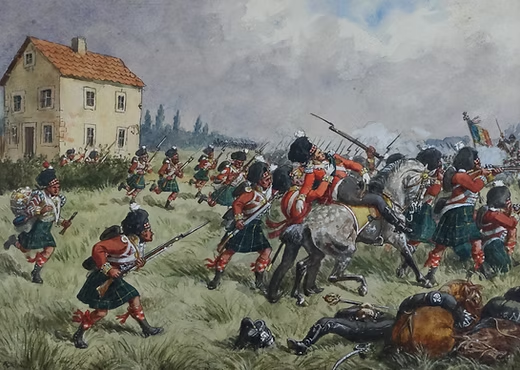
The Scots of Picton’s division stepped up. The 92nd Highlanders and 42nd Black Watch advanced through tall crops. They fired disciplined volleys into French formations. The sound of pipes mingled with musketry. The sight unsettled Ney’s troops, who faced relentless musket fire.
The Brunswickers Enter the Fight
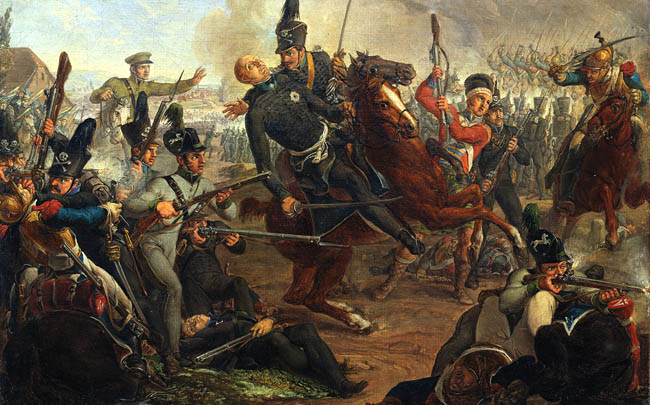
The Duke of Brunswick pushed his black-clad troops into action. Their uniforms bore the skull badge, a reminder of vengeance against Napoleon. The Brunswickers fought fiercely, pouring musket fire into the advancing French.
French cavalry probed their lines, seeking weakness. Sabres flashed in the sun as squadrons charged forward. The Brunswickers held their ground with bayonets and fire discipline. However, casualties were severe. Smoke and dust covered the fields, making control difficult.
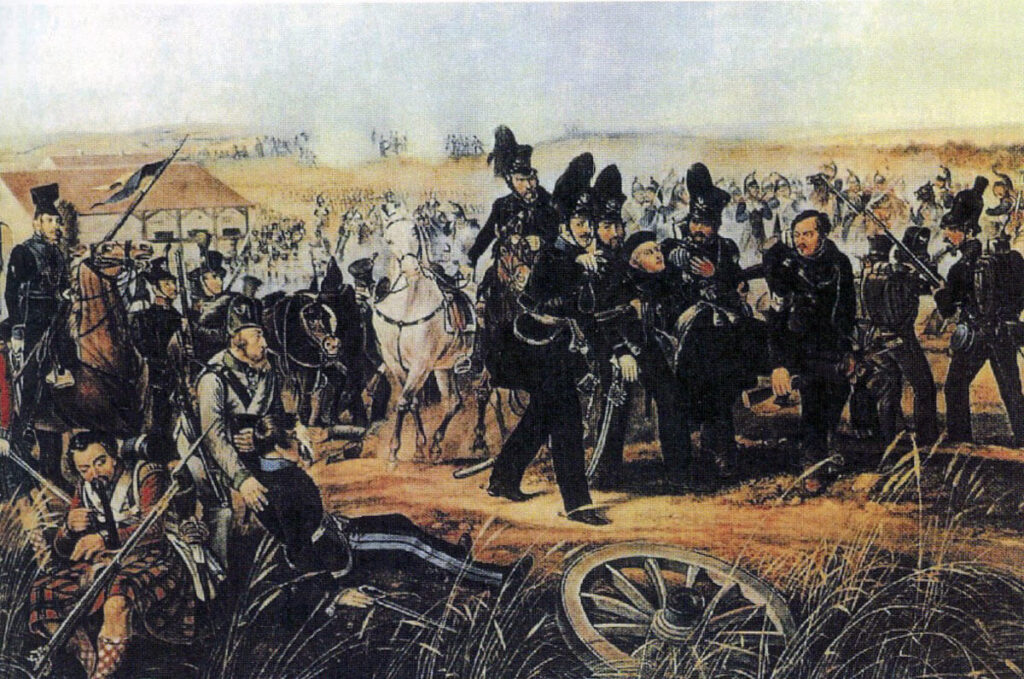
The Duke of Brunswick personally led his men. He was a visible figure on horseback. Yet his bravery brought tragedy. During the fighting, he was struck by a musket ball and killed instantly. His death shocked his men. Despite grief, they continued the struggle with grim resolve.
Wellington Arrives on the Field
Around this time, Wellington finally reached Quatre Bras. He had ridden hard from Brussels, gathering intelligence along the way. At first glance, he saw the seriousness of the fight. The French pressed hard, and the crossroads hung in the balance.
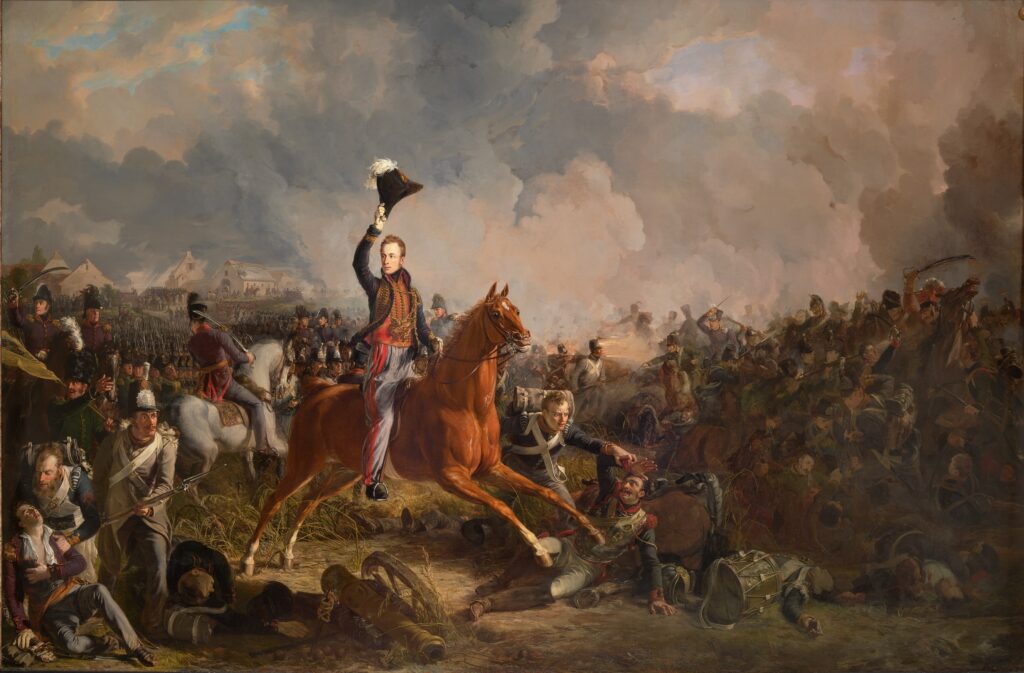
Wellington immediately took command. He moved among his troops, speaking calmly. His presence steadied morale. He ordered reinforcements forward into key positions. His staff rode across the fields, relaying orders. The defense of Quatre Bras became better organized.
The Duke understood the larger situation. He needed to hold Ney here while Blücher fought Napoleon at Ligny. If Ney broke through, the Allied armies could not link. The crossroads was vital for strategy.
Ney Commits More Forces
Ney, frustrated by stiff resistance, fed more troops into the fight. Infantry pressed the Allied center, while cavalry hovered on the flanks. French lancers and cuirassiers prepared for decisive charges.
The Allied defense stretched but did not collapse. Every arrival of reinforcements gave Wellington a lifeline. Dutch units, Scots, and Brunswickers held hedges and farms. French attempts to break through met steady musketry and bayonet lines.
The battle now raged across fields, farms, and orchards. Smoke hung thick, and visibility was poor. Officers struggled to control movements. Soldiers fired at shapes in the haze.
The Crisis at 4 p.m.
By 4 p.m., the battle reached a crisis point. Ney unleashed massed cavalry charges. French cuirassiers, armored in breastplates, thundered across the fields. Lancers followed, their long weapons deadly against infantry.
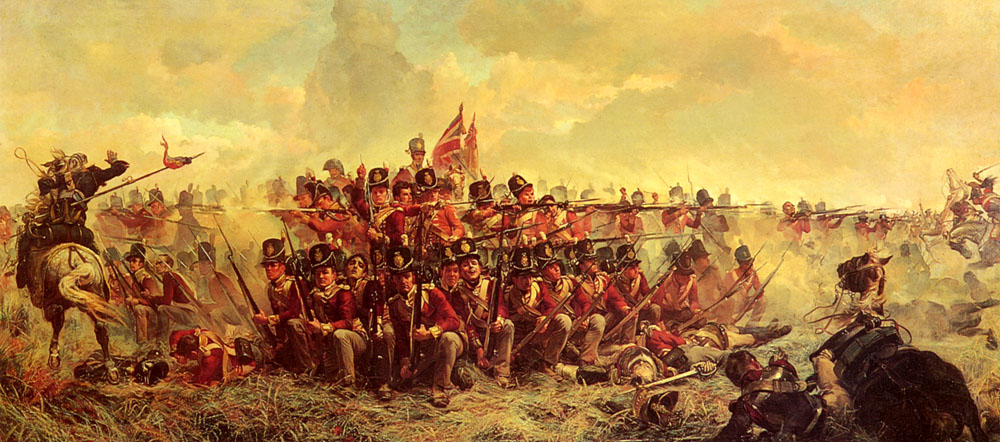
Some Allied units wavered under pressure. Cavalry broke into their lines, cutting down men. Yet British infantry formed squares, presenting bristling bayonets. Volley fire poured into charging horsemen. Horses fell, and riders tumbled. Still, the French returned again and again.
Wellington’s line bent but held. The crossroads remained under Allied control, though only barely. Losses were heavy, and fatigue spread among defenders. Ney’s determination grew, convinced victory was near.
Renewed French Attacks
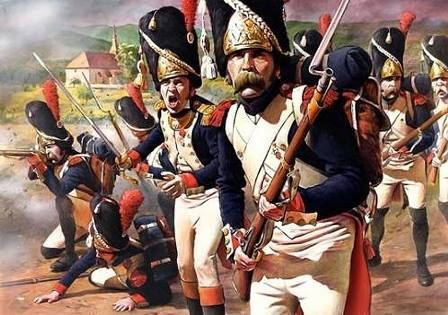
By late afternoon, Ney pressed hard again. His infantry advanced in massed columns, aiming directly at the crossroads. Cannon fire supported them, blasting gaps into the Allied line. French skirmishers slipped through hedgerows, firing at close range.
Wellington’s army was still thin. Some reinforcements were on the way but had not yet arrived. The Dutch-Belgians, Scots, and Brunswickers bore the brunt. They exchanged volley after volley, their ranks thinned by musket and cannon fire.
Despite heavy resistance, the French gained ground. The tall rye fields became killing zones, filled with smoke and fallen men. The crossroads itself remained contested, as soldiers fought yard by yard.
Cavalry Charges Intensify
Ney unleashed his cavalry once more. Cuirassiers in shining armor thundered forward, supported by Polish lancers. The ground shook with the weight of their charge.
Some Allied units faltered, but others quickly formed squares. British infantry bristled with bayonets, holding steady against horsemen. Muskets fired in disciplined volleys, tearing into charging cavalry. Horses reared and fell, riders cut down in brutal clashes.
The Brunswickers faced heavy charges. Despite fatigue and the loss of their duke, they resisted. Black uniforms stood out amid smoke, holding ground with stubborn courage. Their defense slowed the French, buying time for reinforcements.
Reinforcements Arrive
By 5 p.m., more British troops reached the battlefield. Infantry regiments marched in, their presence lifting morale. Artillery batteries deployed, firing at French formations with devastating effect.
Wellington used these fresh troops wisely. He reinforced weak points, especially near the crossroads. He ordered counterattacks to push French infantry back from key farms and hedges. Slowly, the Allied line grew stronger.
Ney recognized the change. Each new Allied arrival reduced his chance of seizing the position. Yet he still hoped to deliver a decisive blow before nightfall.
Highlanders in Action
The Highland regiments became central to the defense. The 92nd Gordon Highlanders and 42nd Black Watch fought with determination. Pipes played as they advanced through crops and smoke.
They fired volleys at close range, driving French columns back. At times, they charged with bayonets, pushing the enemy from fields and farmyards. Their discipline and ferocity unsettled French troops, who expected the Allies to break.
Scottish casualties were heavy, but their resolve inspired others. Their actions prevented Ney from capturing the crossroads during this critical phase.
The Struggle for the Crossroads
By early evening, both armies focused on the crossroads itself. French infantry surged forward again, supported by cavalry. The Allies responded with desperate resistance.
Fighting spread into farmyards, hedges, and along the main road. Musketry roared at point-blank range. Artillery fire blasted gaps into formations. Smoke covered the battlefield, making command difficult.
Wellington directed reinforcements into the struggle. His staff carried urgent orders across the field. Every available unit was thrown in to hold the position.
The French tried again and again but could not secure the crossroads. Each time, Allied counterattacks or disciplined volleys forced them back.
Evening Approaches – 6 p.m.
By 6 p.m., exhaustion gripped both armies. Casualties littered the fields, and many units were near breaking. Ney realized the Allies were receiving more reinforcements than he could match.
Still, he fought on, hoping for a breakthrough before darkness. French cavalry charges continued but grew weaker. Infantry attacks lost cohesion as fatigue set in.
Wellington’s army, though bloodied, grew stronger by the hour. More reinforcements streamed in, filling gaps and stabilizing the line. The Allies now held firm control of the crossroads.
Evening – The Last French Push
As the evening shadows lengthened, Ney made one more effort. He knew time was slipping away. If he could not take Quatre Bras before nightfall, the chance would be gone.
French infantry advanced again in determined waves. Cavalry squadrons moved beside them, hoping to exploit a breakthrough. Artillery fired continuously, pounding the crossroads and the Allied lines.
The fighting was savage. Allied infantry fired volley after volley, while cavalry clashed in desperate charges. The rye fields were trampled flat, littered with casualties.
For a moment, Ney’s attack threatened to succeed. French troops drove into the Allied center. They reached farm enclosures and pushed defenders back. But Wellington reacted quickly. He brought reinforcements into the fight, plugging the gaps.
The Highland regiments counterattacked, their bayonets flashing in the fading light. Brunswickers and Dutch troops joined the effort. Together, they pushed the French back from the crossroads.
Allied Strength Increases
By 7 p.m., Wellington’s reinforcements arrived in strength. British infantry brigades filed into line. More artillery was positioned to sweep the fields with deadly fire.
Ney now faced a growing problem. His men were exhausted and bloodied. Ammunition was running low, and casualties mounted. His cavalry charges had achieved little. Worse, he lacked reserves to sustain pressure.
Still, Ney refused to withdraw. He hoped that one more push might force Wellington off the crossroads. He ordered repeated attacks, but each effort faltered. Allied volleys shattered French formations. Counterattacks reclaimed lost ground.
The momentum of the battle shifted firmly to the Allies. Ney’s earlier opportunity had slipped away.
Dusk – 8 p.m.
As dusk settled, the battlefield grew even more chaotic. Smoke and dust thickened, and visibility dropped sharply. Officers struggled to keep control. Confusion spread among both sides.
French cavalry attempted final charges, but darkness made coordination difficult. They rode into musket fire and countercharges. Many units pulled back, unable to continue.
Wellington’s army held firm. The crossroads remained secure, and reinforcements continued to strengthen his position. The balance was no longer in doubt. Ney could not capture Quatre Bras.
Nightfall and Withdrawal
By 9 p.m., the fighting slowed and finally ceased. Darkness covered the battlefield. Both sides withdrew slightly to regroup.
Ney’s forces were exhausted. He had failed to take Quatre Bras. His men fell back toward Frasnes, holding positions south of the field.
Wellington’s army remained in control of the crossroads. He had held despite heavy losses. His men camped in the fields, surrounded by smoke, wounded, and wreckage.
The Aftermath
The cost of Quatre Bras was high. Wellington’s Allied army lost over 4,800 men. The French suffered about 4,000 casualties. The battlefield was littered with dead and wounded, the crops trampled and burned.
The death of the Duke of Brunswick was a severe blow. His men mourned but had fought bravely in his name. Scottish regiments also suffered heavy losses, their sacrifices critical to holding the line.
Strategically, Quatre Bras was vital. By holding the crossroads, Wellington maintained his link with Blücher’s Prussians. Though Blücher had been defeated the same day at Ligny, his army retreated northward rather than east. This allowed Wellington and Blücher to unite two days later at Waterloo.
Historical Significance
Quatre Bras was not as famous as Waterloo, but it was essential. Ney failed to seize the crossroads, and Napoleon’s larger plan unraveled. The French could not separate the Allied armies.
Wellington’s defense showed his skill and calm leadership. He arrived late but steadied the fight, reinforcing at the right moments. His army, though mixed in quality, held firm under immense pressure.
Ney’s performance was aggressive but flawed. He delayed his attack in the morning, losing valuable time. Once engaged, he threw in his troops piecemeal. He lacked coordination with Napoleon and never concentrated overwhelming force.
The battle revealed the resilience of the Allied army. Dutch, Belgian, Brunswick, and British troops fought together under fire. Their stubborn defense ensured Napoleon faced both Wellington and Blücher at Waterloo.
Conclusion
The Battle of Quatre Bras was fierce, confused, and costly. It showed both the strengths and weaknesses of commanders and troops.
The Allies held because reinforcements arrived steadily and fought with determination. The French failed because Ney hesitated, then attacked without coordination.
Although overshadowed by Waterloo, Quatre Bras shaped the campaign. By holding the crossroads, Wellington preserved his ability to join with Blücher. Together, they would face Napoleon two days later in the final, decisive clash.
If you enjoy history and Military miniatures, make sure to check out my youtube channel. Its full of unboxings and the history connected to the miniatures!