The Battle of Bloody Gulch: Courage and Counterattack in Normandy
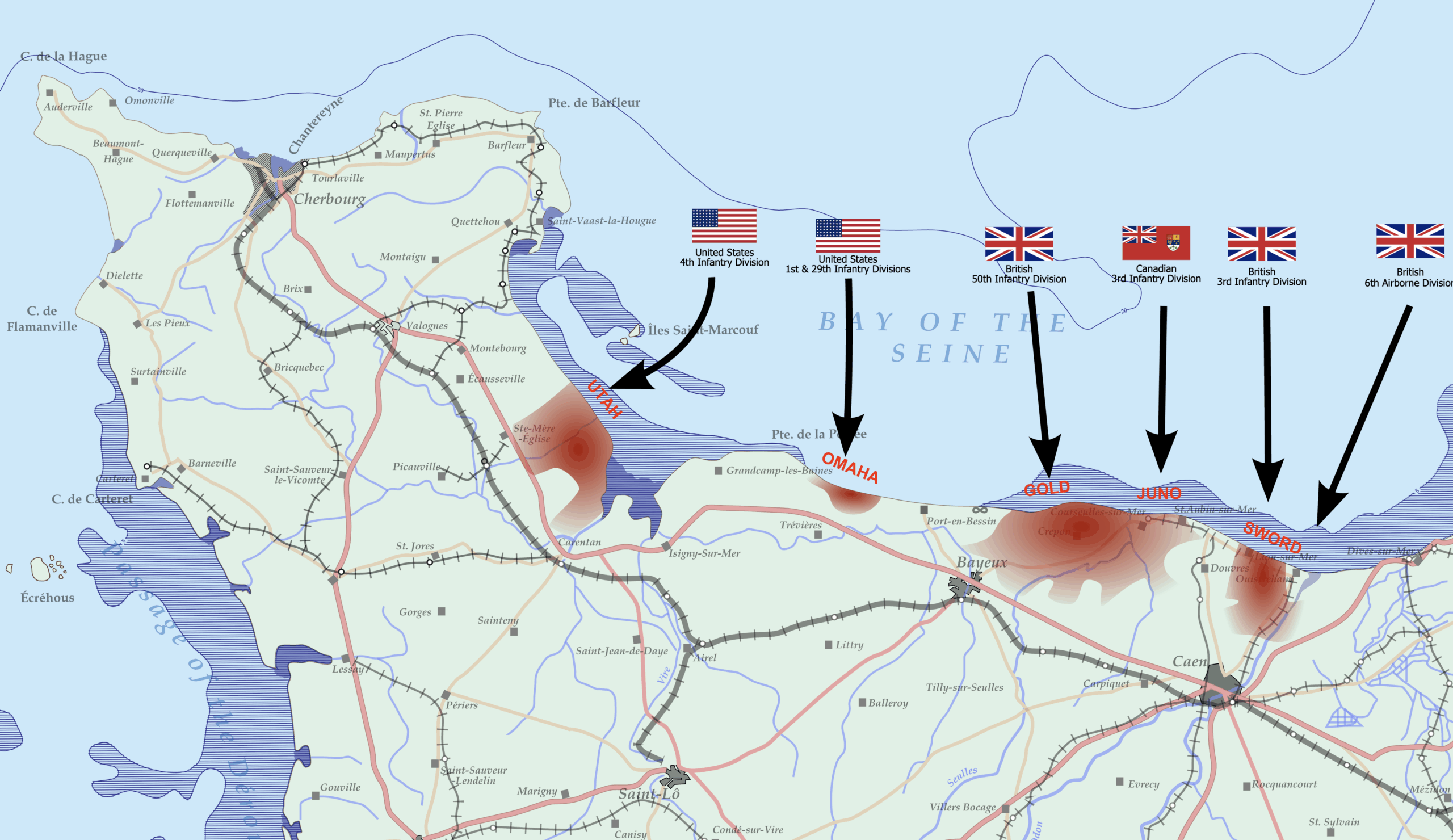
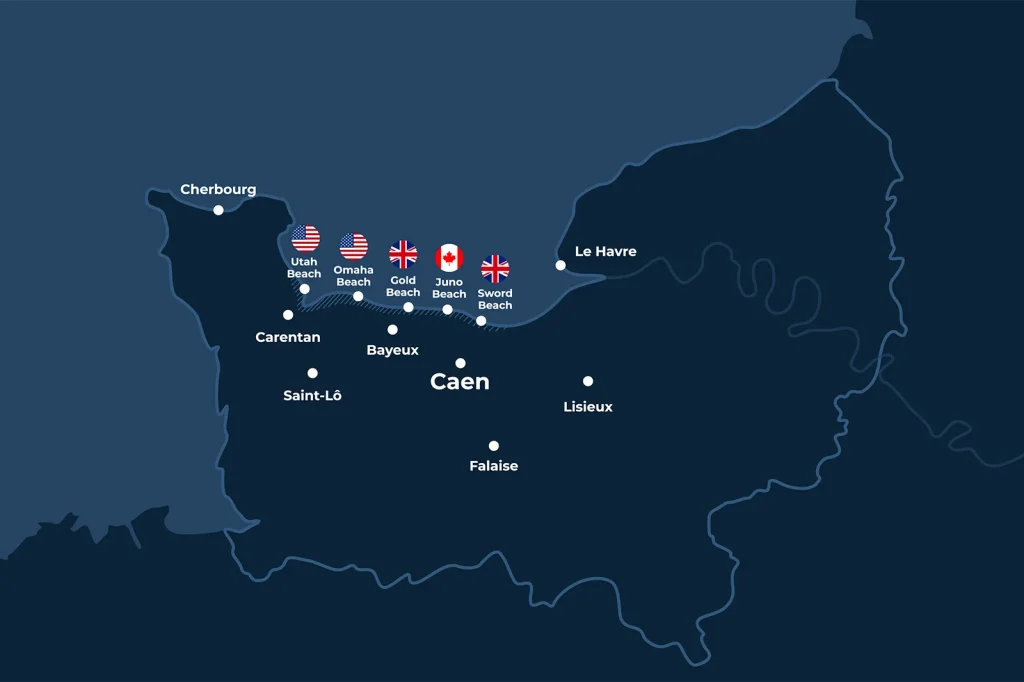
The Battle of Bloody Gulch was a desperate and decisive clash fought near Carentan, France, on June 13, 1944. Coming just a week after the D-Day landings, it played a key role in linking the American beachheads of Utah and Omaha. Without this connection, the Allied invasion could have faltered before gaining momentum.
In this report, we will follow the events step by step. Each section moves chronologically, breaking down how the battle unfolded, why it mattered, and how it shaped the Normandy campaign.
Setting the Stage: Normandy After D-Day
When Allied forces stormed the beaches on June 6, 1944, the invasion of France was underway. Utah Beach lay to the west, Omaha Beach to the east. Between them stretched flooded marshes, fields, and a small but vital town—Carentan.
Carentan’s location was critical. It sat at the crossroads of several highways and controlled the causeways linking the beaches. If the Germans held it, they could keep American forces separated. If the Allies captured it, they would create a continuous front, easier to defend and expand.
The 101st Airborne Division, famous as the “Screaming Eagles,” was tasked with capturing Carentan. Many of its men had already parachuted into Normandy on D-Day, scattering across hedgerows and marshes under heavy fire. Despite confusion and losses, the paratroopers regrouped and began moving toward their objective.
The Struggle for Carentan
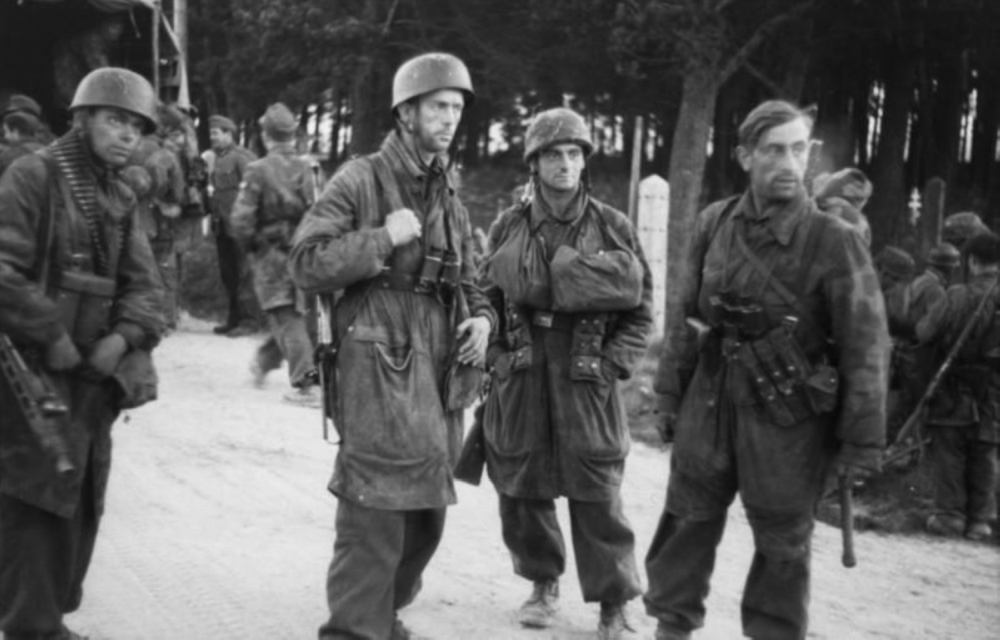
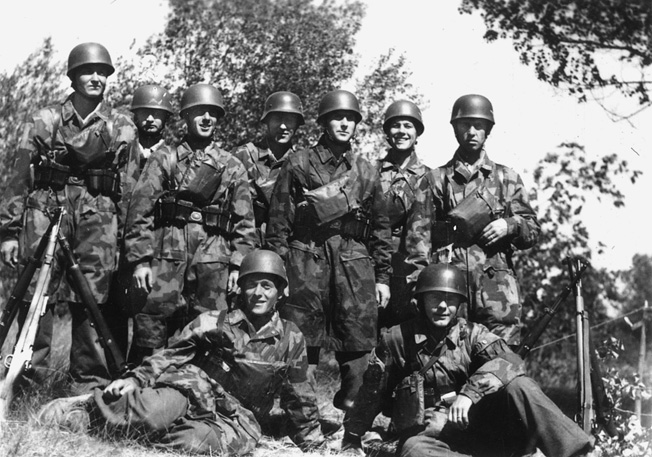
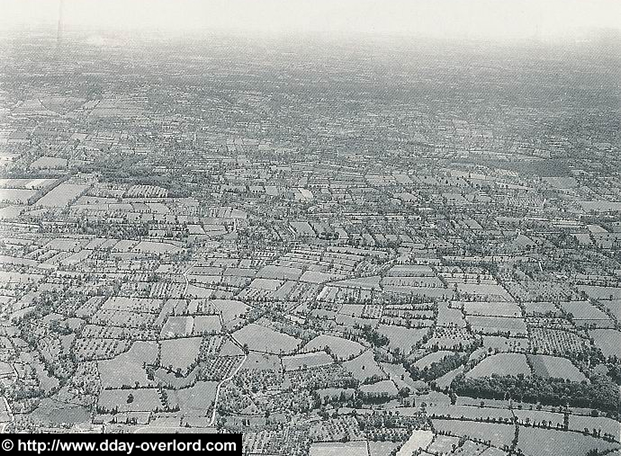
From June 10 to June 12, the paratroopers advanced through fields lined with hedgerows, each acting like a natural fortress. The Germans, particularly paratroopers of Fallschirmjäger units, defended every lane and ditch with machine guns and mortars.
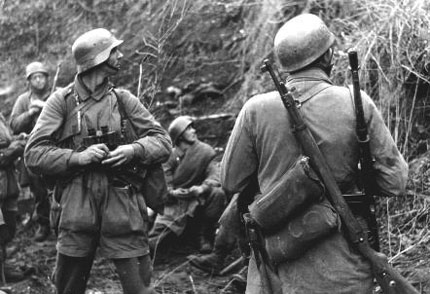
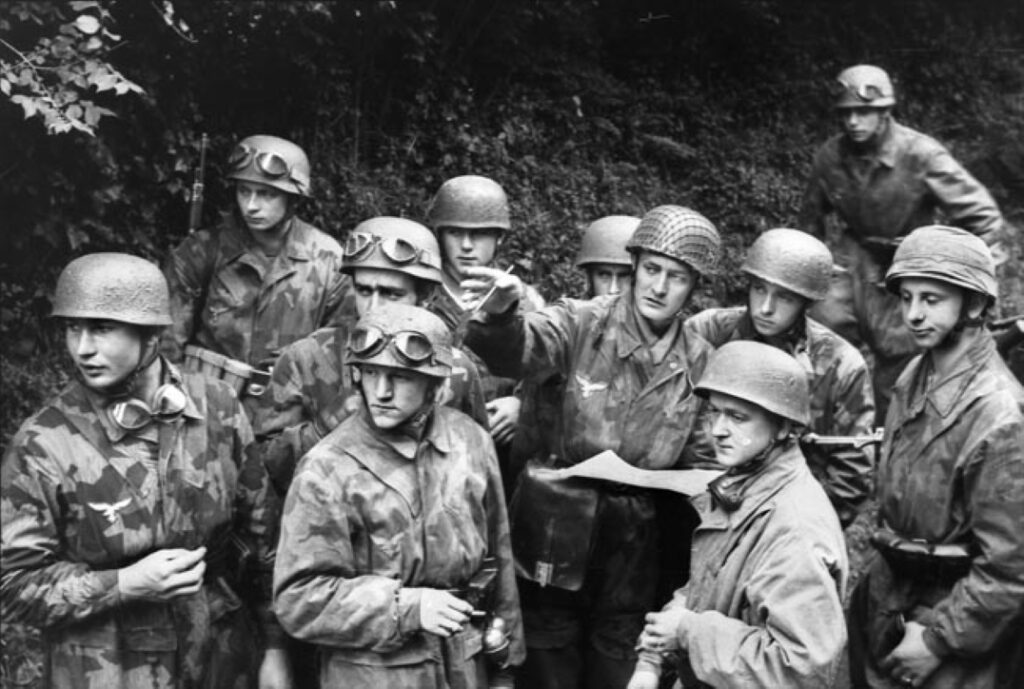
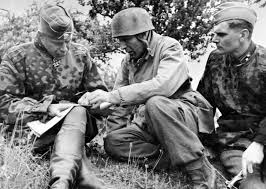
The 101st fought yard by yard. The flooded Douve River valley slowed their progress, and German snipers made every crossing perilous. Yet the airborne troops pressed forward, driven by the urgency of their mission.
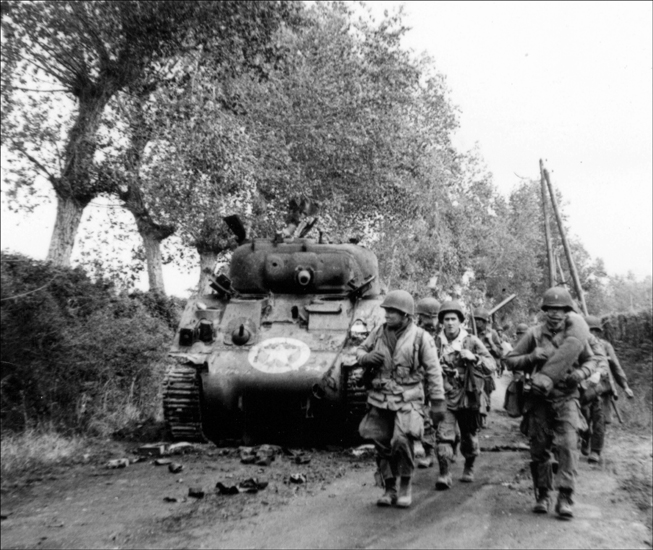
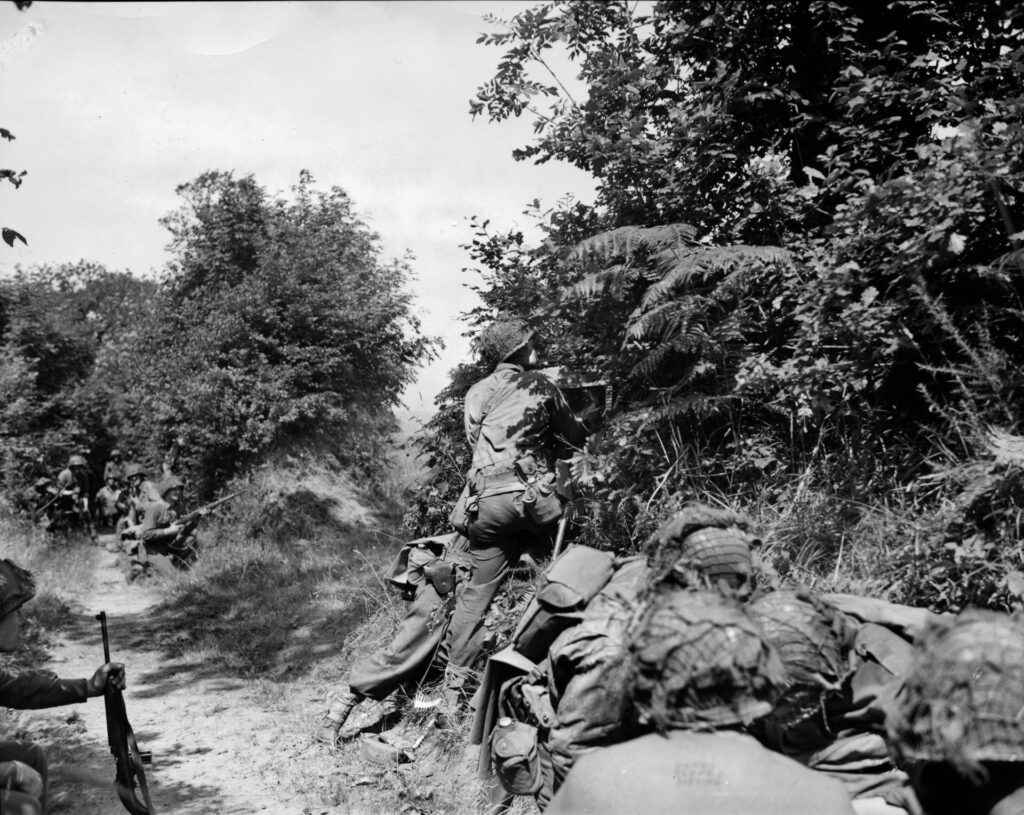
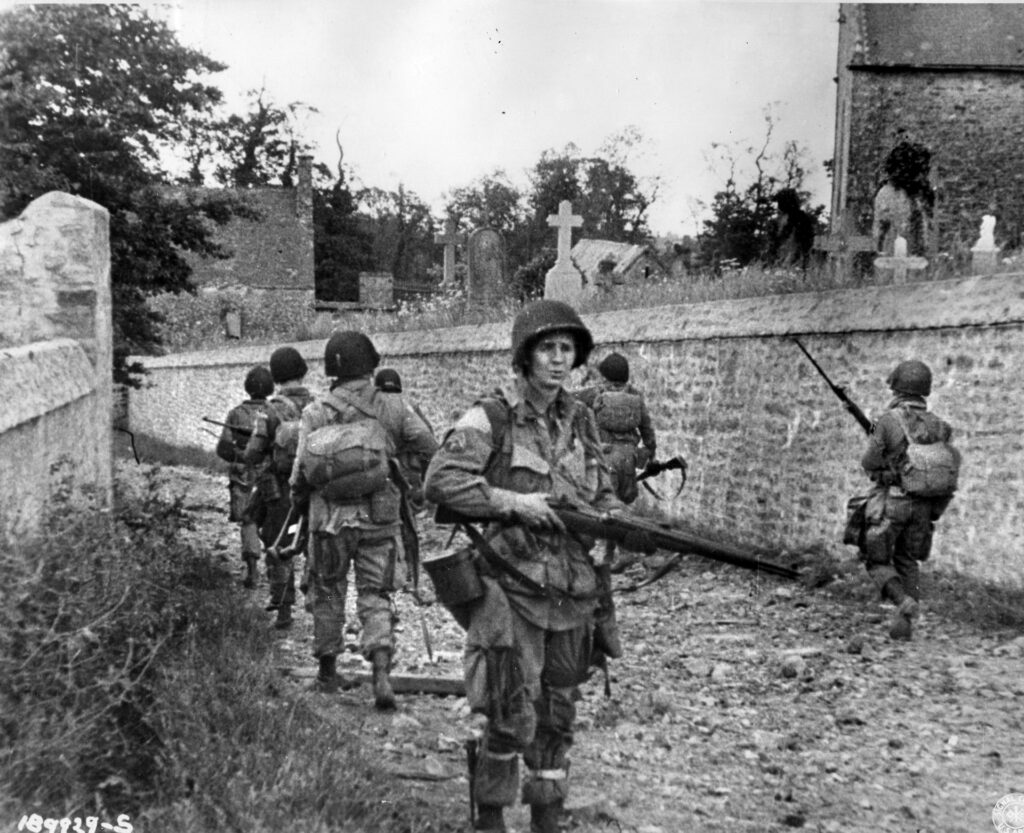
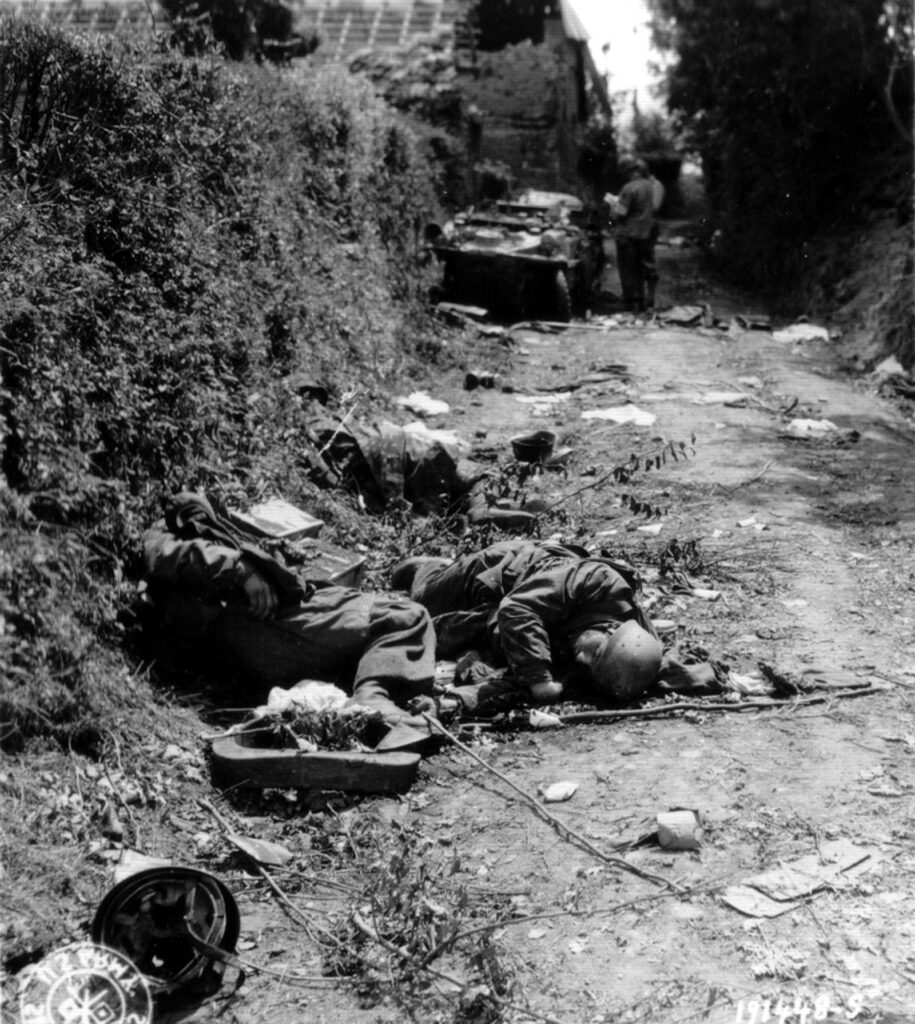
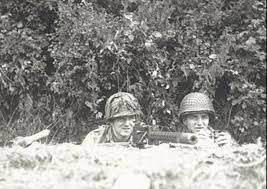
On June 12, after bitter fighting, the Americans entered Carentan itself. House-to-house combat erupted as German defenders refused to give up the town without a fight. Grenades, rifles, and even bayonets came into play as both sides battled for control of narrow streets.
By evening, the Germans withdrew. Carentan belonged to the Americans—but the fight was far from over.
The German Counterattack Begins
Early on June 13, the Germans struck back. Their goal was simple yet dangerous: retake Carentan and drive the Americans back toward the beaches.
The counterattack was led by the 17th SS Panzergrenadier Division “Götz von Berlichingen,” reinforced by tanks from the 6th Fallschirmjäger Regiment. They brought infantry, armor, and artillery. It was a powerful force, far more than the exhausted paratroopers in Carentan could withstand on their own.
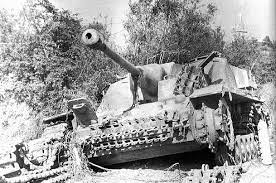
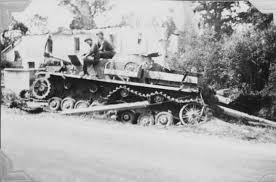
The attack came from the southwest, along a road bordered by sunken lanes and hedgerows. The ground funneled both sides into deadly close-range fighting. This area would later earn its grim nickname: Bloody Gulch.
The Screaming Eagles Under Fire
The paratroopers of the 101st Airborne dug in along the hedgerows, preparing to face the oncoming assault. Many were low on ammunition, food, and sleep after days of nonstop combat. Still, they held their positions.
When German tanks and infantry advanced, the Americans opened fire with rifles, machine guns, and bazookas. The bazooka teams, often operating in pairs, darted from cover to take shots at enemy armor. Yet the Panzer IV tanks were heavily armored, and many shots bounced off or missed entirely.
The German infantry pressed forward relentlessly, supported by mortars and machine guns. Soon, the Americans were locked in close combat. Some hedgerows changed hands multiple times in the span of hours. The air was filled with smoke, dust, and the crack of rifle fire.
The 506th Parachute Infantry Regiment: Holding the Line
Among the paratroopers engaged at Bloody Gulch, the 506th Parachute Infantry Regiment of the 101st Airborne played a central role. Having already endured fierce combat since their drop on D-Day, these men were stretched thin, yet they stood firm against the German counterattack.
The 506th occupied critical positions along the hedgerows southwest of Carentan. Their mission was to block the advance of the German 17th SS Panzergrenadier Division. When enemy tanks and infantry began pushing forward, the 506th bore the brunt of the assault.
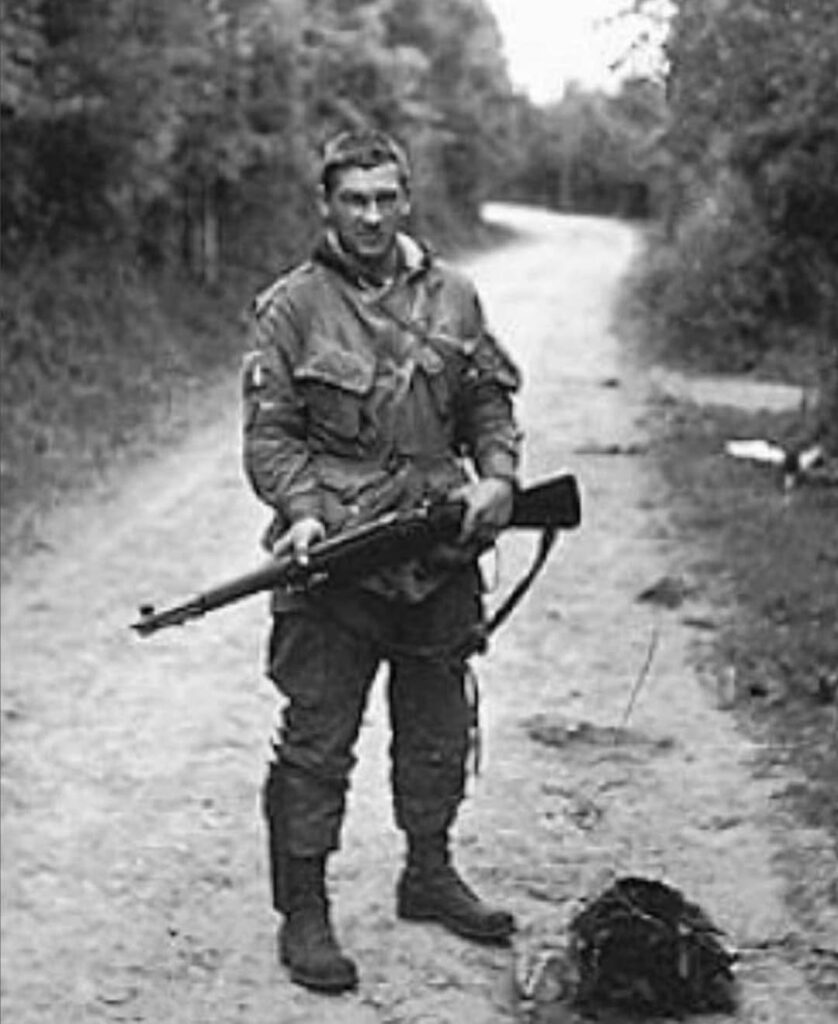
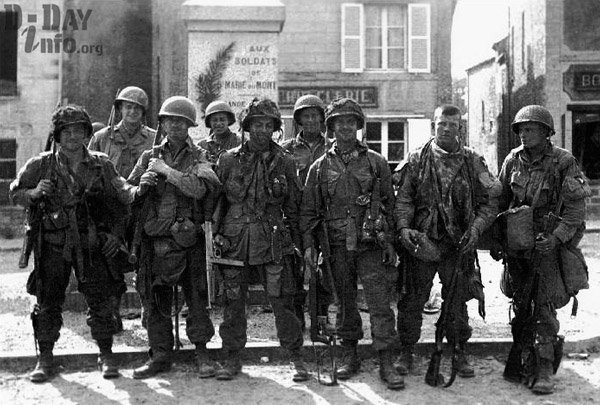
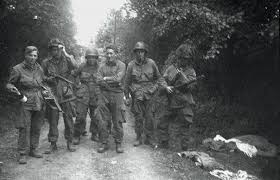
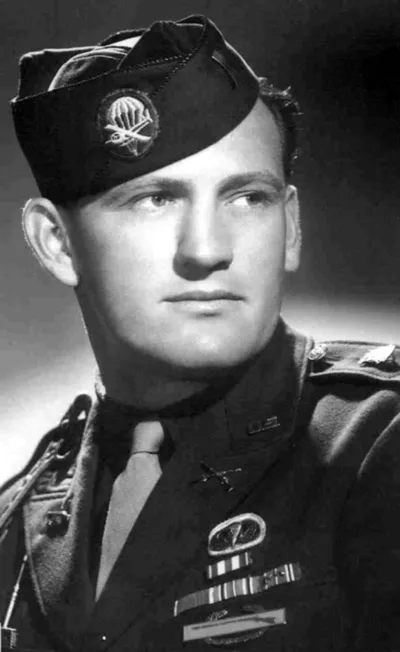
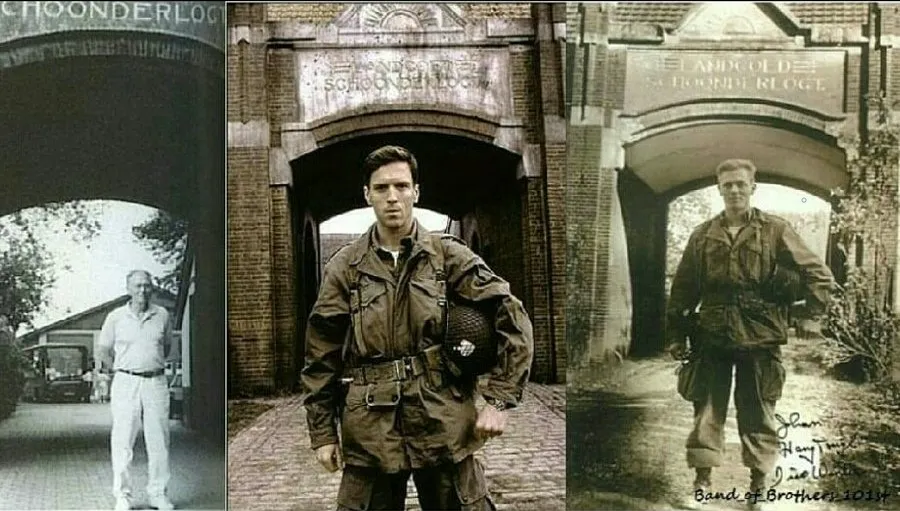
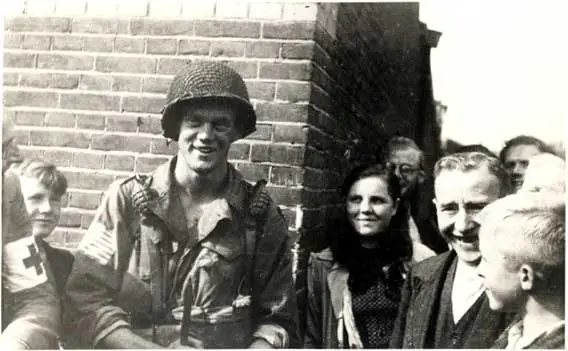
The regiment’s training and cohesion showed through in those hours of chaos. Small units acted independently, maneuvering through hedgerows to fire bazookas, lay ambushes, and harass advancing Germans. Though outgunned, the 506th slowed the enemy with grit and resourcefulness.
Easy Company Timeline: June 6–13, 1944
June 6: The Jump into Normandy
Easy Company parachuted into Normandy during the early hours of D-Day. Like many airborne units, they landed scattered and disorganized. Some soldiers lost equipment in flooded marshes, others dropped far from their intended zones. Despite the chaos, small groups regrouped and began striking German positions, disrupting communications, and holding key causeways leading inland from Utah Beach.
June 7–11: Fighting Through the Bocage
In the days that followed, Easy Company fought through the infamous bocage country—hedgerows that turned every field into a fortified position. They engaged German paratroopers and rear guards in close, brutal skirmishes. Progress was slow, and losses were heavy. Still, they advanced toward Carentan, their ultimate objective.
June 12: The Capture of Carentan
On June 12, Easy Company participated in the final push into Carentan. Street fighting raged through the town as paratroopers cleared buildings and alleys. By evening, Carentan was in American hands, but the victory came at a steep price. Exhausted and depleted, Easy Company knew a counterattack was likely.
June 13: The Battle of Bloody Gulch
At dawn the next morning, the German counterattack slammed into the American lines. Easy Company’s position put them directly in the path of advancing Panzergrenadiers and tanks. They fought tenaciously from hedgerows, firing bazookas, rifles, and captured Panzerfausts at oncoming armor.
Despite mounting pressure, Easy Company held long enough for Sherman tanks of the 2nd Armored Division to arrive. Their courage and resilience helped stabilize the defense and ensure Carentan stayed in American hands.
Legacy of Easy Company at Carentan
The stand of Easy Company at Bloody Gulch became one of their defining moments. They had jumped into Normandy as a scattered force, fought their way through hedgerows, helped capture Carentan, and then survived one of the fiercest counterattacks of the campaign.
In later decades, their actions at Carentan gained worldwide recognition through Stephen Ambrose’s Band of Brothers and the acclaimed HBO miniseries. For collectors and enthusiasts, recreating their stand with miniatures captures not only the battle itself but also the determination of a company that embodied the spirit of the 101st Airborne.
The Turning Point: Holding the Line
By mid-morning, the situation looked grim. Reports later described the 101st as being on the verge of collapse. German tanks had broken through several positions, and pockets of paratroopers were fighting desperately to avoid being overrun.
Yet the Americans held on. In one account, paratroopers used captured German weapons when their own ammunition ran low. Others improvised roadblocks from debris, forcing tanks to slow down and exposing them to bazooka fire.
What kept the line from breaking was the paratroopers’ discipline and sheer determination. Every hedgerow became a fortress. Every delay bought precious time.
Reinforcements Arrive
At the critical moment, American reinforcements began to arrive. The 2nd Armored Division, supported by elements of the 29th Infantry Division, moved in from the north. Sherman tanks, half-tracks, and fresh infantry poured into the fight.
The clash turned immediately. Shermans engaged German Panzers, blasting them with 75mm shells. Infantry units pressed forward, clearing hedgerows and supporting the exhausted paratroopers. The balance of power shifted rapidly.
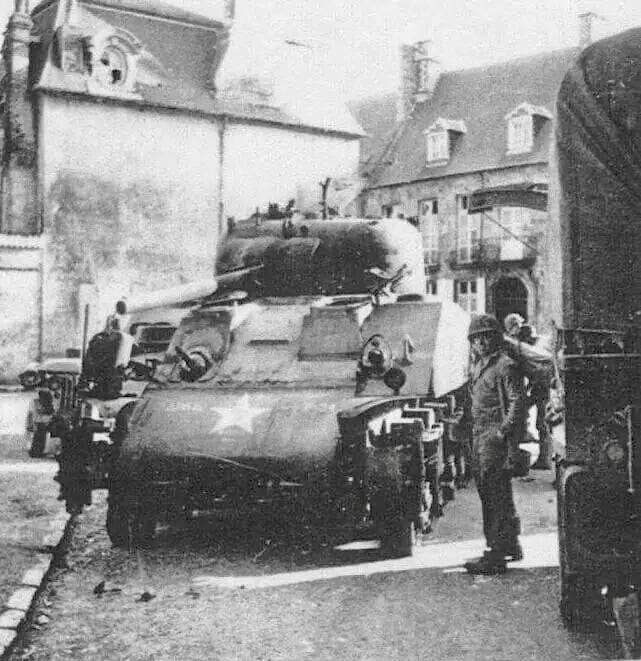
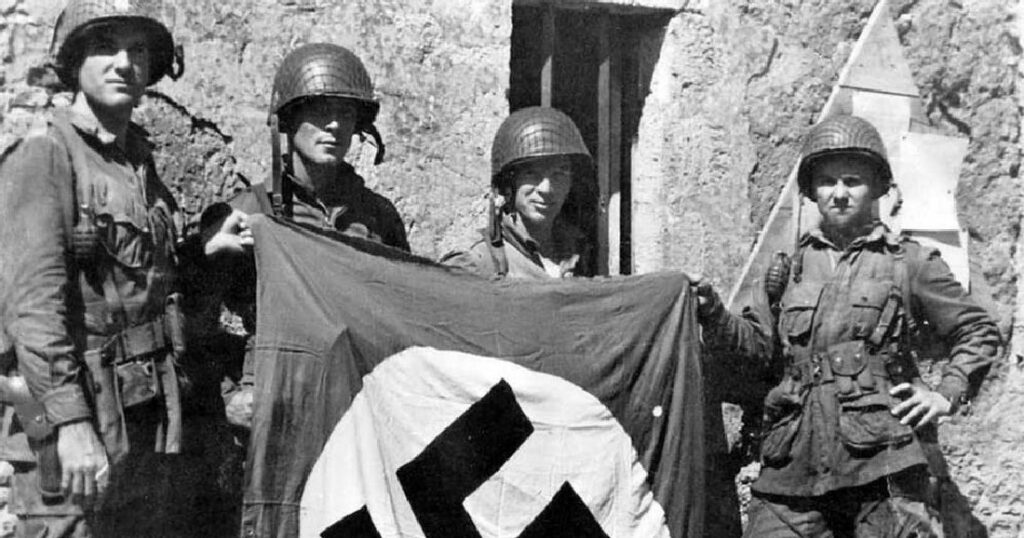
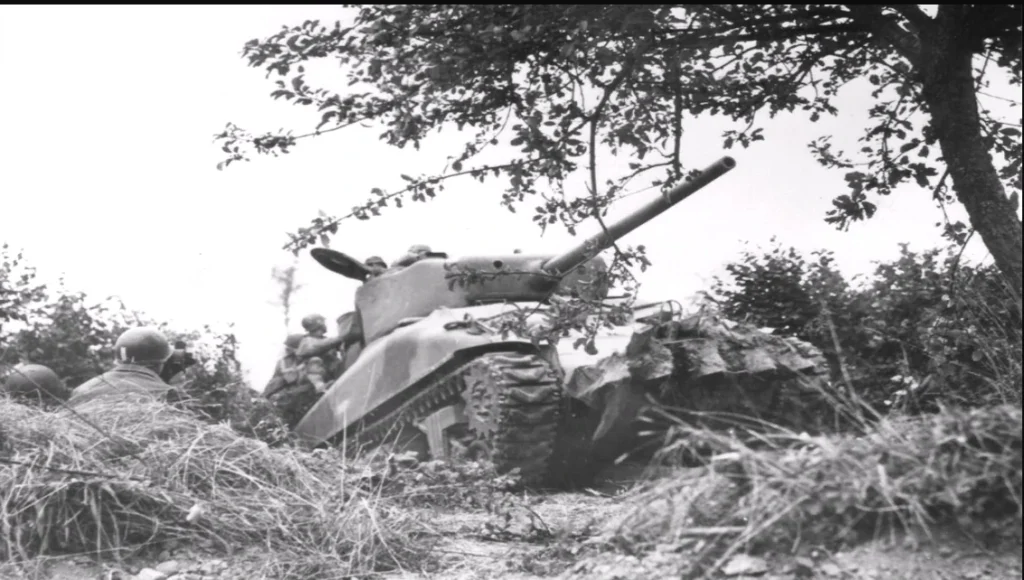
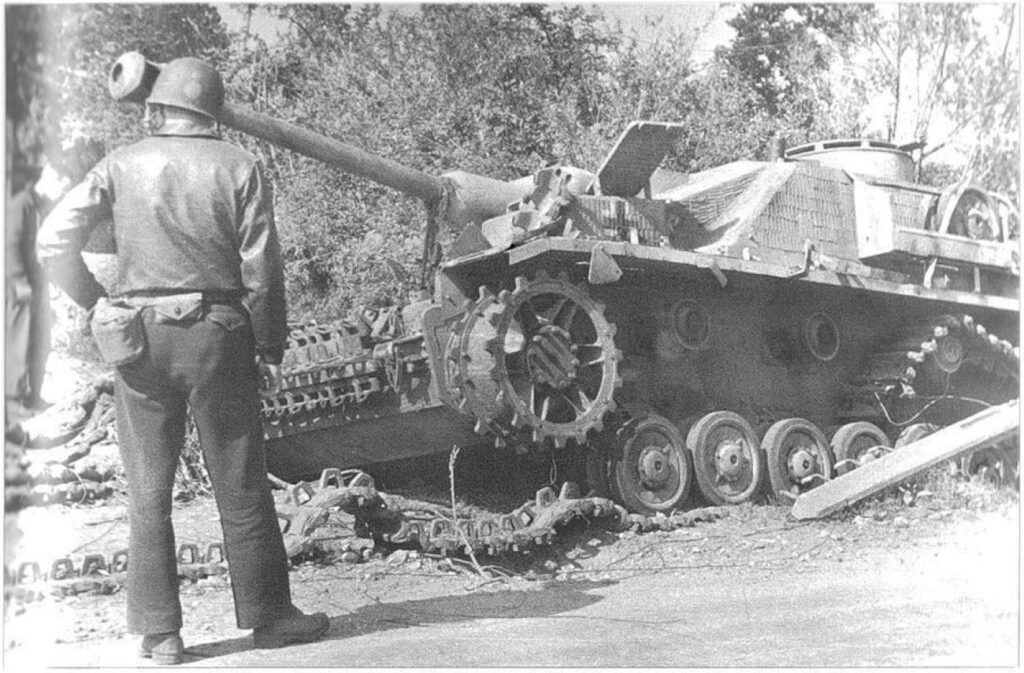
German units, caught off guard by the sudden arrival of armor, began to falter. Tanks were knocked out. Panzergrenadiers found themselves under heavy artillery and machine-gun fire. The offensive stalled, and retreat became the only option.
The German Withdrawal
By afternoon, the German attack had collapsed. Survivors retreated southwest, leaving behind wrecked tanks and fallen comrades. The paratroopers of the 101st, though battered and bloodied, still held Carentan.
The victory was costly. Both sides suffered heavy casualties, particularly in the hedgerows that gave the battle its name. But strategically, the result was decisive. The link between Utah and Omaha Beaches was secure.
This connection allowed Allied forces to build a continuous front line. Supplies could flow more easily, reinforcements could move more quickly, and the momentum of the invasion continued.
Aftermath and Significance
The Battle of Bloody Gulch was not the largest battle of World War II, but it carried enormous weight. If the Germans had succeeded, the Normandy invasion could have been split, weakening the Allied foothold in France.
Instead, the Americans demonstrated resilience under pressure. The combination of paratroopers’ determination and armored reinforcements proved too much for the German counterattack.
For the 101st Airborne, the fight at Carentan became another chapter in their growing legend. Their stand at Bloody Gulch showed the grit and courage that defined the division throughout the war.
Lessons from the Battle
Several lessons stand out from the Battle of Bloody Gulch.
- The importance of holding ground – Even when outnumbered, disciplined troops can delay a stronger enemy long enough for reinforcements to arrive.
- Combined arms warfare – The battle highlighted the power of combining infantry, armor, and artillery into a single coordinated force.
- The role of terrain – Hedgerows turned Normandy into a maze of mini-fortresses, shaping the way battles were fought for weeks.
- The value of resilience – Exhausted paratroopers showed how determination and cohesion could overcome fatigue and shortages.
Remembering Bloody Gulch
Today, the battlefield near Carentan is peaceful farmland. Yet the story of Bloody Gulch remains vivid in history books, veteran accounts, and reenactments.
For collectors of military miniatures, it is a scene rich with storytelling potential. Dioramas can capture the tension of paratroopers crouched behind hedgerows, tanks advancing under fire, or reinforcements arriving in the nick of time.
For history enthusiasts, it serves as a reminder of how close-run the Normandy campaign could be—and how moments of bravery shaped the liberation of Europe.
Conclusion
The Battle of Bloody Gulch was one of those critical moments where the tide could have turned either way. Thanks to the courage of American paratroopers and the timely arrival of reinforcements, it ended as an Allied victory.
The link between Utah and Omaha Beaches was secured, ensuring the success of Operation Overlord. For the men who fought there, it was a brutal test of endurance, courage, and sacrifice.
Explore the King & Country D-Day catalog for paratroopers, vehicles and support sets to include in a Normandy display.