

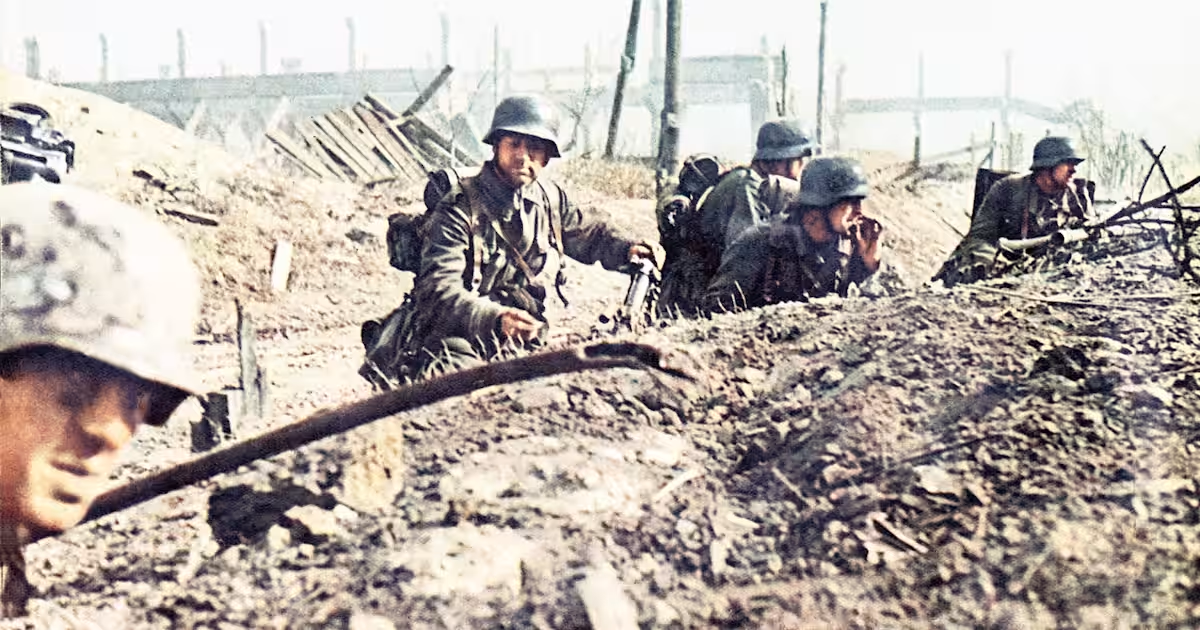
The systematic destruction of the German Sixth Army at Stalingrad, combined with Friedrich Paulus’s deteriorating leadership and refusal to defy Hitler’s orders, critically undermined the German war machine.
Introduction
The Battle for Stalingrad revealed the catastrophic unraveling of the German war machine through the systematic destruction of the Sixth Army and the deteriorating condition of its commander Friedrich Paulus. Stalingrad German Sixth Army Destruction symbolizes the moment when Hitler’s rigid directives met the harsh realities of winter, extended supply lines, and a resolute Soviet defense. Consequently, Paulus found his command collapsing under encirclement, dwindling resources, and mounting casualties. Moreover, the fall of Stalingrad not only marked one of the worst defeats for Germany but also shattered its strategic initiative on the Eastern Front.
Therefore, examining Paulus’s physical and moral decline offers insight into how this encirclement doomed Germany’s offensive posture and shifted the war’s momentum irreversibly.
Strategic Stakes and the Encirclement of the Sixth Army
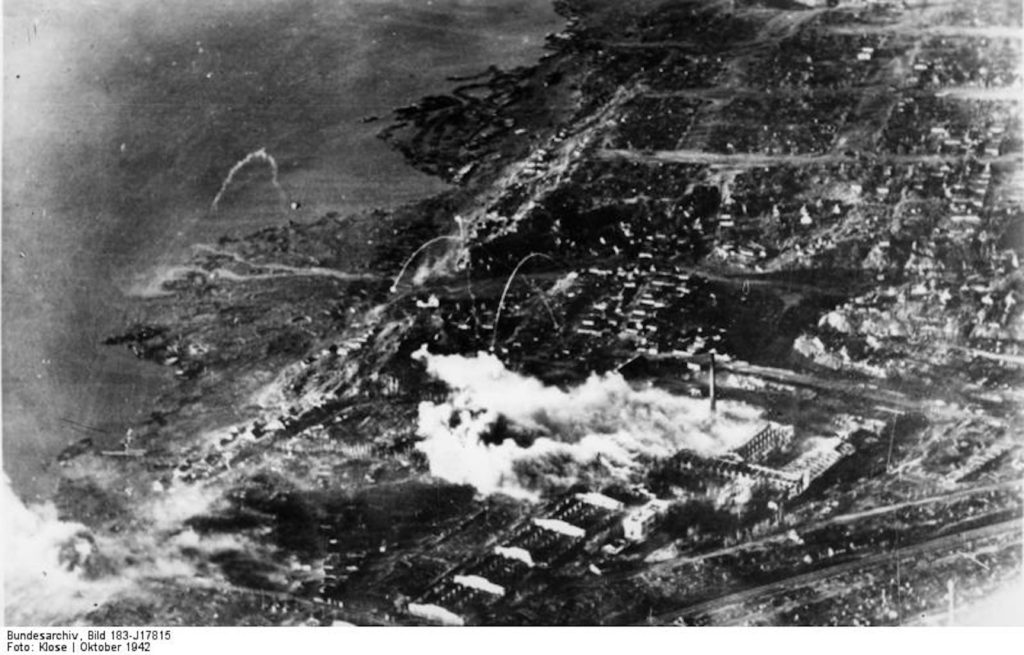
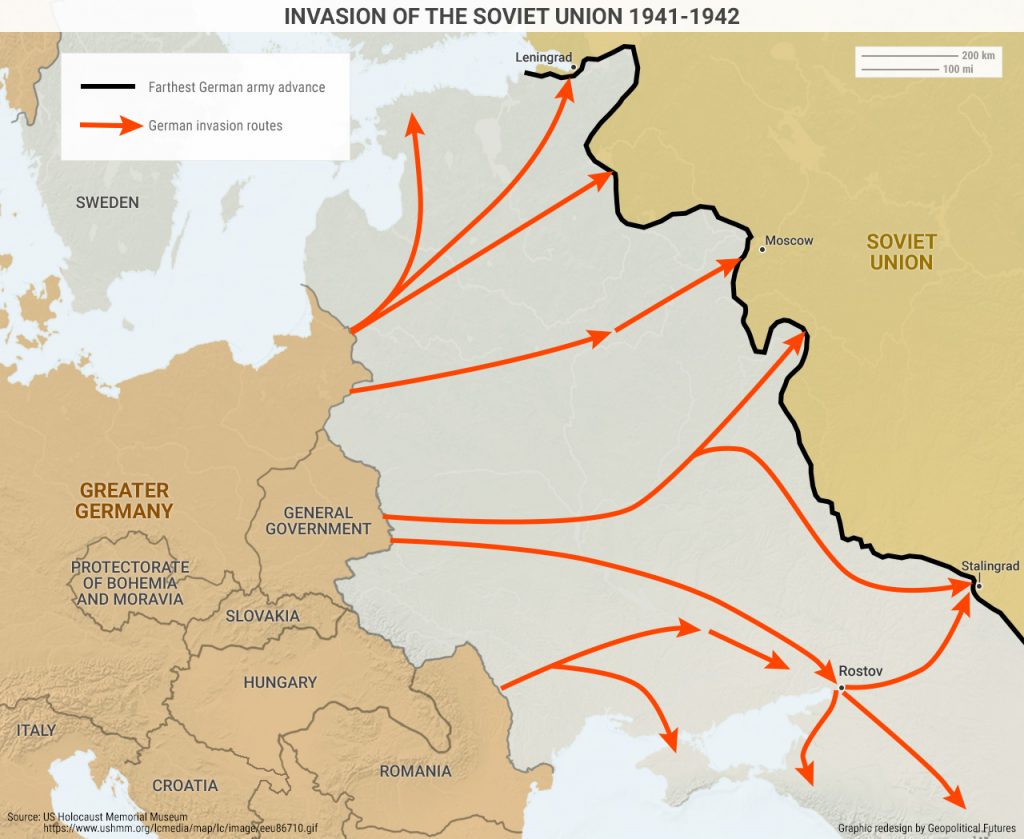
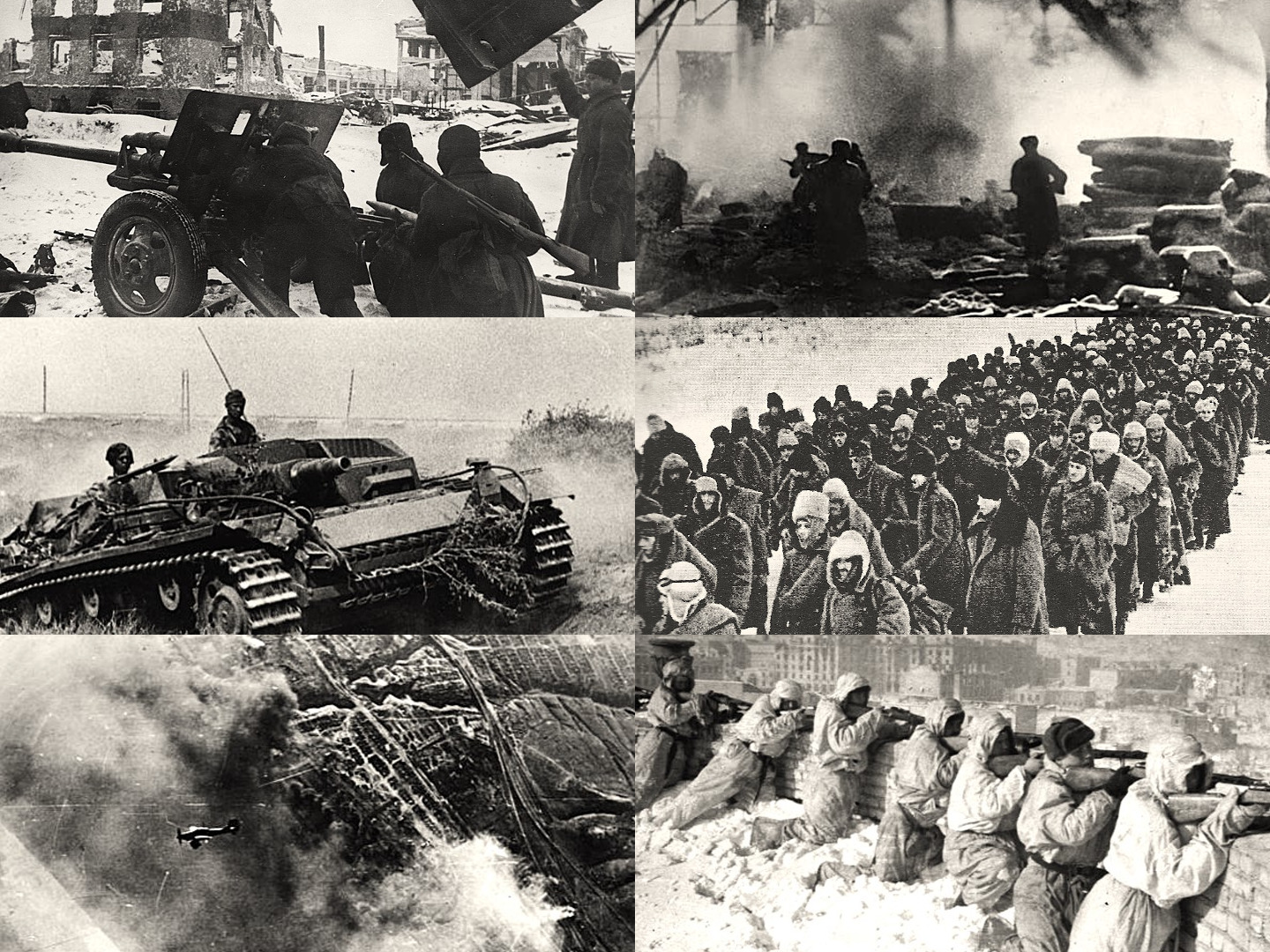
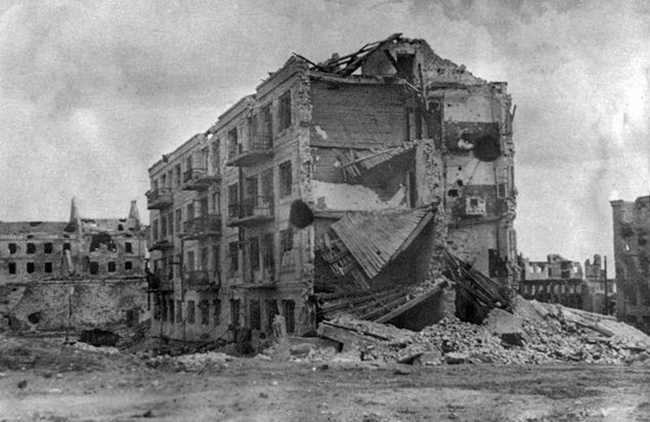
The German offensive toward Stalingrad in mid‑1942 aimed to seize the industrial city and sever Soviet transport along the Volga, while securing the flank of a deeper drive into the Caucasus. German planners considered seizing Stalingrad both economically and symbolically vital (britannica.com). However, splitting forces between Stalingrad and the Caucasus overstretched logistics, a flaw that Soviet planners exploited when launching Operation Uranus in November 1942 (britannica.com). Soviet counterattacks crushed the flanks held by Romanian, Hungarian, and Italian troops, completing the encirclement of Paulus’s Sixth Army by November 23 (britannica.com). Consequently, Stalingrad German Sixth Army Destruction began not with street fighting in the city but through operational overstretch and flanking.
Thus, the German command found itself trapped on both strategic and tactical levels. The Wehrmacht’s failure to anticipate or respond effectively to the counteroffensive sealed the fate of one of Hitler’s most experienced formations. Moreover, the encirclement underscored the deadly interplay between grand strategy and operational overreach, laying the groundwork for the systematic collapse that followed.
Paulus’s Deteriorating Condition and Command Paralysis
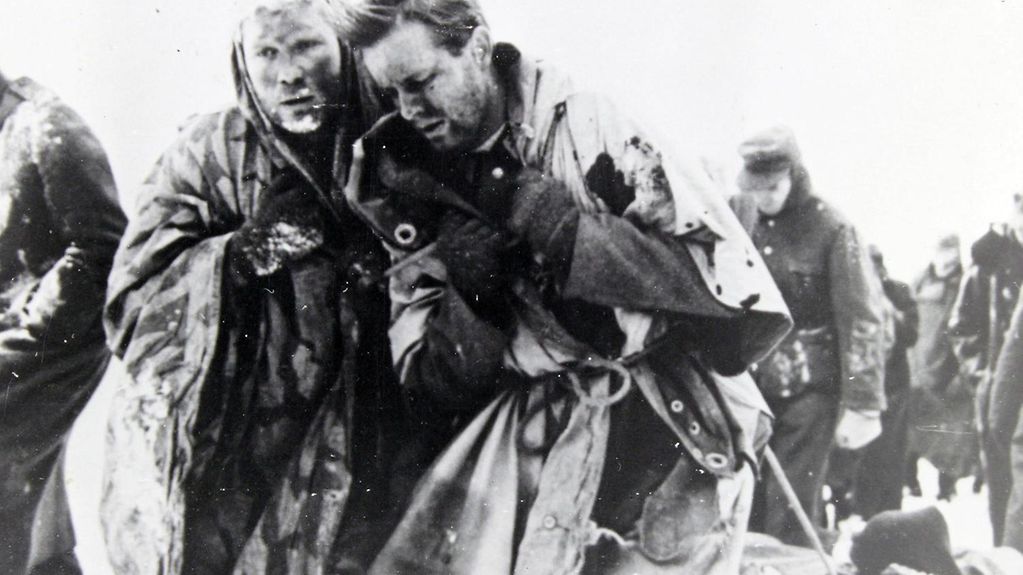
Besieged by increasingly dire conditions, Paulus’s physical and mental state deteriorated rapidly. By January 1943, air supply provided barely 120 tons per day—far below the several hundred tons needed—leaving troops freezing, starving, and succumbing to disease (worldhistory.org). Sources recount lice‑infested uniforms and troops resorting to boiling frozen horses just to survive (worldhistory.org). Meanwhile, Paulus repeatedly requested permission to surrender or break out, only to be denied by Hitler, who exhorted the Sixth Army to “hold their positions to the last man and the last round” (worldhistory.org). On January 30, Hitler promoted Paulus to field marshal—a symbolic gesture that many historians interpret as a cue to kill himself rather than surrender (worldhistory.org).
Paulus defied that implication, responding, “I’m a Christian. I refuse to commit suicide” (worldhistory.org). Nevertheless, instead of ordering a breakout, he surrendered on January 31, 1943, followed by the remaining 91,000 men on February 2 (britannica.com). This surrender marked the first time a German field marshal capitulated, signaling not only personal despair but a collapse in command authority. Consequently, Paulus’s deterioration and submissive adherence to Hitler’s directives accelerated the destruction of the Sixth Army.
Human Cost and the Systematic Destruction of German Forces
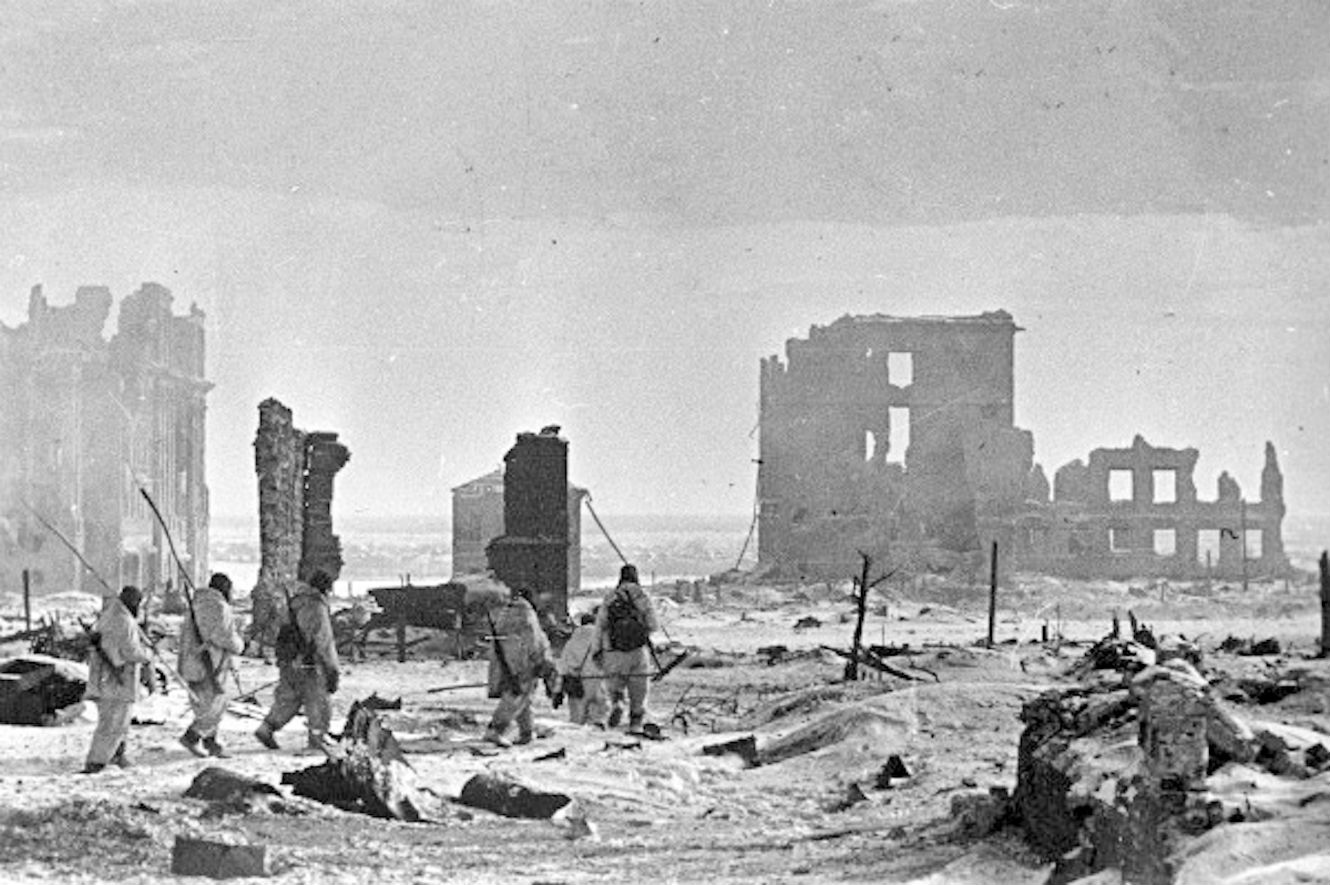
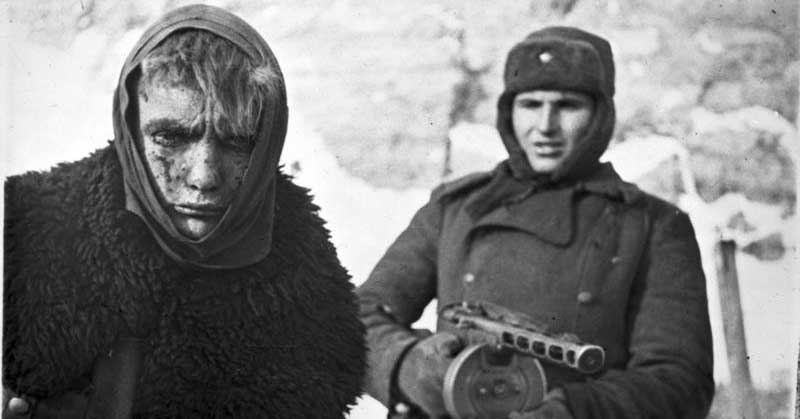
The Battle of Stalingrad inflicted devastating human losses on Germany and its allies. Axis casualties—including dead, wounded, and captured—reached between 800,000 and 1,500,000 in total (en.wikipedia.org). In particular, the Sixth Army sustained roughly 282,600 casualties from August through the battle’s end, while combined German forces endured over 300,000 losses (en.wikipedia.org). Of the 91,000 who surrendered, only about 5,000–6,000 would eventually return home (britannica.com). These staggering figures illustrate the systematic destruction not as incidental but as decisive. Moreover, the loss of experienced troops, officers, and materiel—such as tanks, artillery, and aircraft—struck the Wehrmacht’s operational capacity. For Hitler’s forces, Stalingrad ended offensive ambitions in the East and deprived Germany of a generation of trained manpower (britannica.com).
Therefore, the collapse of the Sixth Army transcended the local battlefield, resonating through Germany’s strategic capability.
Impact on the German War Machine and Strategic Initiative
The fall of Stalingrad fundamentally altered the trajectory of the Eastern Front. Strategically, it halted Germany’s eastward expansion, forced the Wehrmacht into a defensive stance, and transferred momentum firmly to the Soviets (aff4.org). Soviet morale soared, and the Red Army embarked on a series of counter-offensives that would eventually liberate Eastern Europe (aff4.org). On the German side, the cumulative loss of men and equipment proved irreplaceable, as the intensifying Allied pressure on multiple fronts drained resources further. Moreover, the debacle exposed Hitler’s flawed leadership and the peril of his rigid command style. His refusal to authorize tactical withdrawals and insistence on holding untenable positions undermined trust within the military hierarchy (iwm.org.uk).
Consequently, Stalingrad German Sixth Army Destruction symbolized the decisive shift from German initiative to Soviet dominance and the erosion of confidence in Nazi command authority.
Stalingrad German Sixth Army Destruction as Turning Point in WWII
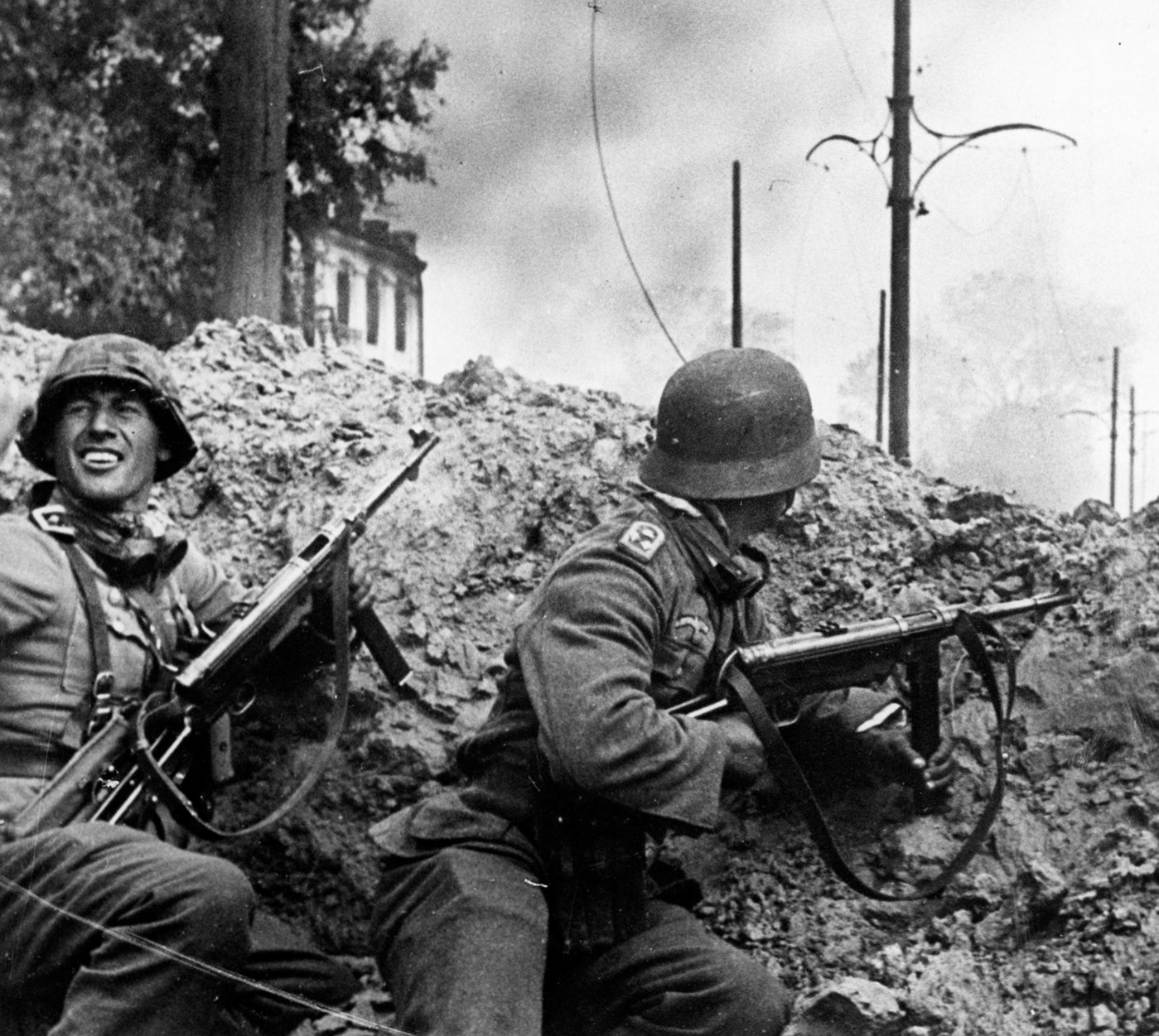
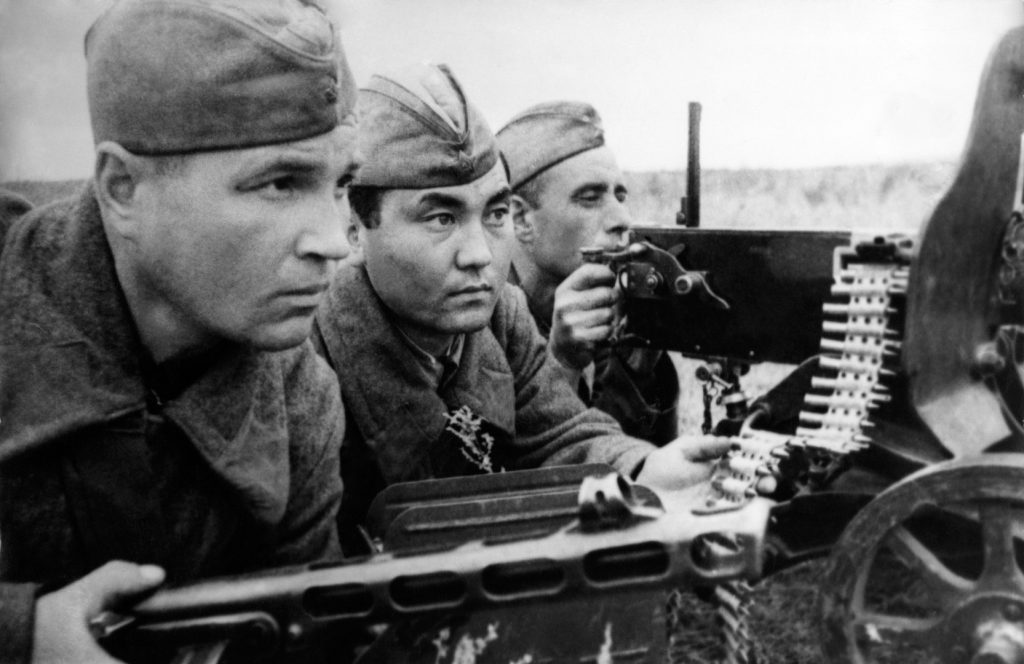
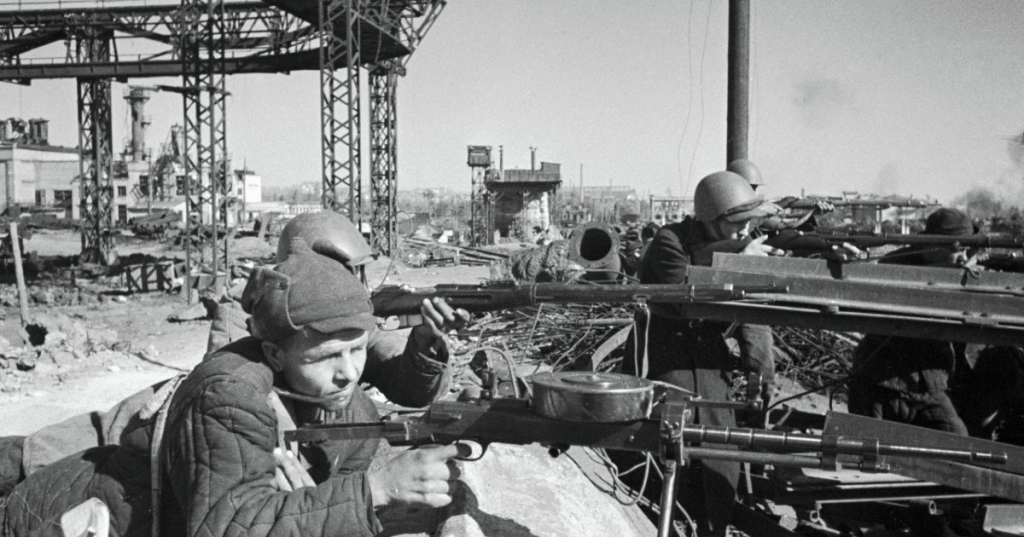
The systematic destruction of the Sixth Army at Stalingrad stands as a pivotal turning point in World War II. Not only was it Germany’s first major, decisive defeat on the Eastern Front, but it also shattered the myth of German invincibility (history.com). The loss marked the farthest advance of Hitler’s armies and signaled a strategic nadir from which Germany never recovered (britannica.com). Simultaneously, the battle showcased the Red Army’s growing professionalism, resilience, and strategic coordination. Soviet commanders like Zhukov and Vasilevsky orchestrated encirclement and relief-counter schemes that outmatched German planning (britannica.com).
Therefore, Stalingrad German Sixth Army Destruction was not merely a defeat but the hinge upon which the fate of the Eastern Front—and ultimately the war—turned irrevocably.
Conclusion
The German Sixth Army Destruction at Stalingrad illustrates how the encirclement, resource starvation, and Paulus’s faltering command irreversibly weakened Germany’s military power. The collapse of the Sixth Army, against the backdrop of Hitler’s inflexible orders and Paulus’s moral deterioration, marked the end of German offensive capability in the East. Furthermore, the psychological blow and loss of elite manpower reshaped strategic possibilities and accelerated Soviet ascendancy. Ultimately, the destruction of Paulus’s army at Stalingrad shrank Germany’s war machine from a force of expansion into one of reactive defense, sealing a pivotal shift in World War II.